Compromise: the thin band of grey in an otherwise black and white world for the sports car enthusiast. Can your coupe toodle to the shops; play the obligatory school bus every so often, and comfortably cruise to the track (and back again), and let you belt the stuffing out of it without breaking?
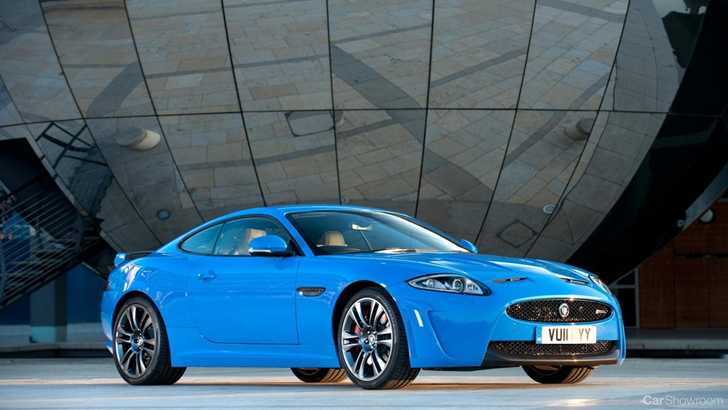
In the luxury performance car sector, this silver lining that must be reached and breached for the model to be truly successful – compromise, not compromising. Is the XKR-S one of those rare few? It most certainly is.
Jaguar XKR-S Overview
The XK coupe, released in 2006 and kick-starting the Jaguar brand’s transition from gentile into Gen-X, has evolved over time through the V8 XK and supercharged V8 XK-R to become this; a thoroughly timely yet timeless supercoupe.
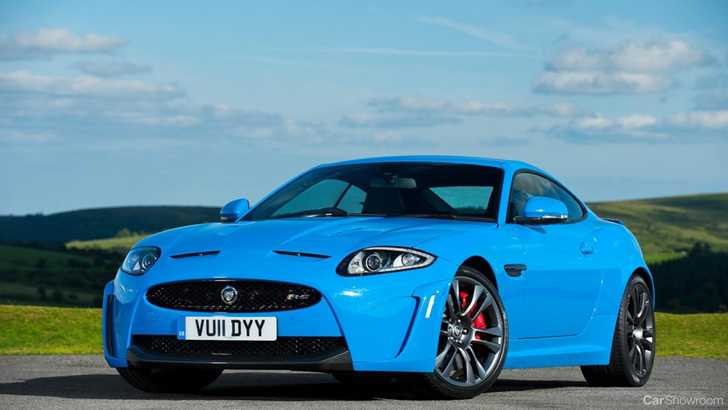
With its luxury car roots, it makes for a special GT cruising machine, that has a dark side - through the rear wheels alone, the XKR-S sprints to 100km/h from tyre-frying standstill in just 4.4 seconds, and hits 300km/h before the limiter kicks in. Wow.
Jaguar XKR-S Engine
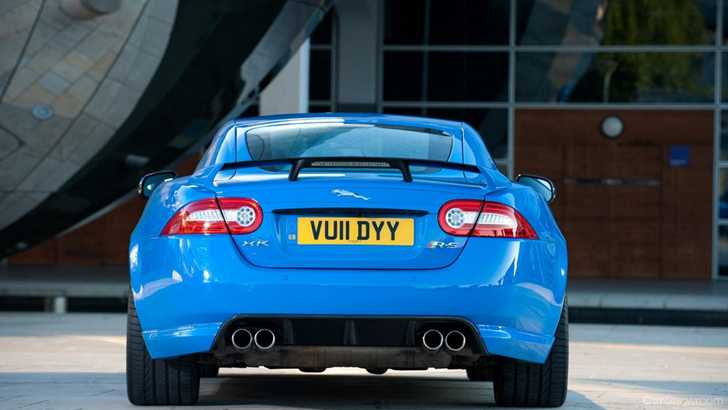
While the base architecture is all familial and familiar, Jaguar’s 5.0-litre eight cylinder has been honed, supercharged, and tweaked in the XKR-S to produce 405kW and 680Nm. More power was found through a huge dual exhaust system, with a wicked butterfly valve that opens up both physically and aurally when the engine is under full load. It’s doubtful whether one would use the stereo at all with such an orchestra at your feet.
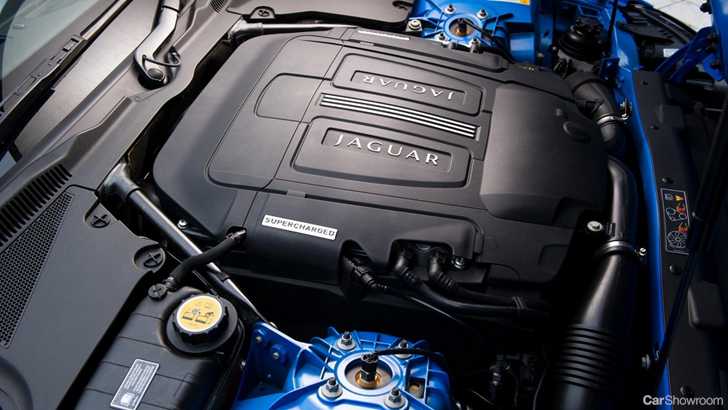
With the entire 680Nm available from 2500rpm, Jaguar has remained with the trusty ZF automatic transmission - a proven torque handler. The sports shift can be operated by wheel-mounted paddles, and the adaptive auto wakes up after cruising with ferocious shifts that can unsettle the rear end under flat-foot acceleration in the lower gears.
Jaguar XKR-S The Interior
Though the S misses out on some of the cruisier XK’s plushness, it is replaced with sporty simplicity and attention to detail.
Flat leather is lined with piping that apes the exterior paintwork, broken up with 3D carbon-woven leather panels and squint-enducing chrome.
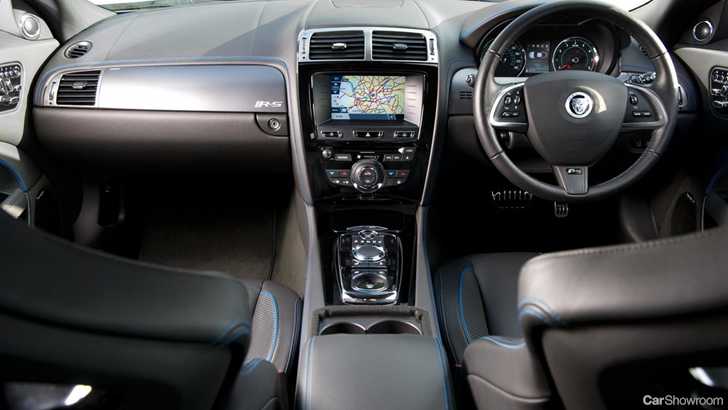
Both the front and rear seats are dishy Recaro buckets, though the second row has no real legroom in this 2+2, and are forced to sit low but upright to allow for the rear boot and rear glasshouse.
Ironically, there are IsoFix child seat anchors, and the boot itself is a surprise, offering more than ample space for a few decent sized bags on the international launch. Or, of course, a few golf clubs.
The automatic shifter is Jag’s trademark centre-mounted dial; on startup, it rises out of the dash while the air vents flick open like trumpets heralding royalty. It heightens the sense of occasion, as the engine barks into life at the same time with the menace of a junkyard dog.
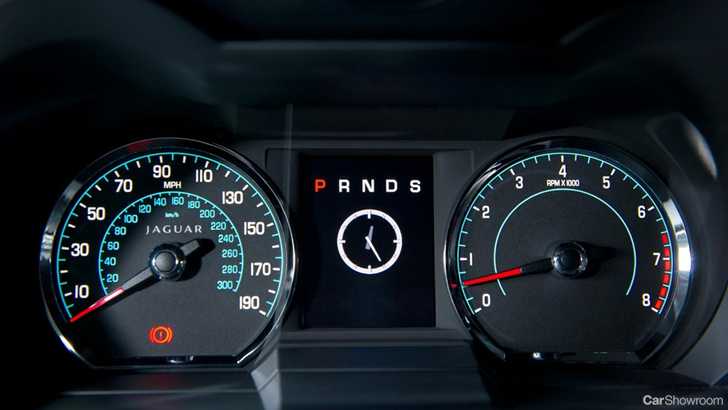
The centre touch screen also welcomes the driver before revealing a home screen with sat-nav, A/C controls, Bluetooth, reverse camera with parking guidance, and access to the 525-watt Bowers and Wilkins surround stereo.
And safety is top-notch with dual front and front side airbags, pre-tensioning seatbelts both front and rear, active front headrests, ABS, brake assist, traction control and two-step DSC stability control, and hydraulic/airbagged bonnet to cause less damage to a wayward pedestrian. Or perhaps a racetrack bollard...
Jaguar XKR-S Exterior & Styling
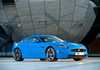
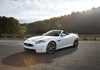
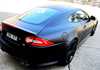
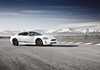
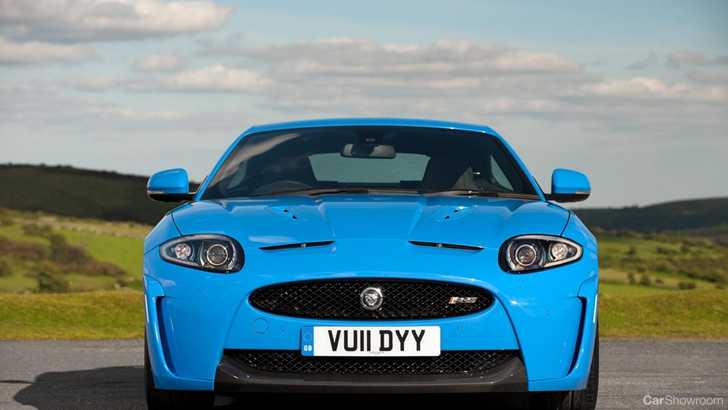
To say the XKR-S is polarizing would be an understatement, but the car is truly magnificent in the metal. Its front bumper air dam and brake ducts have drawn criticism, but in the more understated dark grey or black colour palette, you barely notice them. Lined with a carbon fibre splitter at the front and spoiler at the back, the aero mods are subtle but speak volumes of the car’s intentions. Underneath, alloy substitution including machined aluminium front uprights and dark forged rims keep the weight down (1753kg).
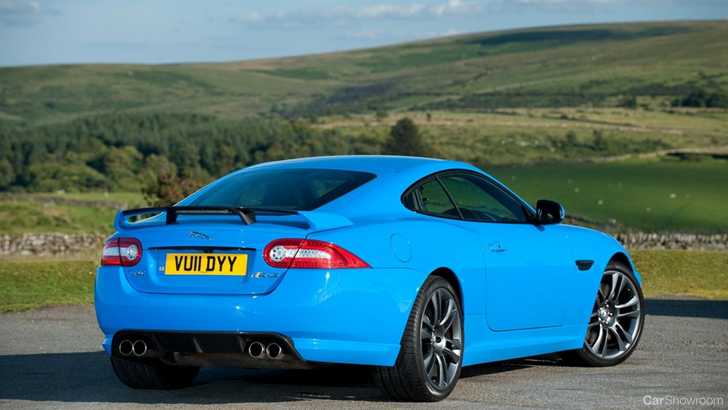
Combined with a 10mm lower suspension spring rate, the car’s drag coefficient is a breezy 0.29, and Jag claims a 26 percent reduction in lift at speed. In other words, it’s not just a pretty face.
Jaguar XKR-S On The Road
The near perfect balance between luxury coupe for the road and animal on the track has been struck full centre, mainly due to a sublime chassis and suspension combination.
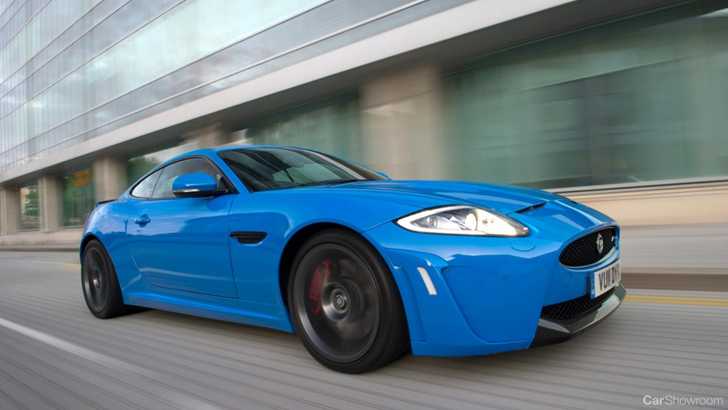
The active dampers and firmer, lower springs are supple over the rougher roads, planted in the corners, and an absolute blast on a smooth racetrack, controlled semi-electronically via the car’s stability system. Three modes: Drive, Sport and Trac, guarantee to send the car from tame, to slightly silly, to ‘you’re on your own’.
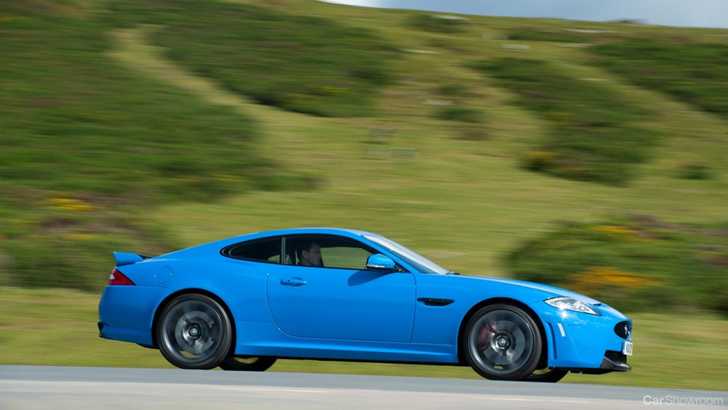
In Drive or Sport, the stability control allows a little bit of play before hauling the car back in to line, but in TracDSC mode, the electronic diff, roll bars and safety systems firm up only a smidge harder than your butt cheeks. It’s easy for the power to overwhelm the Pirellis – themselves a tarmac-grabbing 225/265 20-inch rubber - so it’s a good thing the brakes are up to the task. While only one piston on a sliding caliper, and connected to a slightly soft, uncommunicative brake pedal, the ceramic-mix pads showed no fade.
The only other criticism would be the lower gear ratios, which were a tad long for track work, but lovely on the road.
Jaguar XKR-S Challenges
Some may argue that its $340K price tag isn’t a value proposition – rather, that it’s a total rip - but other vehicles within this bracket would struggle to offer this car’s two-faced ability on both road and track.
Jaguar XKR-S Verdict
The Jaguar brand has long been associated with old-school British rolling royalty; stately, classy and couth. And when cruising in GT mode, it still personifies these traits. Yet this car has all the charm of a banshee on heat when you press its buttons, and has us beating our fists on the ground wailing like a spoilt toddler when we have to return the keys.
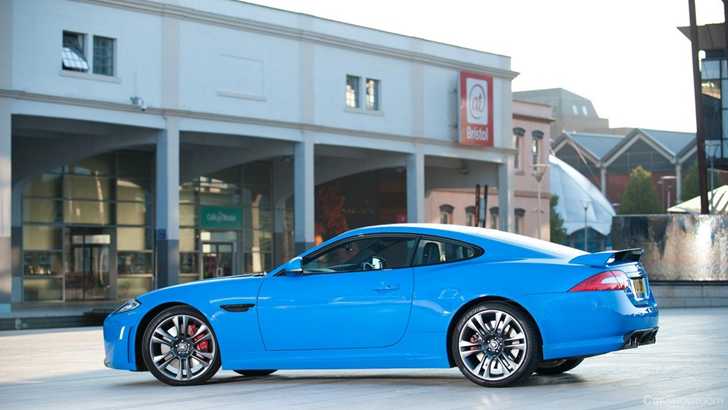
The XKR-S is the car that finally unleashes the marque from the shackles of its old image, if not entirely living up to the E-Type legend, and also manages to do what most ubercars cannot – it does everything, and well.
Jaguar XKR-S The Competition
In the $300K supercoupe bracket, the Jaguar’s rivals are few and far between. The Maserati GranTurismo S at $345,900 is its closest rival, in more than just price. Its MC Shift F1-style gearbox is straight out of the Ferrari 599, and its response is arguably more precise particularly on upshift, where the XKR-S requires a slight lift of the throttle to maintain the car’s balance on full noise. The Jag has more cred, as Maserati still lurks in Ferrari’s shadow.
Speaking of which, the 612 Scaglietti is the only really comparable car with its perfunctory rear seats, but it’s $700K, and ugly as sin. As is the Porsche Panamera from certain angles. At $372,200, it produces identical torque but 37kW less and weighs about 250kg more than the Jag.
The Aston Martin Rapide is on the money at $366,194, but is 55kW and 100Nm down on the Jag despite being a V12. Same with the DBS at a lofty $485,520: it also has four more cylinders, yet produces 25kW and 110Nm less than the Jag.
Arguably the fiercest competition is from its own sibling, the XKR. With the same drivetrain, similar stance and at six figures less than the RS at $239,000, it is only the discerning, wealthy buyer, the track day enthusiast, or the likes of ex-F1 driver and commentator Martin Brundle, who can make the leap to the top-shelf Leaper.
Jaguar XKR-S Pros:
Finally, a stunning Jag supercoupe to rival its iconic 50-year-old predecessor, the E-Type
Jaguar XKR-S Cons:
The price, at a rather supercilious $340,000
Jaguar XKR-S Details:
Launched: Algarve, Portugal
Australian launch date: October 2011
Price - $340,000
5.0/L V8, 32v, RWD
6-speed automatic
405kW@6000-6500rpm
680Nm@2500-5500rpm
12.3L/100km
292g/km C02
Fuel Economy (tested): 17.7 l/100km
Safety Rating: five stars