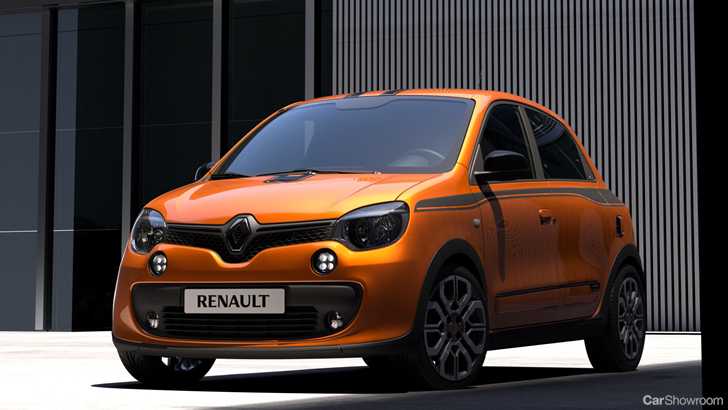
Renault, always exploring the dynamic and emotive possibilities of a small, fun, usually front-driven hatch, is reticent to shove a bigger engine into the Twingo due to packaging constraints.
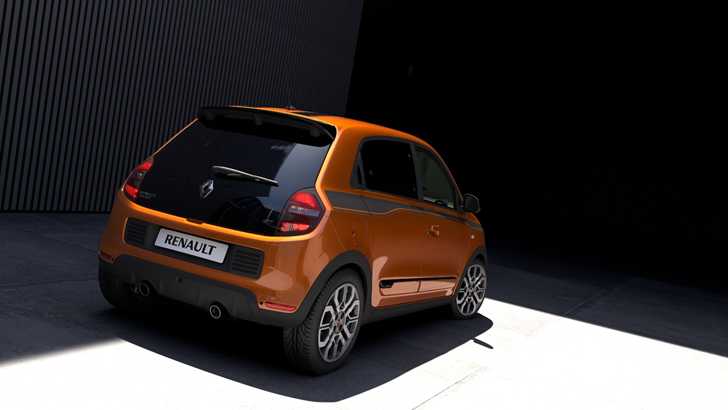
The third-generation Twingo’s unique rear drive, rear-engine layout poses more problems, with Renault admitting that a larger engine to create a Twingo RS would be “impossible”, according to an Autocar UK report.
That denial of a more powerful future version would mean that, at least in the near term, the recently revealed GT would remain the warmest Twingo with its turbocharged 80kW/169Nm 900cc three-cylinder engine.
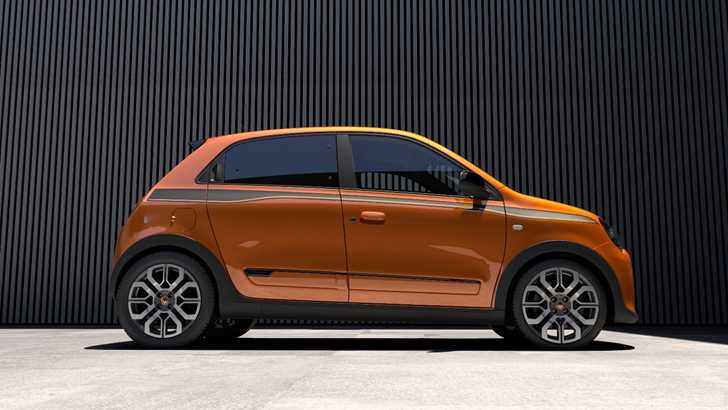
Head of Renault Sport, Patrice Ratti, told Autocar: “We think the GT is the right balance between power, agility and cost. With that power and the steering and suspension changes, it is really fun to drive, and we’ve been able to do all that without adding too much complication and therefore cost,”
“An RS would need around 150bhp, which presents all sorts of challenges. There’s not much room for a four-cylinder engine — which would be the cheapest way to get 150bhp. To get a three-cylinder engine to 150bhp would mean redesigning the engine, and at that point the project becomes very expensive — probably too much for an A-segment hot hatch,” Ratti added.
Despite this, shoehorning larger engine into small car isn’t a practice Renault is unfamiliar with. Their Clio V6 is a prime example, squeezing in a 3.0-litre V6 engine into its petite engine bay wasn’t possible, so Renault Sport decided to mount it in the middle and effectively made everything rearward from the two front seats a parcel shelf.
But we do agree that there’s only so much performance that the Twingo chassis and powertrain can take without some extensive and expensive modifications or replacements, taking the possible asking price well into Clio RS territory.
For more on Renault vehicles, including pricing and specifications, check out our Showroom.