There’s still life in atmo engines. Sort of.
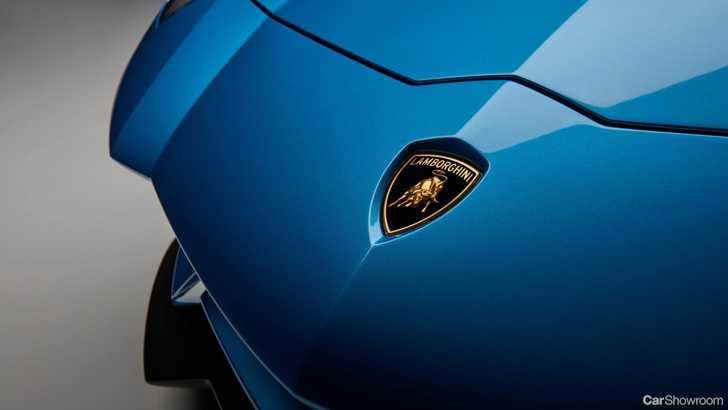
Fabled Italian carmaker Lamborghini has remained steadfast in its commitment to atmospheric engines in recent years, despite the downsizing movement gaining more and more momentum, even among its peers. And while Sant’Agata has relented to the pressure in a way (the Urus SUV features forced induction), its supersports cars will remain free of the technology, it seems.
Technical director Maurizio Reggiani also said that not only will Lamborghini remain resistant to the trend of turbocharging, it will also keep on making V10s and V12s for the foreseeable future.
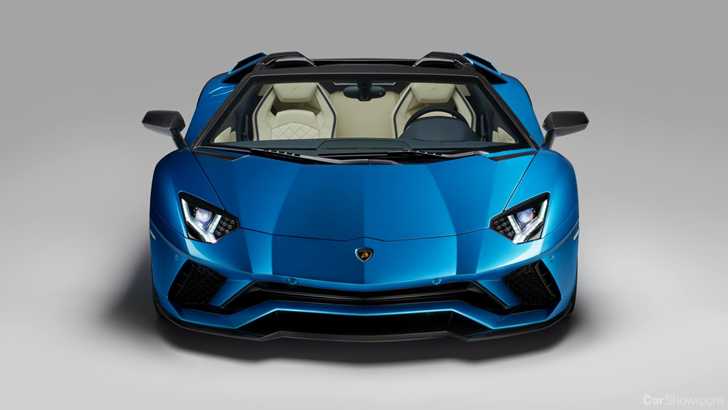
“Every car has a mission, and based on that mission you have to choose the right engine. For the Urus, the decision was turbo, but we will continue to choose natural aspiration for the super sports cars. In the future, we will need to take account of fuel consumption and emissions. I am convinced the naturally aspirated engine, coupled with a hybrid system, could be the right answer.” — Maurizio Reggiani, Chief Technical Officer, Automobili Lamborghini S.p.A.
Further than the obvious performance and economy advantages, a petrol-electric hybrid system would also go some way in smoothening out the operations of the sharp, aggressive single-clutch transmission in the Aventador. “You could use the electric motor to ensure you don’t have torque interruption,” Reggiani said to Autocar.
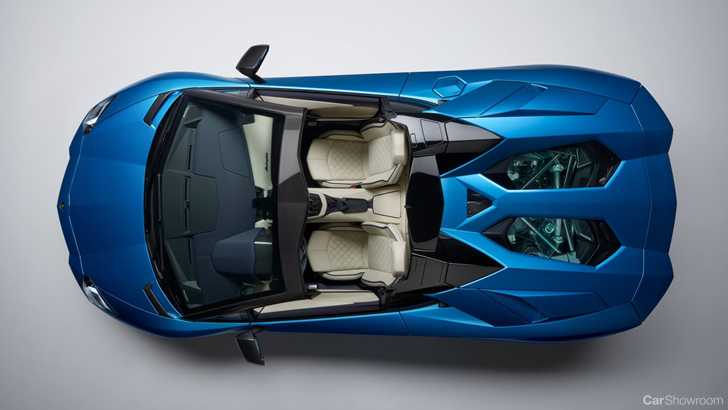
A hybrid Aventador, you ask? Lamborghini’s flagship V12 supercar, is set for replacement in late 2021, with the smaller V10 Huracan scheduled for a full model update in 2022. However, replacing the Aventador will not be an easy task, particularly if hybridisation is involved.
“We need to reinvent this icon without losing the characteristics of the current car: Carbon fibre, the V12 naturally-aspirated engine, and other components. Looking forwards, if it is a hybrid, then in what ways can we compensate for the weight?” — Maurizio Reggiani, Chief Technical Officer, Automobili Lamborghini S.p.A.
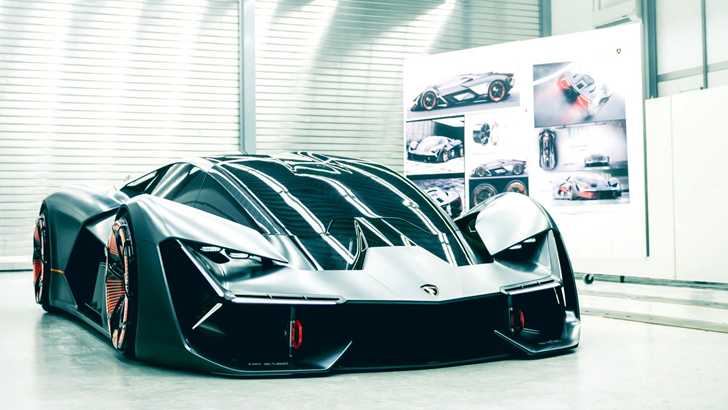
To specifically tackle the weight problem, Lamborghini has been working closely with the Massachusetts Institute of Technology (MIT) to develop carbon-fibre bodywork that can work as a form of energy storage (or a battery, in layman’s terms) as well as a superconductors. The product of this collaboration has already been previewed in the Terzo Millennio concept car, which spread out the energy storage solutions throughout the vehicle, and linked them all with the carbon fibre bodywork that doubles-up as a superconductor.
For more information on Lamborghini, check out our Showroom.