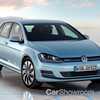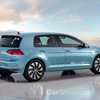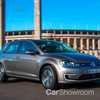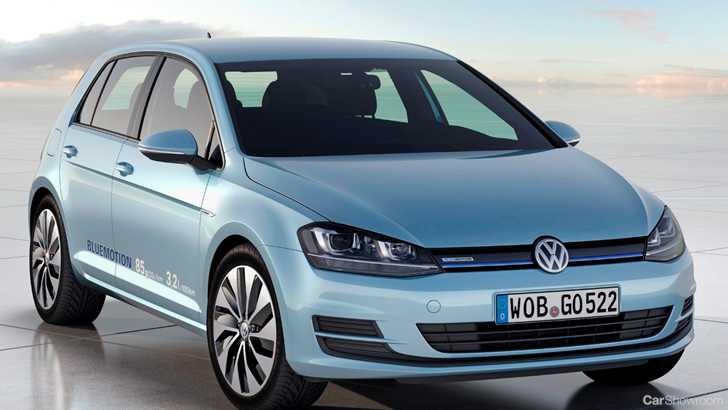
An all-new version, the 8th-generation in this case, of arguably Volkswagen’s most successful and most important car, the Golf, will be making its premiere in November 2016. In addition to the iterative improvements, this new car will mark the entrance of hybrid assistance to improve fuel economy.
The November timeline coincides perfectly with previous suspicions that Volkswagen is due to reveal a brand new Golf for 2017. The confirmation, rather, comes from Autocar UK, as does the newfound emphasis on democratising electric power to improve efficiency as opposed to downsizing and ever more complex fuel injection and methods of forced induction.
This could mean that Volkswagen will significantly reduce the production numbers for diesel-powered Golfs going forward, with the petrol-electric hybrid offered as a take-it-or-leave-it alternative to regular buyers and fleet owners.
Outwardly, it is reported that the 8th-generation Volkswagen Golf will feature any major departures from the existing visual style. In fact, a side-by-side comparison could lead one to dismiss it as a mere facelift. That would be an error, however, as the rest of car would have gone through a comprehensive overhaul.
Over the last few generations of Golf, this is has become something of a mildly unsurprising occurrence. The car’s overall design hasn’t changed all that much between the sixth-generation to the seventh either. And the fifth-generation car set the template for the next two, at least.
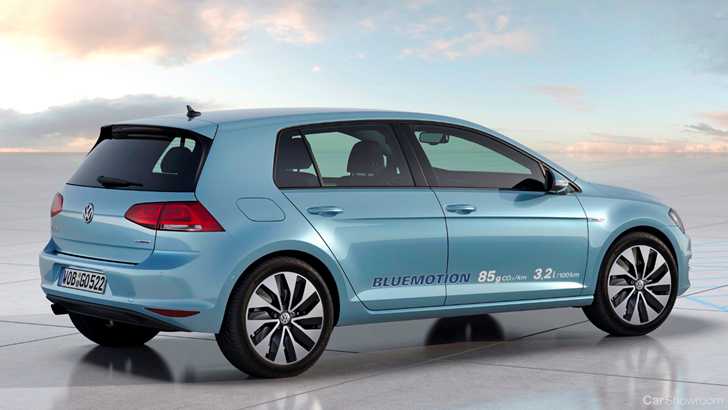
That aside, the upcoming version will be built-upon an updated version of VW’s MQB (short for Modularer Querbaukasten in German) platform, which already underpins the current Golf all the way to the Audi TT sports car and the VW Tiguan SUV.
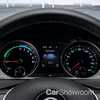
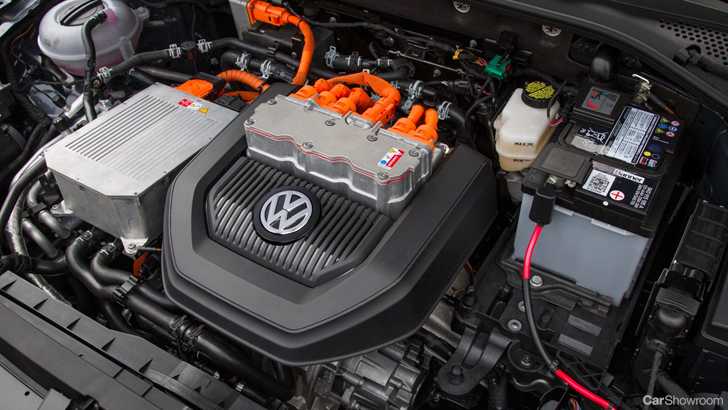
Under the bonnet, most variants of the new Golf will feature some form of mild electric drive which uses an 48V electric motor that doubles up as a starter as well as a lead-acid battery used to store energy recovered from the regenerative braking system. In short bursts, this motor can function as a high-torque source when extra power is needed.
It will reportedly work in tandem with new 1.0-litre three-cylinder petrol engine, which is turbocharged and features an electrically-driven supercharger, to deliver a headlining fuel consumption figure.
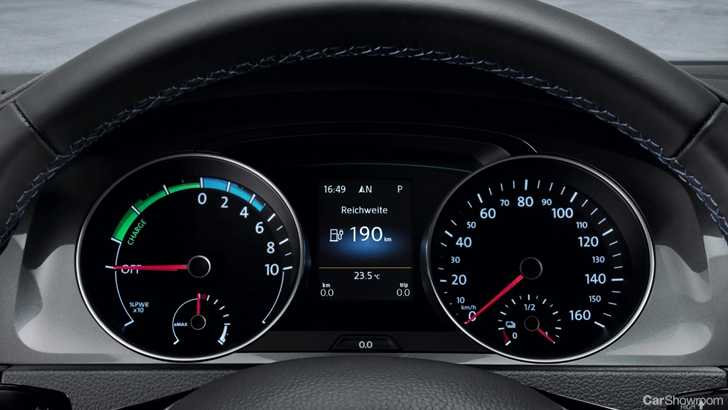
Theoretically, this innovative use of an electric motor/generator/start, regenerative braking, and electric supercharger could be applied to every variant up to the high-performance Golf R. This mild hybrid would help Volkswagen achieve markedly more efficient fuel consumption and emissions figures, deliver more power vehicles, ween buyers off diesels, all the while being cost-effective against traditional hybrids (or plug-in hybrids) which use a full-size electric motor and expensive lithium-ion batteries.
For more on Volkswagen vehicles, including pricing and specifications, check out our Showroom.