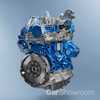
Surprise! Smaller engines are actually produce more pollutants in the real world.
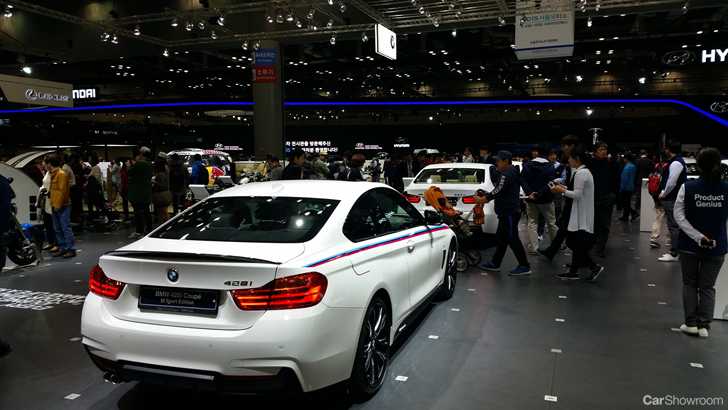
The window into which automakers can apply their powertrain know-how is becoming increasingly narrow with more emphasis placed on making sure each model and engine within are conforming to the latest - and most stringent - emissions regulations.
In recent years, automakers were pairing forced-induction to lower and lower capacity engines in an effort to satisfy this requirement. But in the face of emissions standards consistently climbing and researchers running up against the limits of internal combustion, automakers are forced to rethink this strategy and in the process have concluded that downsizing was a mistake.
In a report by Reuters, sources say that Renault, General Motors, and Volkswagen are planning to ditch their best-selling smaller capacity petrol and diesel engines over the next three years. This is due to the inherent need to make smaller engines work harder, with increased turbocharger boost, to make up for the power lost that resulted from downsizing in the first place.
And while the strategy worked fairly well in the beginning, with many countries structuring their vehicle tax around engine capacity, the automakers were locked into a counterproductive cycle. These engines, such as the many three-cylinder turbo-petrols and even Fiat’s small two-cylinders (TwinAir) would easily pass official emissions tests in the lab. In the real world, however, they can be much more pollutive to the environment in terms of CO2 and nitrogen oxide (NOx) emissions.
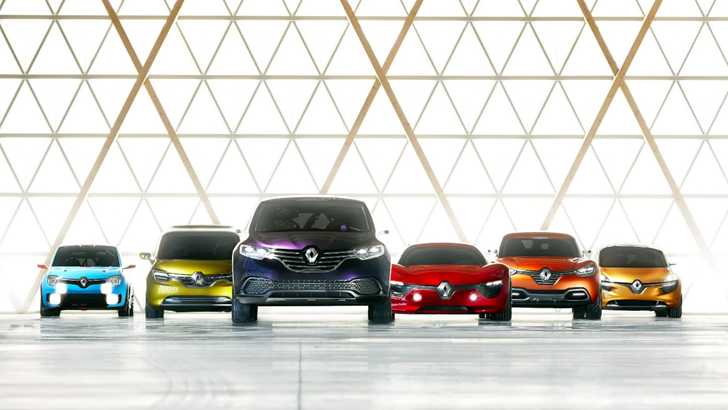
Alain Raposo, head of powertrains at the Renault-Nissan Alliance, told the newswire: "The techniques we've used to reduce engine capacities will no longer allow us to meet emissions standards. We’re reaching the limits of downsizing.”
Pavan Potluri, an analyst with IHS Automotive, said: "They might be doing OK in the current European test cycle, but in the real world they are not performing. So there's actually a bit of 'upsizing' going on, particularly in diesel."
Collectively, the automotive industry and carbon-aware governments are still reeling from last year’s ‘Dieselgate' emissions cheating scandal perpetrated by Volkswagen. Both these sides are entirely sure about how to coordinate a concerted step forward, with each making independent strides that usually conflict with each other.


A common theme for the motor industry is to lessen its dependence on diesel and instead invest more in the development of hybrid and fully electric vehicles. Various legislative arms of government, however, are also moving similarly to introduce stricter emissions regulations and place more scrutiny on the automakers as well as to encourage drivers to choose more efficient cars or, like Paris, ban older cars from the city centre altogether.
This shift in the automotive landscape would likely take several years and, much to our disappointment, will not usher in a golden age of straight-sixes, V8s, and V12s. It will however, make the world more sensitive to the fact that carbon emissions cannot be solved with a single factor. Downsizing, like everything, has its limits and must work together with other measures to achieve this goal.
Or, you know, electric cars.