Development work toward its future vehicles tend to always occupy a big chunk out any manufacturer’s annual budget, and Volkswagen more than most are looking for ways to trim.
Between outlining an ambitious electric vehicle offensive for the next decade and settling the aftermath of last year’s 'dieselgate' emissions cheating scandal, VW can’t afford to not cut corners. Reasonable ones, of course.
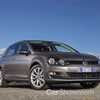
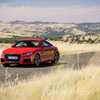
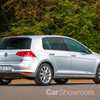
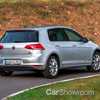
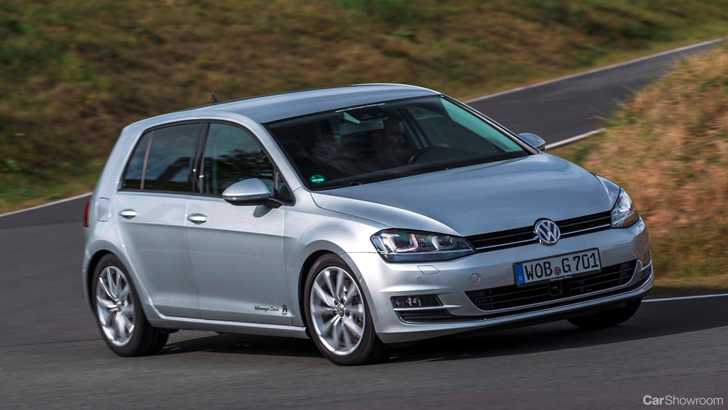
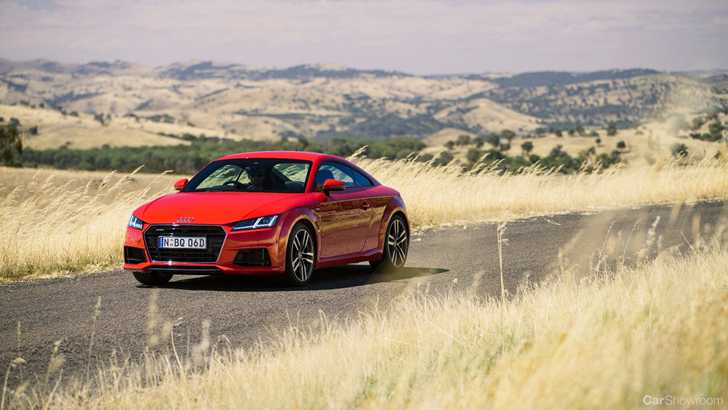
One such example would be keeping their vehicle platform generation around for longer than is normally expected. Their MQB architecture, introduced in 2012, which underpins many vehicles within the brand and group from the Golf to the Passat to the Skoda Kodiaq, Audi TT, Q2 and next-generation Audi Q3.
This was elaborated by Volkswagen CEO Herbert Diess to German newspaper Boersen-Zeitung over the weekend. “In the past months we have worked on the cost side of MQB and made significant progress,” he said, “the MQB (platform) has high technical substance, so we can use it for the next two vehicle generations without further major investments.”
Luckily for Volkswagen, the MQB is a technically advanced based from which to build a wide range of vehicles upon. If a current vehicle platform exists that could stand to be used for over a decade, this would one of the frontrunners.
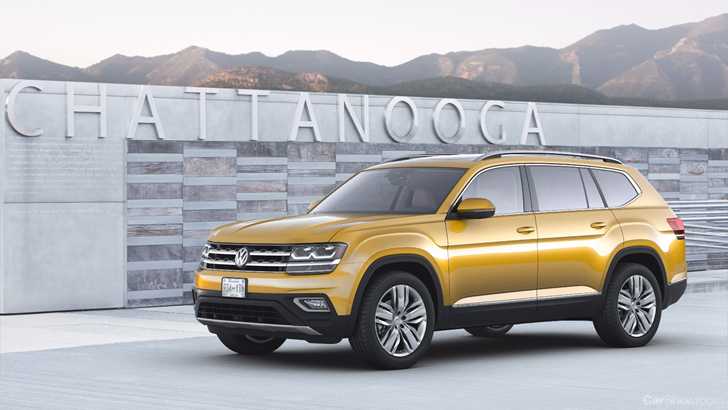
The most recent permutation comes in the form of the large Volkswagen Atlas SUV, aimed at the North American market, which also sits atop MQB underpinnings.
And according to Reuters, sources believe this move would be instrumental to Diess’ plan to cut annual costs for VW by 3.7 billion Euros through 2021. Production on MQB-based vehicles, however, will steadily increase to the target figure of 7 million by 2018.
"We are rising to that challenge. We will achieve more in the future with fewer investments to respond to competition," he added.
For more on Volkswagen vehicles, including pricing and specifications, check out our Showroom.