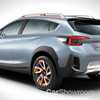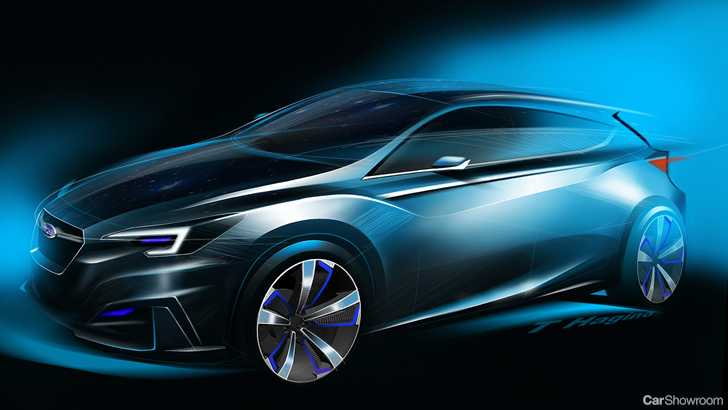
With perhaps only Suzuki being the other exception, we’ve had other major Japanese automakers express their interest or heard product announcements that include either plans or tangible new models that include either fully electric cars. But Subaru has remained relatively silent on the matter.
Known for its rally-bred Symmetrical All-Wheel Drive system and flat Boxer engines, Subaru has offered hybrid versions of its more popular models such as the XV, known elsewhere as the Crosstrek. Fully electric cars, though, are another matter altogether.
However, a new report by Autocar indicates that the company has plans for a full EV to be introduced by around 2020. But where other manufacturers are endeavour to create specialised (and often modular) underpinnings to accommodate a large bank of batteries and multiple electric motors while fulfilling all the necessary thermal and crash protection needs, the first Subaru EV will likely instead be based on an existing model, a new variant.
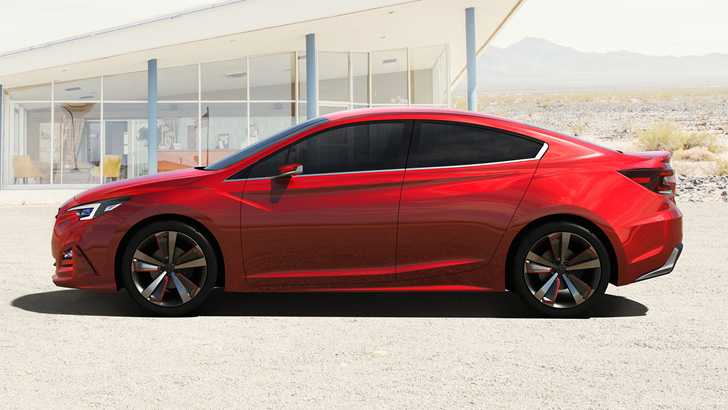
Specifically, it will reportedly use the same Subaru Global Platform that debuted in the fifth-generation Impreza. By 2020, it will have permeated through all models in their portfolio at that time. However, this grafted approach to supporting BEVs (battery electric vehicle) has its issues.
For one thing, while supporting a mild hybrid is possible due to the batteries not having to be large enough to power the vehicle for a extended period, they can be packaged in a number of non-intrusive places within the structure, and electric motors themselves are quite small and easy to embed.
Fitting enough batteries into a platform that was developed to only support internal combustion configurations is problematic as the spatial constraints quickly surface, and unless space in the boot or the second row is willing to be significantly compromised, there’s really nowhere to fit them.
To get around this, manufacturers are starting to think of batteries differently, integrating them into the structure as closely as they can. Typically, this results in all the cells being mounted within the floor where the driveline and fuel tank would live, resulting in a very low centre of gravity, a high density of cells and a relatively easy way to access them should a replacement be required.
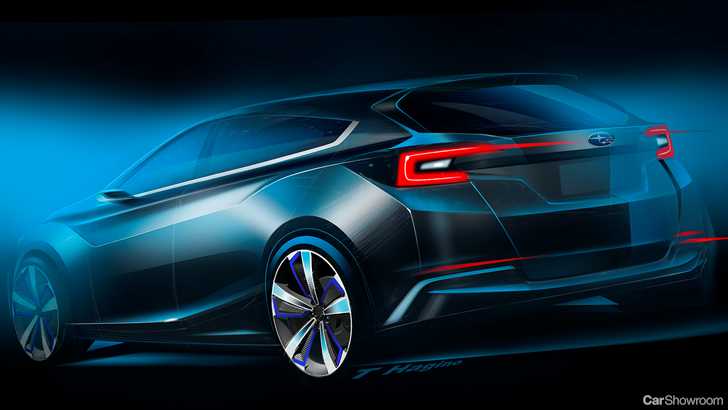
Unless Subaru has some next generation battery technology in mind, we don’t foresee this first stab at a fully electric car offering all that much range, or at least not nearly enough to compare to a full tank of fuel.
That, or, introduce a new platform developed specifically for fully electric cars. Seems like they’ll need them sooner rather than later.
For more on Subaru cars, check out our Showroom.