“Major benefits” to be had by using the new car.
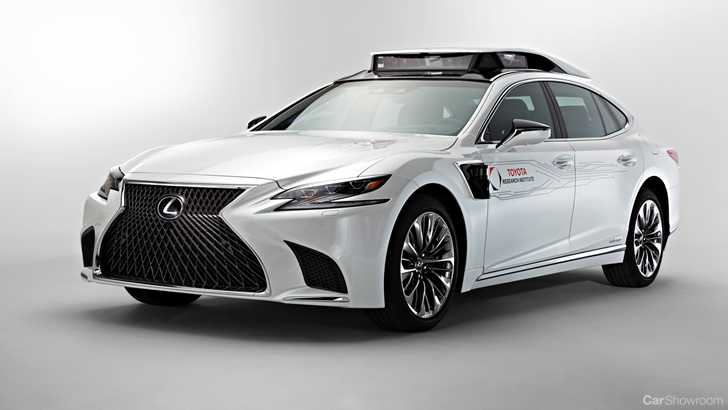
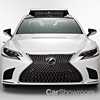
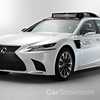
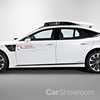
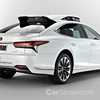
Japanese auto giant Toyota has forwarded their autonomous driving research with the arrival of the Lexus LS500h, which they say will provide major benefits to their research. Previously, the Toyota Research Institute utilised a relatively old Lexus LS600h, which they called ‘Platform 3.0.’ The new car is dubbed TRI-P4, and it’s being unveiled at the 2019 Consumer Electronics Show (CES) in Las Vegas, Nevada.
The P4 is being called the most advanced autonomous car ever made by TRI, thanks to the ability to utilise the more sophisticated steering system in the new LS. But like the previous TRI car, the new P4 is fitted with the same array of cameras, lidar, radar, and thermal imaging cameras. That said, two new cameras have been added on the front fenders that look forwards and backwards, which apparently improve the P4’s ability to navigate roads all by itself.
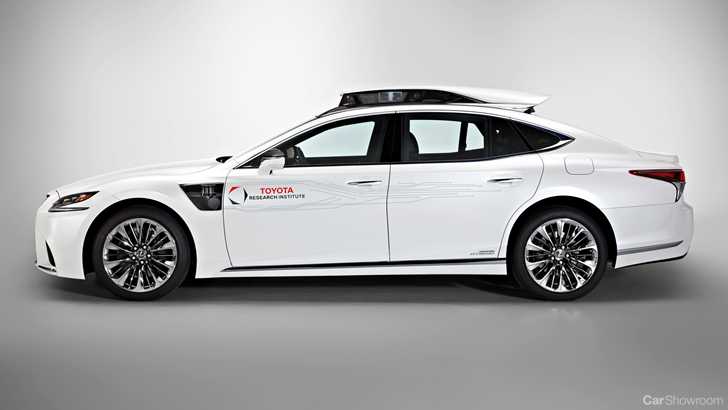
The TRI-P4 is merely a tool in Toyota’s development of what is essentially two different kinds of autonomous driving modes, dubbed Guardian & Chauffeur. The former mode is supposed to be an enhancement of a human drivers’ capability, acting as a safety net of sorts to see what a person behind the wheel might miss.
‘Chauffeur’ mode is, as the name suggests, a properly-autonomous system. Chauffeur is being developed as a mode that allows the car to operate without human input (either in specific or limited situations or just generally), freeing up the occupants to do as they please.


The TRI-P4 is said to also benefit from improved computing & processing power, now accommodating machine learning for the first time. This permits the car to improve its own capabilities over time, though Toyota has yet to go into proper detail on how it intends to do that. In any case, more details on the new TRI-P4 will be revealed at its proper unveiling at CES 2019 which will open later this week.
For the best deals on a new car, check out our Showroom.