They’re not ruling it out, but it’s unlikely in the short-term.
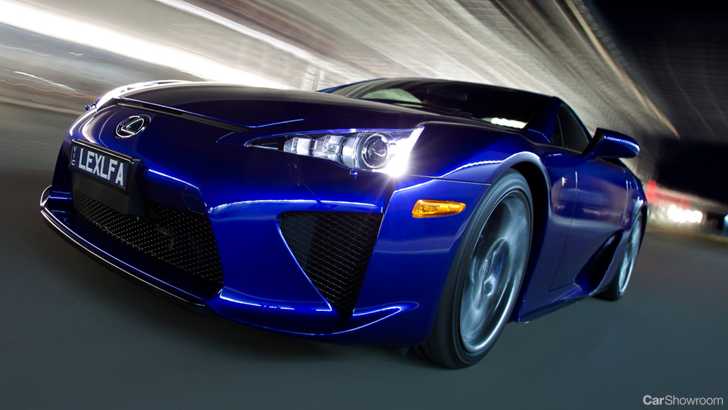
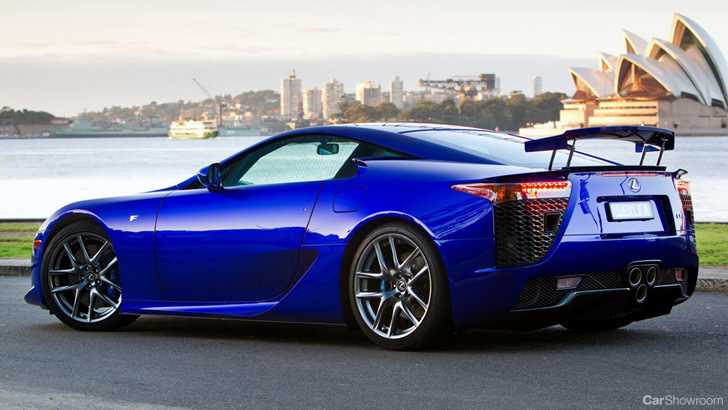
Lexus president Yoshihiro Sawa keeps a flame alive for the LFA supercar, believing that in an ideal world, the company would already have a successor to the iconic supercar from 2012. Limited to just 500 units and fitted with a screaming V10, the LFA may not have been the pin-up supercar of choice for millennials, but there’s no doubt insofar as its importance to the Lexus brand as a halo model that showed off the company’s engineering prowess at its best.
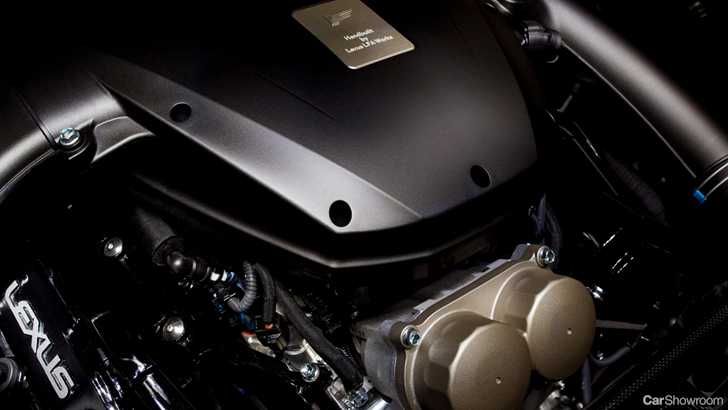
One of the LFA’s most memorable traits was its engine: A highly-strung 4.8-litre V10, managing some 412kW of power, capable of hitting 100km/h from rest in just 3.6-seconds before topping out at 325km/h. Reviews my critics around the world concluded that while it was far from perfect as a car, it was a nearly-faultless presentation of a supercar, offering an engaging, connected, exciting driving experience and a degree of driver involvement that was missing from the Japanese luxury brand up until that point.
Returning to the present day, Lexus makes do with the LC coupe at the top of its lineup, tasked with roughly the same job as the LFA, to change perceptions of the Lexus brand and its values, while being considerably more affordable than the V10 supercar. According to an Autocar report, Sawa says that while it would be great to have a supercar like the LFA act as a halo model for the brand, it simply doesn’t make sense at the moment, given that there are a million other things for them to focus on.
“I really want an LFA successor, and it’s important to have dreams. But for now, it’s a very complicated situation. It’s a difficult question to answer (if the LFA will be succeeded) as I would like to do it, but we have other priorities now.” — Yoshihiro Sawa, President, Lexus
Among these priorities include the introduction of two new SUVs to the lineup, aimed at two different ends of the market. One will be an extended, larger version of the RX SUV that will take aim at cars like the Range Rover Sport and Volvo XC90 in terms of ability and packaging, while the other will be a compact model called the ‘UX’ that will take the game on to cars like the BMW X1 and Volvo XC40 in the compact-crossover segment.
Unless you specialise in it, it’s actually a difficult business case for most manufacturers to even consider a supercar, considering that a lot of customers make these ‘emotional’ purchases based on things like brand value and historic significance, alongside the usual metrics of practicality, desirability and what have you. That in mind, we’ll just join the thousands, if not millions of people who hope for a new LFA, even if isn’t a car for today.
For more information on Lexus, check out our Showroom.