A common thread with premium sedans, despite not one that’s especially prominent, is that nearly all of them are rear-wheel driven - at least by default. Of course, permutations can have an (often optional) all-wheel drive system implemented, but the typical formula involves a longitudinal engine sending drive rearward.
With the exception of Audi (and the Lexus ES), every other premium saloon features a rear-drive layout. While this has its advantages when it comes to handling, it does constrain the automaker’s flexibility with regard to packaging. This complexity is compounded as the advent of electrification looms and there are fewer options when it comes to fitting in an electric motor and a sufficiently large battery while maintaining boot space and/or weight balance.
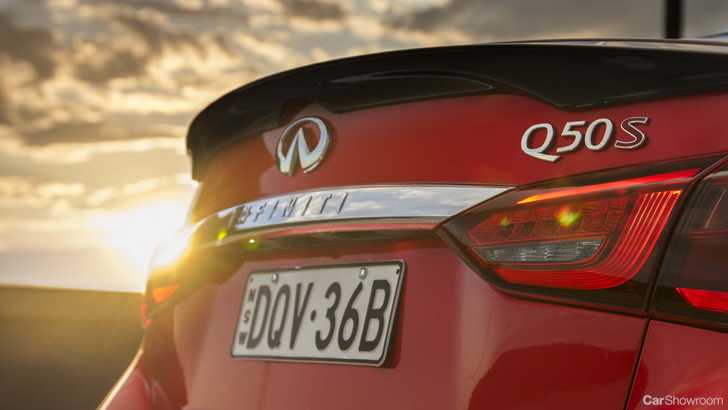
While this change alone might upend the rear-wheel drive trend in premium saloons within the next few years, Infiniti intends to buck this trend early by shifting their Q50, Q60, and Q70 to a completely new platform, one that leverages an advanced electrical architecture to much more easily support hybrid, PHEV, and fully electrified powertrains. This transition is slated to occur starting in 2021, according to GoAuto, but in the meantime will mean a bit of a dry spell of new Infiniti models until then.
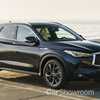
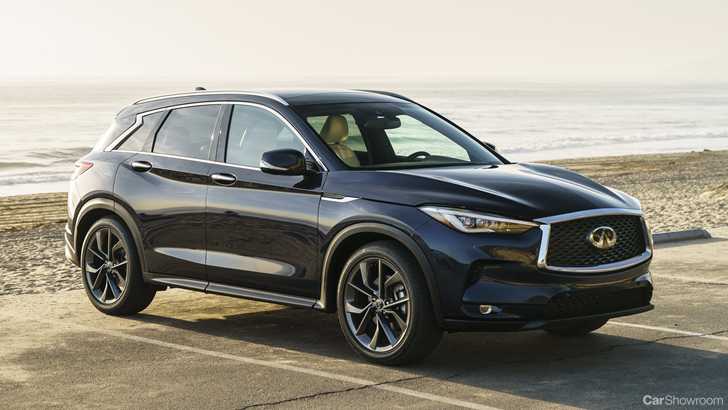
Infiniti’s most recent production unveil was the QX50 mid-size crossover, one that goes head to head with rivals such as the Audi Q5, Mercedes-Benz GLC, and BMW X3. Should this new model drought crystallise as accepted fact, the QX50 will remain as the ‘newest’ Infiniti for a few more years.
Engineers at Infiniti will be working with their peers from parent company Nissan to develop these all-new underpinnings, one that will effectively succeed the current FM platform that lays the basis for not only all those aforementioned Infiniti sedans, but their current QX70, previous QX50 as well as the Nissan 370Z.
Other automakers have a more entrenched relationship with rear-wheel drive, at least when compared to Infiniti. The obvious example of this is BMW, with which much of their brand ethos is tied, and have confirmed that they will be sticking with the layout for the foreseeable future, at least in the context of successors to their famed 3 Series and 5 Series. However, they have made inroads to the contrary, lobbing ‘sDrive’ variants of the all-new X1 and X2 as front-driven propositions.
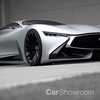
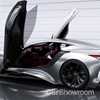
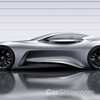
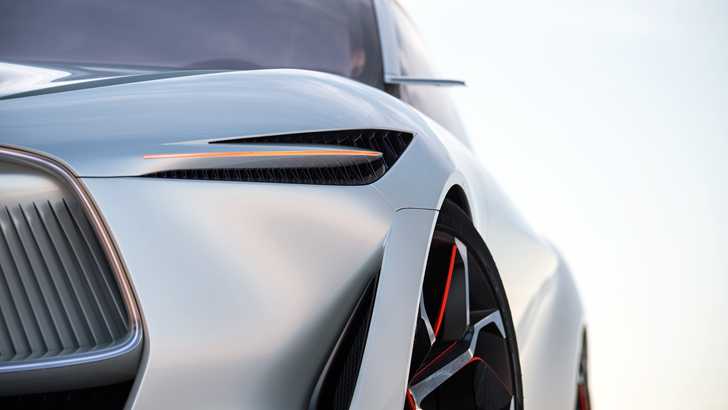
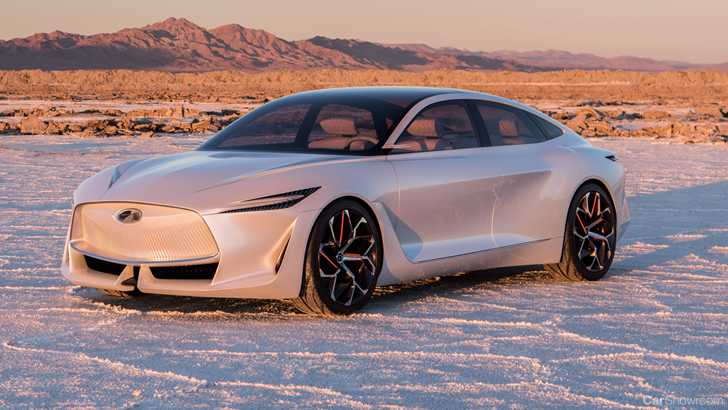
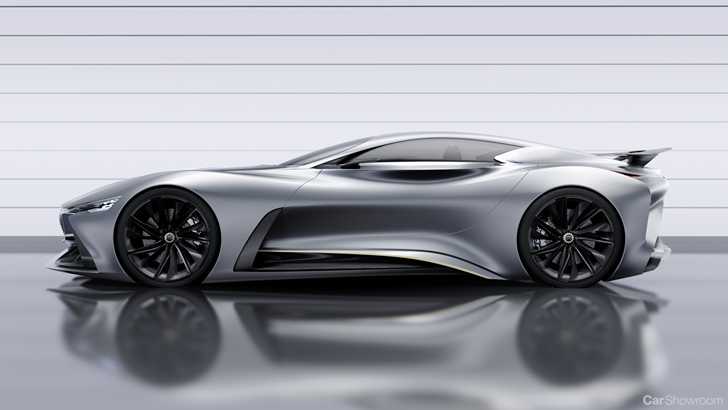
Deconstructing the decisions made with their Q Inspiration Concept from this year’s Detroit Motor Show bears out this intention along with the clearer directive of defining a design reference point for all future Infiniti sedans. Unlike many of its contemporaries on the show floor, the concept was touted as being propelled by Infiniti’s production 2.0-litre turbo-petrol with variable compression technology.
As many have surmised, the Q Inspiration could be closer than we might think to previewing an all-new model. In this case, it’s likely to be closer to a Q50 than anything larger. By then, assuming this 2021 timeline is followed, the electrified boost that comes with the more advanced electrified architecture will nullify any deficit in performance afforded by larger displacement engines, making even entry level variants as quick off the line as today’s Q50 Red Sport but while consuming much less fuel and emitting far less pollutants and CO2.
Although this would leave the scope for increased flexibility in engines, Infiniti could still decide to only augment select variants with all-wheel drive through electric motors mounted at the rear axle and without needing to form a mechanical connection to the internal combustion engine up front. Again, this not only reduces complexity, but cost as well, while the physical space saved can be used, say, for additional battery cells.
For more on Infiniti cars, check out our Showroom.