With the aim to put more small cars in the huge Chinese market.
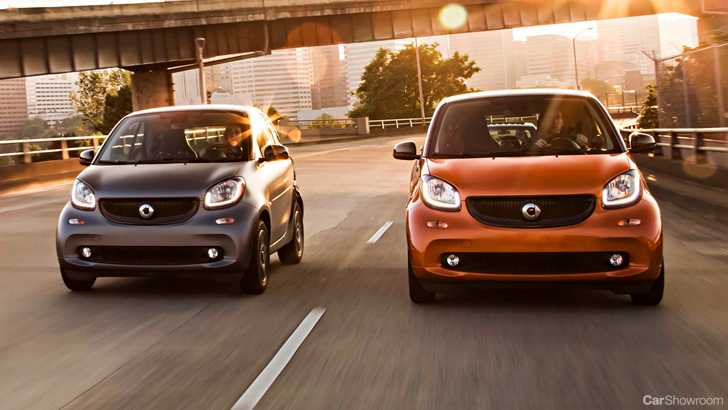
Chinese automaker Geely, famed for its takeover & turnaround of Volvo and recent acquisition of Lotus and a stake in PROTON, is now looking to add yet another marque to its stable. After amassing a 9.7% stake in German concern Daimler, it’s now set to take over one of the latter’s less stellar performers with the intent of turning it into a force to be reckoned with. Their sights, it seems, is trained on smart.
Smart was started by Daimler over two decades ago as a fun and youthful brand, selling quirky compact semi-premium cars to fun and quirky people. But while Daimler has given smart all its ever needed to thrive, thrive it didn’t, with analysts suggesting that the marque has never once turned a profit.
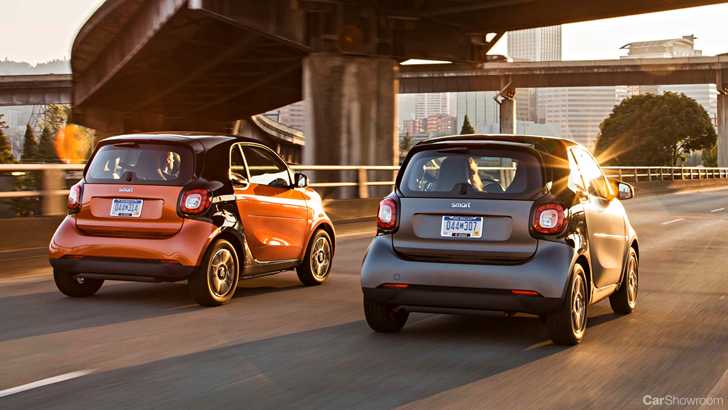
With just 130,000 smart cars sold every year, they represent a small fraction of what Daimler makes. And chief executive Dr. Dieter Zetsche, a staunch smart supporter, ending his 13-year reign as Daimler’s chief executive, questions were raised about the future prospects of the microcar marque.
It’s been suggested to the Financial Times that Daimler and Geely, having deepened their relationship significantly since the latter’s stake acquisition into the former last year, are looking to conclude the transfer of ownership of smart before the opening of Shanghai Auto Show next month.
Geely’s interest in smart is rather straightforward: With China leading the globe as the single largest market for EVs, and Beijing’s positive stance on zero-emissions vehicles, Geely would benefit greatly from taking a relatively-established brand and turning their products into ones that would resonate with the local market.
But there could be a problem on the horizon, and it may come from Berlin. German lawmakers were taken by surprise when Geely took such a significant stake in Daimler, raising concerns that China was buying their way into European business assets in order to transfer the information back home.
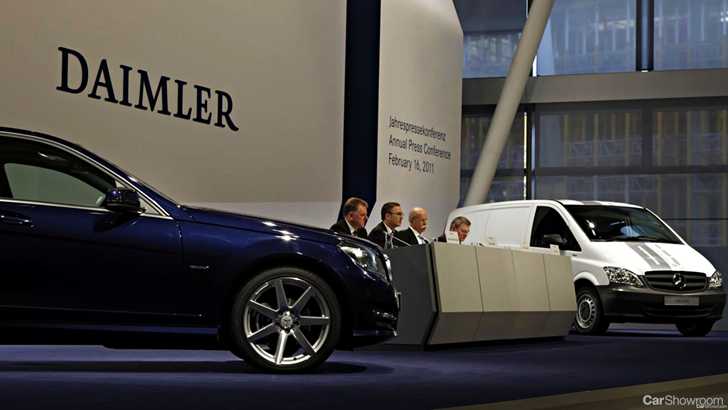
A German MP said of Geely’s buy-in as if they had “crept up on Daimler out of nowhere,” and so Berlin quickly pushed a draft law that would permit the German government to block investments above 15% by non-EU companies in ‘sensitive industries.’ This was, they claim, a move meant to safeguard Europe’s biggest economy.
But with smart’s intent to go full-electric by 2020 and China’s continued hunger for electric vehicles, it would be nonsensical for the German government to limit or prohibit the sale, given that Daimler would continue to retain a near-half stake in smart anyway.
For the best deals on a new car, check out our Showroom.