Not so much with the next Fiesta, more with the next Focus.
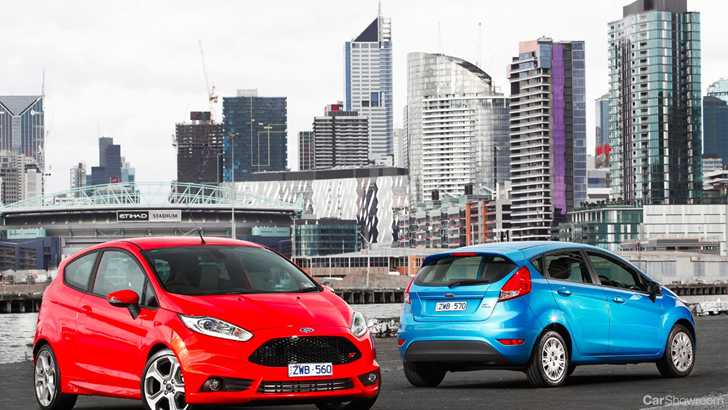
For the past generation, Ford has tried its best to consolidate most of its models under the ‘One Ford’ policy, offering a standard range of vehicles to all its markets in the various global regions. It seemed like the most logical step, and still is for a lot of automakers, as it’s the most efficient to scale.
But scale is the main factor driving the the American automaker to rethink this approach as its vehicles span a wide dynamic range, sold to buyers that might have different preferences and needs depending on where they are.
Moray Callum, Ford’s Global Design Chief, during a conversation with Autocar UK, expressed the company’s plan for a more adaptive approach “tailored to each region”. It’s a tweak rather than a pivot to the One Ford approach, which originated during the stewardship of former CEO Alan Mulally.
Had it not been instituted, the Mustang would have remained confined to a new selected markets instead of designed from the start as a global model. Other examples include the European-developed Fiesta’s introduction to the the North American market and Ecosport’s spread to Europe.
This more focused vision also saw them cutting ties with Aston Martin, Jaguar, Land Rover, Mazda and Volvo from their list of partners and joint-ownership deals.
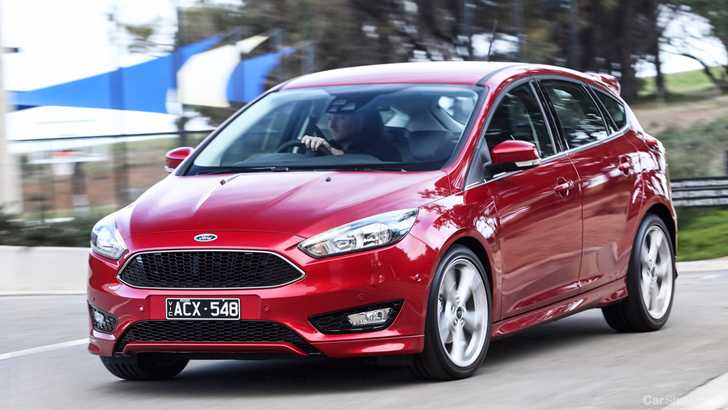
‘Focus’ was also used to illustrate how this more flexible change to the One Ford way will apply to future models. The upcoming all-new fourth-generation Focus will be the first divergence. In the US, the general level of specification is reduced compared to those sold in nearly every other market. This is due to it being seen as an entry-level model, but not so elsewhere.
As such, Ford could offer the Focus at more competitive price points by engineering it to fit with customer expectations there. For American buyers, its strong driving dynamics aren’t much of a selling point and therefore could feature a less sophisticated setup while reserving the sharper handling tune for other regions.
“They will be visually similar but there will be less content for the US model,” said Callum.
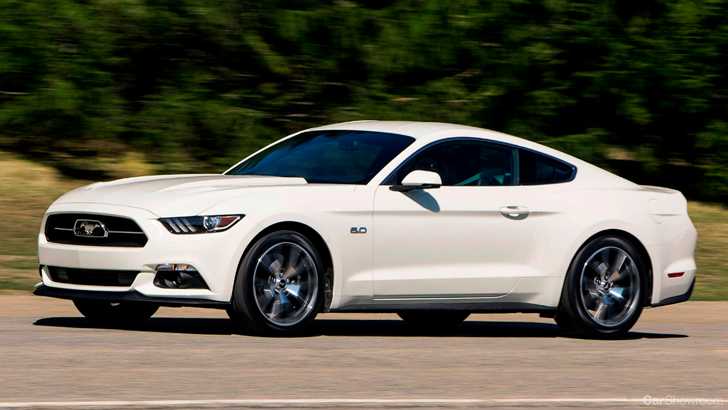
The other evolution will come on the visual front, where the current Kinetic Design philosophy will be further refined and altered slightly depending on region. It won’t be a dramatic change, but will be noticeable to those who scrutinise the design of Ford’s cars going forward.
The most immediate all-new model due to introduction is the next-generation Fiesta, which by all indication will only feature modest visual changes. However, Callum continued by saying that the changes will be more evident with the models following that.
For more on Ford vehicles, including pricing and specifications, check out our Showroom.