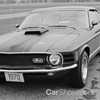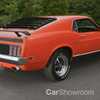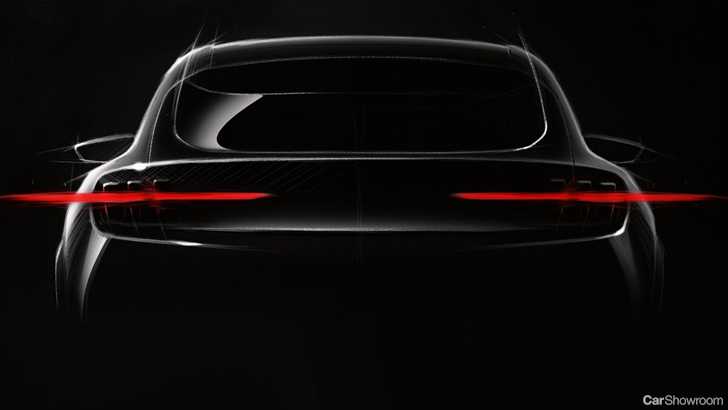
Ford has just very recently released this, their first teaser image for what will be their often rumoured fully electric sporty crossover and, oddly enough, it seems to borrow its name from one of the coolest (sounding) Mustangs ever: Mach 1.
However, despite being referred to as a crossover, this teaser does show us that some of that Mustang DNA has been carried over, somewhat justifying its name. Here, this single rear end shot portrays the taillights being 3 slightly slanted verticals, a cue reminiscent of the sixth-generation Ford Mustang.
The rear illuminators in question will likely appear red when not lit, and they rest in an oblong concave shape that runs the width of the car, another nod to the ‘Stang. From this picture, it’s also hinted at that the ‘Mach 1’ will feature a rather wide stance much like that of a performance car and not one that’s developed with practicality in mind. Intriguing.
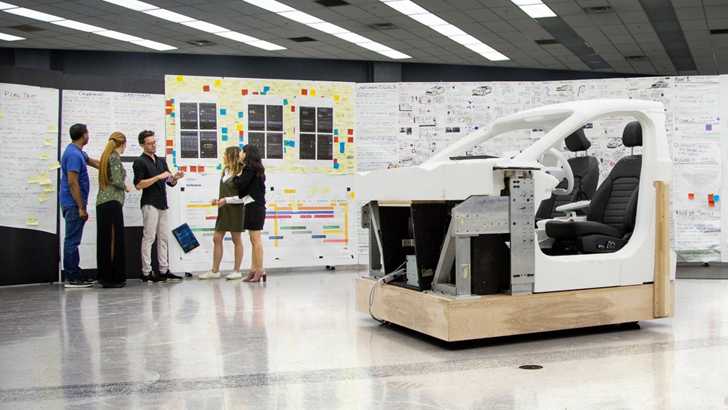
‘Mach 1’, shall it so be referred until its full name is revealed, is the first car to emerge from Ford’s Team Edition project tasked with spearheading the brand’s march to the future. Darren Palmer, the internal outfit’s Global Product Development Director, said:

“You’d think after 28 years of working for the same company that nothing would surprise me. I’ve been fortunate enough to work for Ford across many amazing teams on many exciting assignments, most recently leading development of the next-generation Mustang. But earlier this year I received a call that would challenge everything I thought I knew about Ford and our future,”
“I was asked to lead product development for a brand-new team, Ford Team Edison, focusing exclusively on electrified vehicles for both Ford and Lincoln. And to be successful, this new team had to be willing to challenge every truth and every process we had developed over the course of our careers.”
We’re not sure why Ford is so attached to this name for this upcoming car and possible new model. After all, ‘mach one’ is just a scientific term to describe the speed of sound through the air, or about 1,225km/h depending on variables such as pressure and temperature.
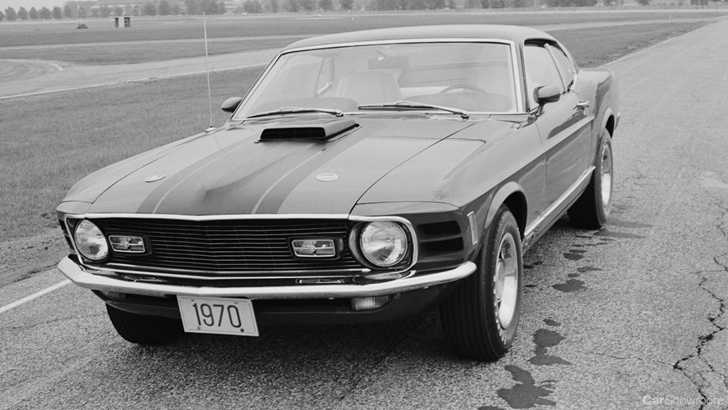
This made sense for the Mustang at the time because they were fast cars for that era and the aviation world was trying harder and harder to push aircraft speeds beyond supersonic and it would be decades later until supersonic speeds were broken on land.
For more on Ford cars, check out our Showroom.