“Self-driving cars so soothing, test engineers fall asleep.”
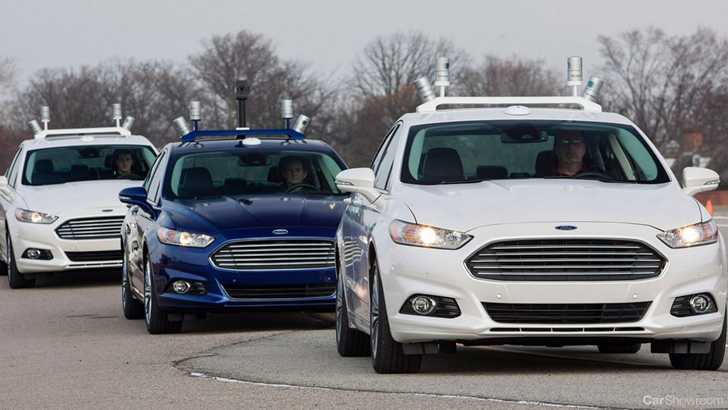
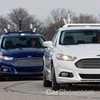
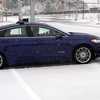
The Blue Oval is pushing for greater automotive autonomy, and with more and more cars taking to the streets for testing, they’ve run into an unexpected problem: The engineers on board, put there to monitor the autonomous vehicles and step in should they make a mistake, are falling asleep.
Rather than being nervous and vigilant of the cars’ possible mistakes (as this writer certainly would be), Bloomberg reports that Ford’s engineers are being lulled to sleep by the pleasant progress of the autonomous cars they’re supposed to be supervising. To combat this, Ford put in place any number of preventative measures, like buzzers, bells, warning lights, vibrating seats and shaking steering wheels. They even put two engineers in the cars instead of one, but to no avail. They were still falling asleep.
Raj Nair, product development chief at Ford, said that the ride offered by the autonomous systems were too smooth and unflustered that engineers couldn’t keep their eyes open. “These are trained engineers,” he said, “who are there to observe what’s happening. But it’s human nature that you start trusting the vehicle more and more, and that you feel you don’t need to be paying attention.”
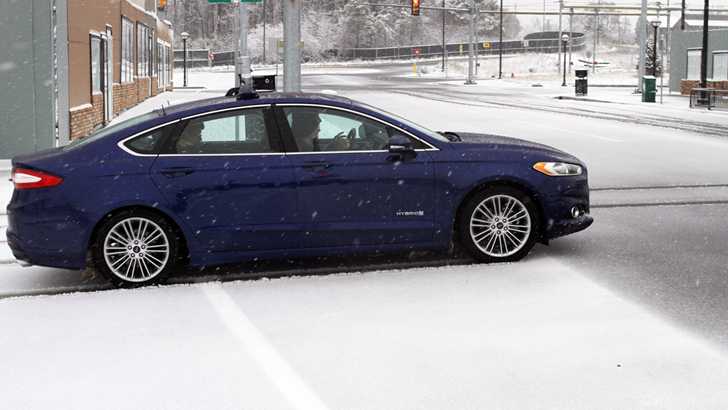
As a result of this testing, Ford has come to a monumental decision: They will overlook Level 3 driving autonomy altogether, and aim to remove the traditional car controls altogether from their autonomous cars by 2021. This is in start contrast to the current adopted practice of the industry, that believe that a human driver can still be relied on to intervene at the last moment should a semi-autonomous vehicle find itself in a spot of bother.
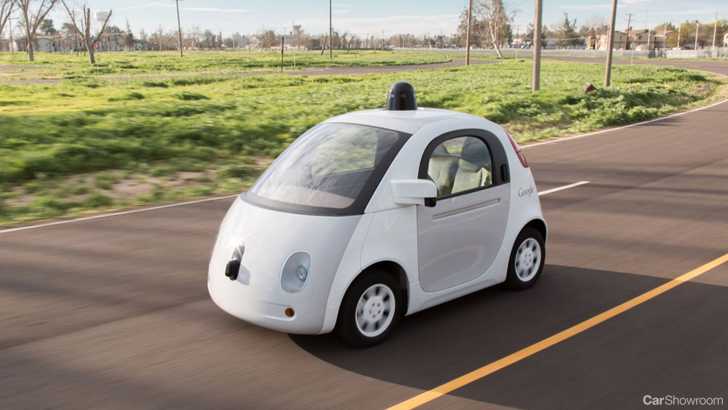
Waymo, a Google company that has also been working on driverless cars, echo the same sentiment. “Level 3 may turn out to be a myth,” CEO John Krafcik said. “Perhaps it’s not worth doing.” A scale adopted by the US government defines a Level 3 autonomous vehicle as one that can essentially function on its own for most of the time, but will fall back on human intervention in particularly complex situations. These Level 3 ‘conditionally automated’ cars will be rolling out as soon as next year, with companies like Mercedes-Benz, BMW, and Volkswagen AG planning for vehicles that will demand driver intervention with as little as 10-seconds notice, something that concerns some parties.
Nidhi Kalra, a co-director at the Rand Centre for Decision Making Under Uncertainty, spoke at a congressional hearing on the subject. “I don’t think there’s enough evidence to suggest that it should be prohibited at this time, but it does pose safety concerns.” These concerns stem from the possibility of a human driver being unable to assess, understand, reason, and react to a situation in the timeframe that an conditionally-autonomous car would give them.
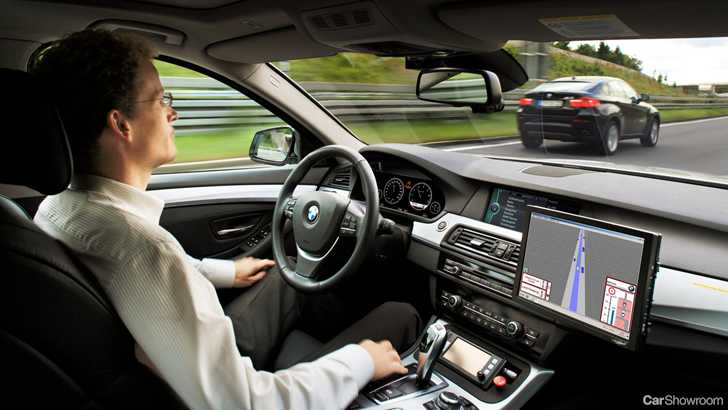
There are parties who advocate Level 3 autonomy, though. Audi of America president Scott Keogh says that he “likes the levels,” and that it “helps with consumer understanding and getting trust built into the marketplace, as opposed to going straight to the moonshot right off the bat.” These views were aired ahead of Audi’s introduction of ‘Traffic Jam Pilot,’ a Level 3 autonomy system that allows the car to pilot itself at speeds of up to 55km/h.
Volvo also believes that Level 3 may be futile. “We don't believe in 5-seconds, 10-seconds [for a human to react to a dangerous situation],” said Hakan Samuelsson, CEO of the Swedish carmaker. “It could even be dangerous. If you are doing something else, research shows that it will take two minutes or more before you can come back and take over. And that’s absolutely impossible. That really rules out Level 3.”
With strong points on both sides of the fence, it’s hard to definitively say who is right. Either way, the road going forward will be a challenging one, with or without advanced driving assistance.
For more information on Ford, Audi, BMW, Mercedes-Benz, Volkswagen, or Volvo, check out our Showroom.