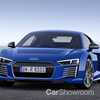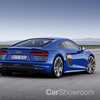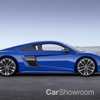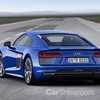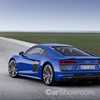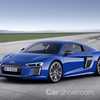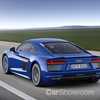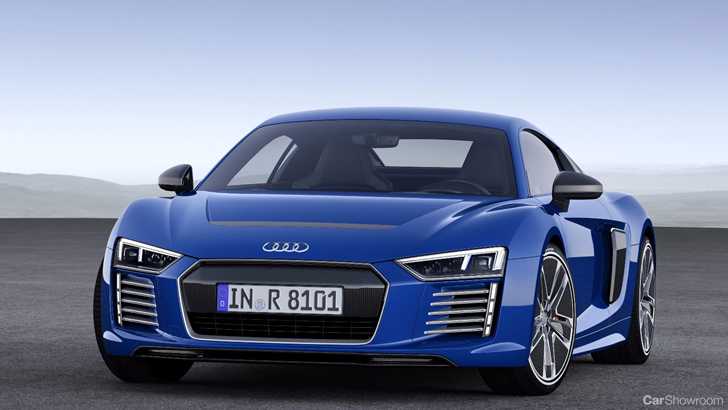
The story of Audi’s first fully-electric supercar, the R8 e-tron, is one fraught with more valleys than peaks. After being prototyped numerous times within the Ingolstadt skunkworks and teased at various motor shows, a production version finally came into being in 2015.
Based on the second-generation R8, the limited run e-tron version wasn’t really met with the warmest of reception after being a development rife with setbacks brought about by shifting internal priorities.
Its astronomical price tag of 1 million Euros might have played a large role in this, but it was also set back by its order funnel being exclusive to Audi’s headquarters instead of being available at major Audi dealerships worldwide and the fact that little firm information was on hand about its spec and options, further deflating potential buyers.
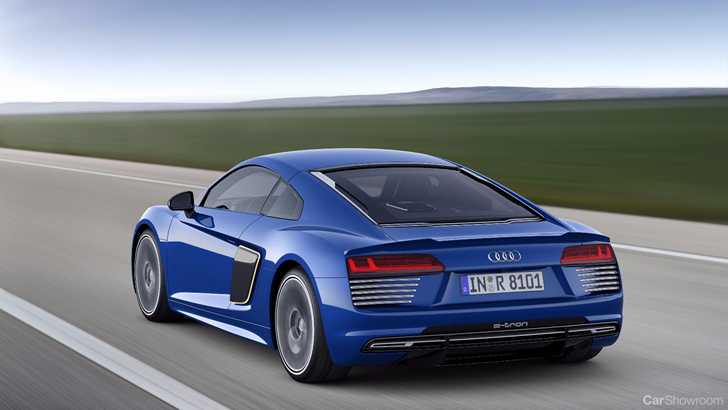
However, according to a recent report from Autocar, Audi is very much still in high hopes for an EV supercar to act as successor to a car that, while is undoubtedly an engineering and technical triumph, sold less than 100 units and remained in production for just 19 months.
Peter Mertens, Audi’s new head of research and development and former Volvo R&D chief, told the publication at the recent Formula E race in Berlin: “You can very well imagine that at some point in time we will have an electric supercar.”
The question is ‘would I like to make it happen soon? Yes, of course. For a brand like Audi, a supercar is always interesting and it’s a segment in which we have been playing. We have been a very serious player.”
Group sibling Porsche is also very much tuned into becoming the eminent player in the virgin soils of the high performance EV market, and will be starting their own assault with the Mission E saloon. While collaboration is encouraged, and indeed they have done so in the past with both EV and ICE powertrains, it’s important for both brands to differentiate at this crucial early junction.
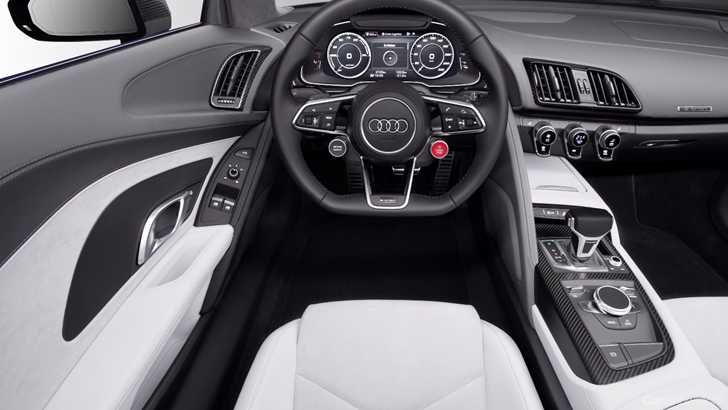
Mertens insists that fully electric Audis will emerge as distinct models that stand individually among their current portfolio, unlike the ‘halo’ approach taken with the original R8 e-tron. A high end sports car will not be hampered by the same kind of cost issues that govern the development decisions of lesser Audis, this means that high-performance 800v electrical systems can be used to open up new avenues to explore feature additions as well as higher performance.
“800v puts a significant extra cost on the bill. We need to evaluate whether customers will be prepared to pay that… In segments like super-sports cars, the answer will be yes, no doubt about it,” he said.
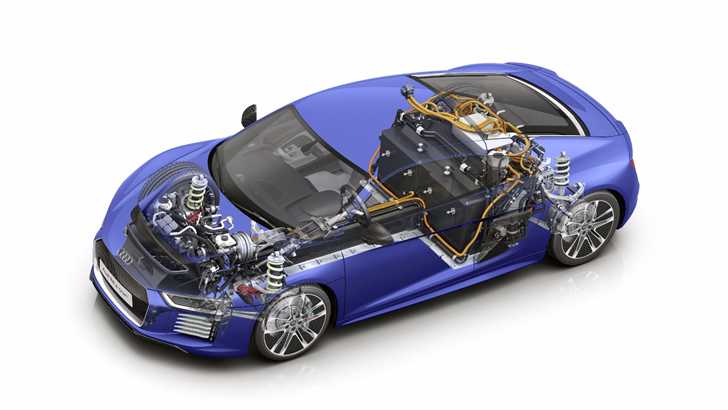
The short lived R8 e-tron used dual electric motors (on on each axle) to generate 340kW and 922Nm of torque with energy derived from a bank batteries able to store 92kWh. Driven more conservatively, Audi claims it was able to travel 450km between charges.
For more on Audi cars, check out our Showroom.