The hitherto conservative mid-size Lexus GS has spawned a ‘wild-child’ – the all-new fourth generation range has buffed-up and looks downright aggressive.
Lexus being Lexus, the newcomer bristles with new technology, including, on GS F Sport, the world’s first two-piece brake rotors and Dynamic Rear Steer (a first for Lexus). All-up the new Lexus GS ramps-up the appeal factor and now compares very favourably with the best Germany has to offer
.
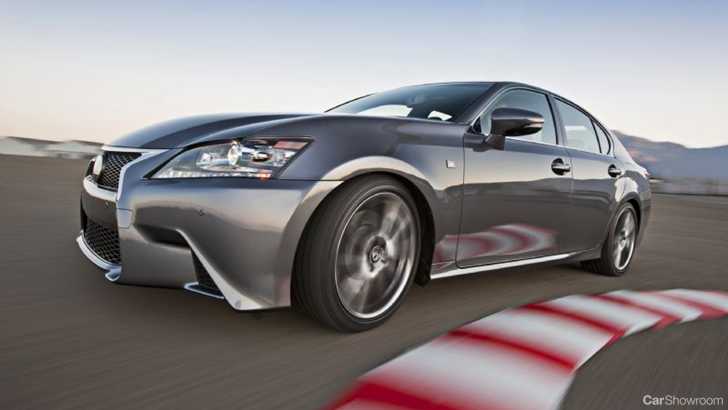
And that’s a good thing as the global luxury sedan market is also ‘down-sizing’ with segment growth coming in vehicles like the Lexus GS, Mercedes-Benz E-Class and BMW 5 Series.
The model lineup is: GS 350, GS 450h, GS 350 F Sport GS 450h F Sport (yes a sports version of the hybrid).
For the 350 and F Sport models, Lexus’ 3.5-litre V6 petrol engine delivers 28 per-cent more power (233kW at 6400rpm), while peak torque is 376Nm at 4800rpm.
Drive is via a new six-speed sequential automatic transmission with high performance characteristics borrowed from the Lexus IS F including steering wheel paddle shifters, downshift throttle blips, faster shift times and an earlier torque converter lock-up. Four driver-select modes alter throttle mapping, transmission shift priorities and variable suspension/stability control functionality.
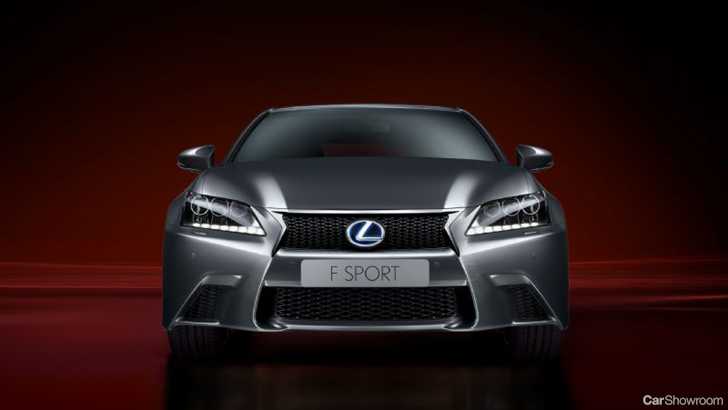
Lexus says the fourth generation GS 350 sprints from zero to 100km/h in 6.0-seconds.
It’s a similar story for the all-new Lexus GS 450h hybrid. The latest development of the Atkinson Cycle hybrid drivetrain runs direct and port injection and the two-motor hybrid system and is good for 252kW - accelerating the hybrid member of the Lexus GS family from zero to 100km/h in 5.9 seconds – one tenth faster than the V6.
Despite these gains, combined cycle fuel consumption for the Lexus GS 450 h hybrid is 20 per cent better than its predecessor at 6.3l/100kms. Lexus says the hybrid GS model’s exhaust C02 emissions should be rated below 150g/km.
But it’s the styling which is sure to capture headlines for the all-new Lexus GS range. The rather soft, conservative curves of the current model are gone, replaced by a bold, aggressive look – and the good news is this precise, sculptured look heralds a new styling direction for the entire Lexus brand.
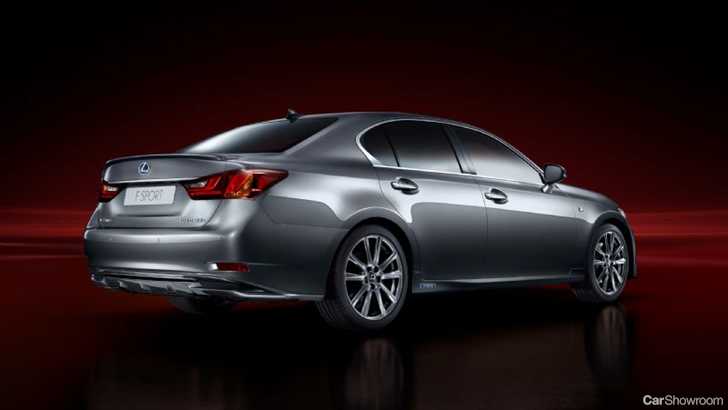
With its new, road –hugging stance highlighted by a muscular rear three-quarter, the all-new Lexus GS looks larger than its predecessor, but in fact Lexus says overall length is only up by around 20mm.
At the front, the new, larger ‘spindle’ grille will become a Lexus staple and combines with the superbly-shaped projector beam headlights and L-shaped LED DRLs to give the new Lexus GS lineup a chiseled, sporty look.
From the side, the low, downward-sloping roofline, relatively small glasshouse, tapered lower rocker panel and those bulging rear wheel arches, with 18-inch or 19-inch alloy wheels, all add-up to a muscly, high-performance sedan on-road presence – not a feature of the previous Lexus GS.
The rear-end runs a tapered boot-line, under-bumper shaping and even fins in the tail-lights for aerodynamic shaping.
Inside, too the all-new Lexus GS steps-up considerably with extra space and a much more contemporary and sporty look highlighted by a broader selection of colours and materials including different wood-grains and brushed aluminium highlights. The F Sport front seats are excellent and, depending on the model, all Lexus GS front seats afford 10,16 or 18-way electronic adjustment which combines with electronic rake/reach adjustment for the steering wheel.
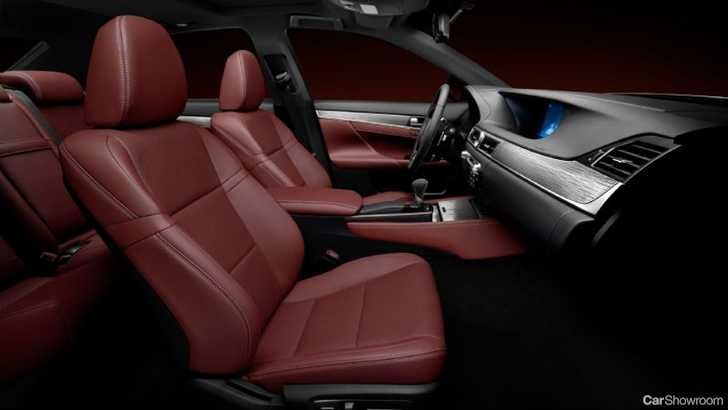
Depending on the model, there is either an eight-inch or an industry-first 12-inch colour screen (the latter with split-screen functionality) for audio, satellite navigation and reversing camera displays – all operated by a new, improved Remote Touch controller.
Audio now includes digital radio and you can select an 835-watt, 17-speaker Mark Levinson system with surround sound.
Boot capacity was a source of criticism of the previous Lexus GS and this has been considerably improved. For the petrol model, luggage capacity is up by 20 per cent to 532-litres 9enough for four golf bags according to Lexus) while relocation of the battery pack in the hybrid has boosted its capacity by 45 per cent to 464-litres.
Suspension is a front double wishbone design, while the rear runs multi-links – both featuring substantial use of aluminium for weight reduction.
A Lexus first is Dynamic Rear Steer (standard as part of the sports suspension on F Sport models). Operating through a range of two degrees, the Lexus system counter-steers below 80km/h for easier maneuvering and positive-steers above that to deliver more rear-end response in cornering.
Lexus Australia chose to unveil the all-new GS range in Melbourne as part of the company’s 10th consecutive sponsorship of the Melbourne Cup. The timing coincided with global reveal of the GS F Sport in Las Vegas at the performance-themed SEMA (Specialty Equipment Market Association) Show.
Although the Lexus GS range does not go on-sale here until the second quarter of next year (so no word on prices), Lexus felt the opportunity of show-casing the new lineup during Cup Week was too good to miss.
“GS represents the beginning of a new era in Lexus vehicle design and driving dynamics and we are certain that it will resonate with potential buyers,” explained Lexus Australia chief Tony Cramb. “Drivers in this segment demand a stylish and luxurious vehicle without compromise, featuring the latest in technology and smart thinking.”
BRAD LEACH


