Volvo and Tesla have differing philosophies over what makes a car ‘autonomous’ surrounding the degree to which drivers are, or should be, involved.
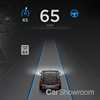
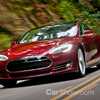
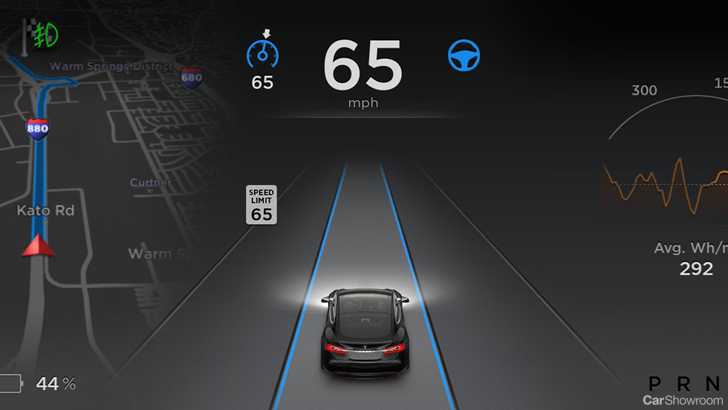
Tesla has their own inroads into autonomous driving that, in practical terms, is more prevalent in the market than some of the more established marques in the industry on account of it already being available on many of its Model S saloons (via an over-the-air software update). It is branded as the ‘Autopilot’ suite, with most of its headline features (such as Autosteer) currently in beta.
While many have lauded the added functionality and the delight of having a new feature added to cars already sold through (via automatic software update), Volvo isn’t so quick to hand out praise.
During an interview with technology website The Verge, senior technical leader in crash avoidance at Volvo, Trent Victor, paints Tesla’s Autopilot system as an “unsupervised wannabe,” – that it is promoting a car that “appears to be autonomous” without actually being able to operate entirely independent of the driver.
The Swedish automaker, renowned for its industry-leading safety technology, has also invested heavily in autonomous driving technology. But the key difference is that Volvo’s goals are more far-reaching than what Tesla’s are currently capable of, and therefore requires far more development time and testing.
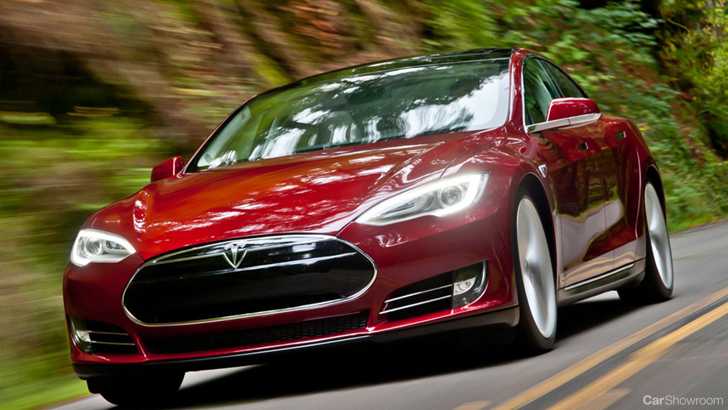
Tesla’s Autopilot function is, as the Californian EV maker claims, of Level 2 autonomous. In short, what that means is that while the car can take over the duties of driving, a driver must still be awake and aware of the cars actions and surroundings should the unexpected happen.
Those ‘unexpected’ situations relegate Tesla’s system to only being tasked with driving under more favourable circumstances, where it can keep the car in the proper lane at an appropriate speed and distance from the car ahead.
Victor argues that this level of automation isn’t a safe solution as drivers would need to always be vigilant, ready to take over to avoid a potential accident. An unrealistic expectation as the driver would likely focus his or her attention off the road and on to other tasks such as carrying out conversations, reading emails or consuming media.
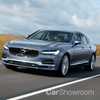
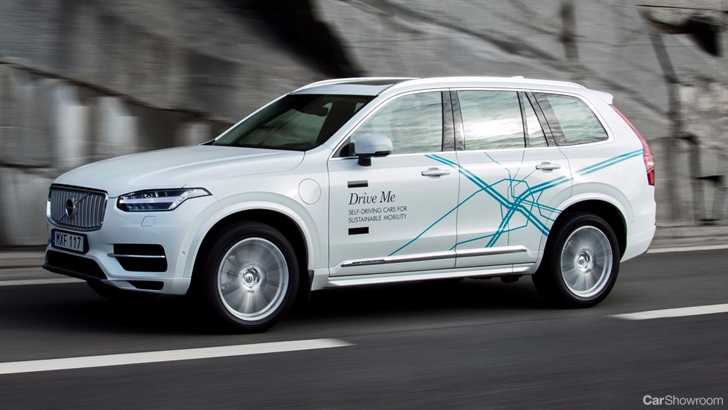
He goes on to contrast that with the system Volvo is developing called Drive Me, one that’s expected to launch as a public pilot in Gothenburg next year, which is a Level 4 autonomous vehicle system. This means that along with the usual task of driving itself up and down a road, it is able to adapt and take corrective or even emergency evasive action when necessary – all without human intervention at all.
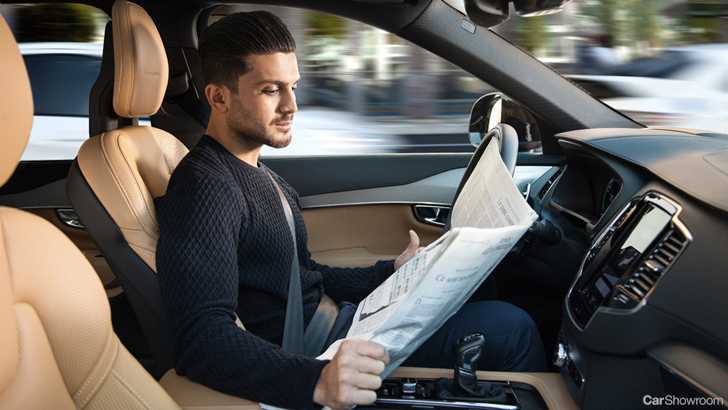
He continues: "In our concept, if you don't take over, if you have fallen asleep or are watching a film, then we will take responsibility still," says Victor. "We won't just turn [autonomous mode] off. We take responsibility and we'll be stopping the vehicle if you don't take over,"
"That's a really important step in terms of safety, to make people understand that it's only an option for them take over," says Victor. Volvo is "taking responsibility both for crash events, and we're also programming it for extreme events like people walking in the road even where they're not supposed to be. There's a massive amount of work put into making it handle a crash or conflict situations."
For the more on cars from Volvo and Tesla, including prices and specifications, check out our Showroom.