KERS (Kinetic Energy Recovery System) has been part of F1 Grand Prix racing for a few years (in fact persistent problems with the KERS system in his Red Bull racer may have cost Aussie Mark Webber a world championship).
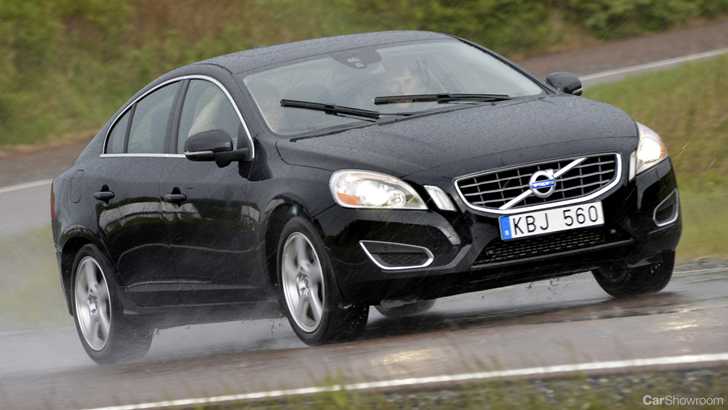
Now comes news Swedish brand Volvo is starting to test its ‘Flybrid’ KERS technology on roads in England.
Part of Volvo’s ‘Drive-E Powertrain’ research program, the KERS system has multiple benefits – performance is boosted and fuel consumption and exhaust emissions are reduced.
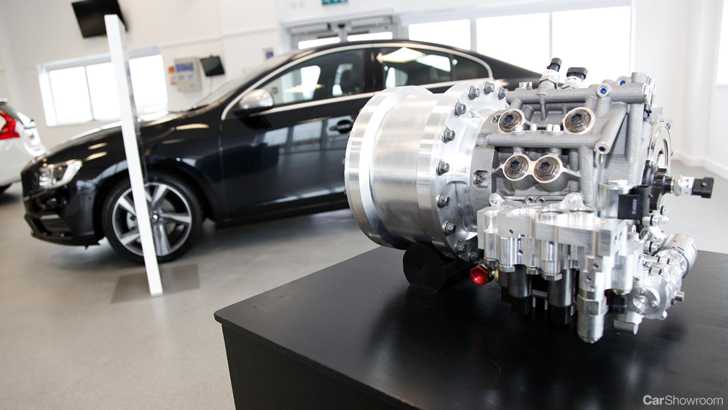
These aren’t ideological dreams - Volvo says its flywheel-based KERS technology has shown over four years of testing that it can deliver around 60kW of extra power while cutting fuel consumption by as much as 25 per-cent.
The partnership between British company Flybrid Automotive and Volvo is claimed to be the first full-scale trial of a rear axle-mounted flywheel.
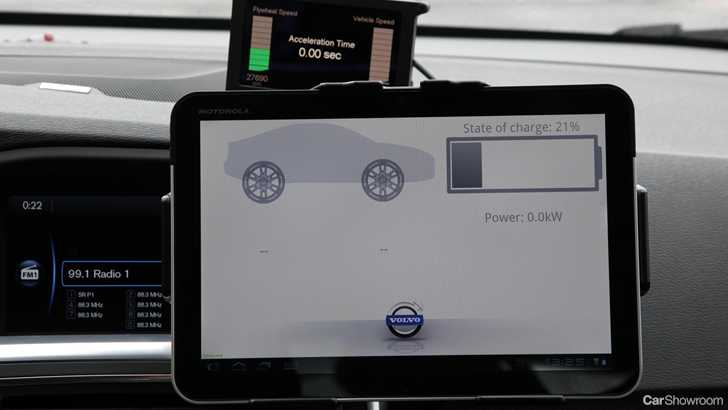
Currently fitted to a Volvo S60 T5 test car, kinetic energy which would otherwise be lost as heat under braking is transferred to the KERS where it is used to spin a 6kg carbon-fibre flywheel at up to 60,000rpm. When the car resumes movement, energy stored in the spinning flywheel is transferred back to the rear wheels via a specially-designed transmission and can either boost power or reduce load on the engine.
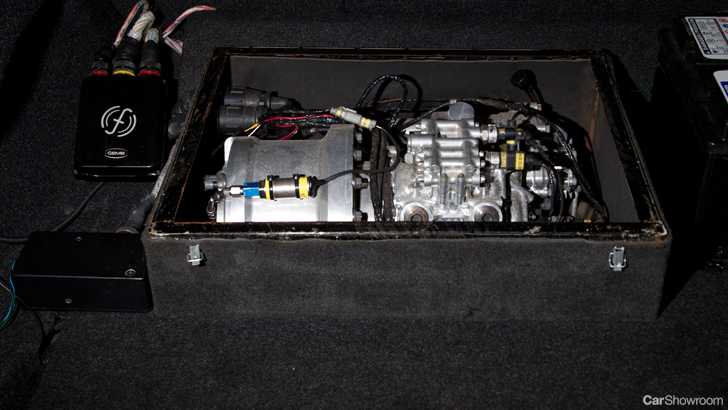
Part of the fuel savings story comes from the internal combustion engine driving the front wheels being switched off as soon as braking begins. The energy in the flywheel can then be used to provide acceleration when it’s time to move again or power the vehicle at cruising speed.
According to Volvo Car’s powertrain boss Derek Crabb, in testing so far the KERS system has proved to be so efficient, the internal combustion engine is actually switched-off for around 50 per-cent of the total driving time.


