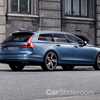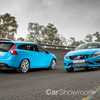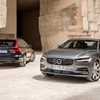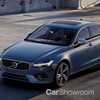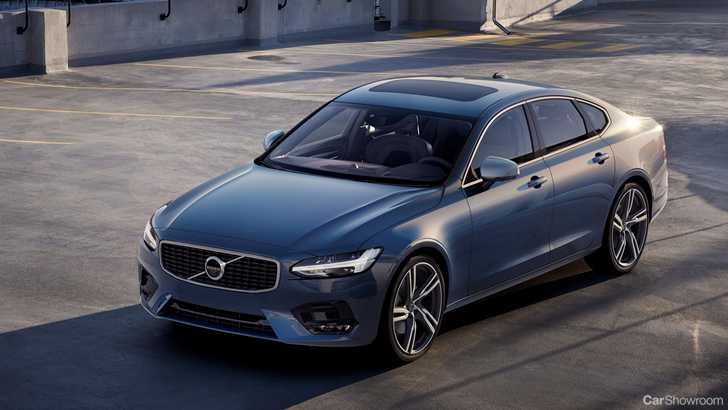
The world won’t get to sample full Polestar (i.e fast) versions of Volvo’s S90 and V90 until the tail end of 2017 at the absolute earliest, but following that eventuality is what could be a significant shift for the Swedish division: an embracing of hybrid technology as a key performance differentiator.
The move would a very logical next step for Volvo as they have recently been more reliant on petrol-electric drivetrains to increase everyday efficiency as well as boost the car’s performance potential.
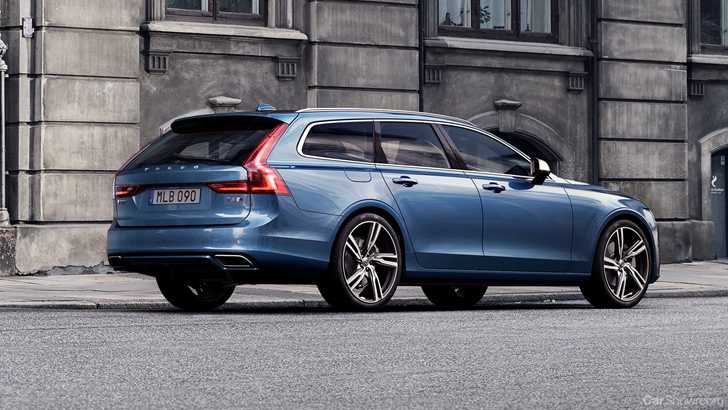
According to an Autocar report, this will also help the Polestar sub-brand to grow as an established performance arm to Volvo’s luxury focused premium image. Importantly, it will help it be perceived differently from other performance offerings such as Audi’s RS, BMW M, and Mercedes-AMG.
While all three of those major competitors have integrated hybrid technologies into their other cars, they have left it out of their most high performance models, opting to stick to the tried-and-true drivetrain formula of more power from combustion engines with more cylinders and greater displacement, as well as forced induction being unavoidable now.
Hybrid powertrains are more complicated, however, and the rollout will therefore take an expectedly longer time. Having said that, it’s suspected that high performance Volvos bearing the Polestar badge will be arriving as early as 2018.
Speaking with the UK motoring publication, Volvo UK’s managing director said: “Polestar is going to come out with something very exciting and a little bit different. We think it is going to shake up the market.”
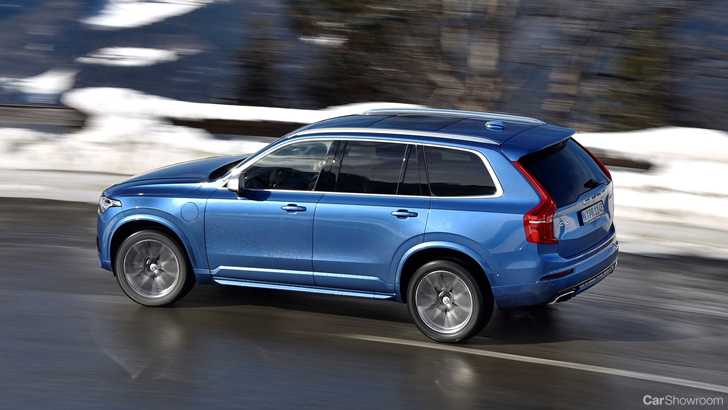
Their hybrid T8 Twin Engine already impressed us in the XC90 and will surely continue to a popular option in the S90 and V90, though it’s its performance potential that’s worth mentioning here. Specifically, the power it can generate and how easily it can serve it to the driver.
In the plug-in hybrid XC90, the T8 uses a 2.0-litre petrol four-cylinder that is both supercharged and turbocharged to 234kW and paired with an electric motor (plus lithium-ion battery pack) to generate a combined output of 300kW and a chunky 640Nm of peak torque from virtually zero revs.
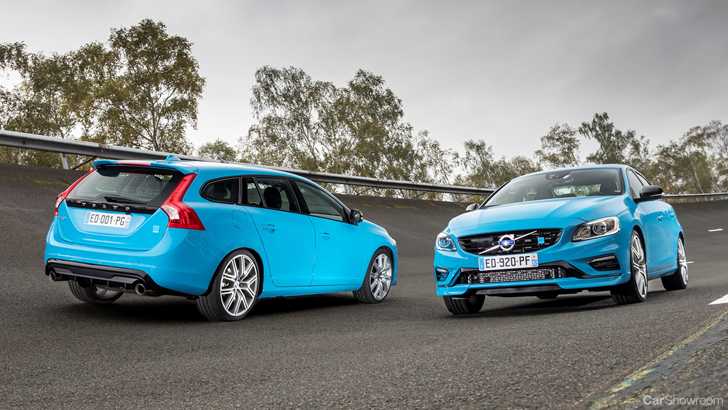
Volvo has previously displayed interest in optimising the T8 powertrain for use in a high performance 90 Series non-SUV model. In the current line-up the S90/V90’s T8 uses a detuned version of that engine, but left untouched with XC90 output settings, it could endow Volvo’s smaller cars with sports saloon levels of thrust.
For more on Volvo vehicles, including pricing and specifications, check out our Showroom.