Volkswagen may choose to make particulate filters (the kind that are typically fitted to diesels) on some models of their cars with petrol engines starting in 2017 in order to meet stricter emissions regulations in Europe in the wake of the ‘dieselgate’ scandal that broke last September, from which VW is still in the midst of recovery.
The report came via Automotive News, citing an announcement made by Volkswagen AG’s CEO Matthias Mueller at their annual meeting last week in which Europe’s largest automaker revealed it’s plans for a more environmentally conscious powertrain approach.
This plan to include particulate filters on petrol engine cars isn’t all that drastic, and in fact mirrors what Mercedes-Benz has also announced to be a standard fitment in certain petrol vehicles.
The move is a result of, yes, stricter EU emissions regulations as well as the nature of newer direct injection turbocharged engines. While they do consume significantly less fuel, they in fact do emit more pollutants than the older port-injection method.
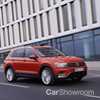
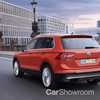
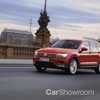
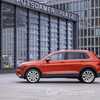
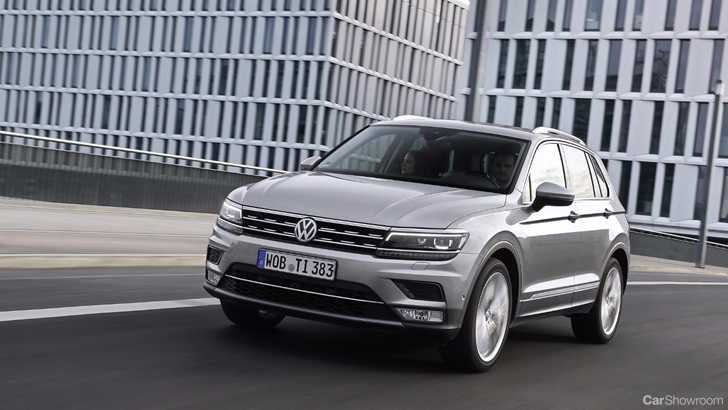
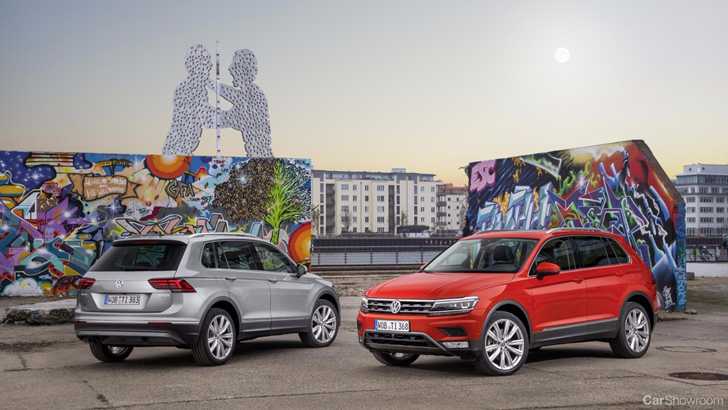
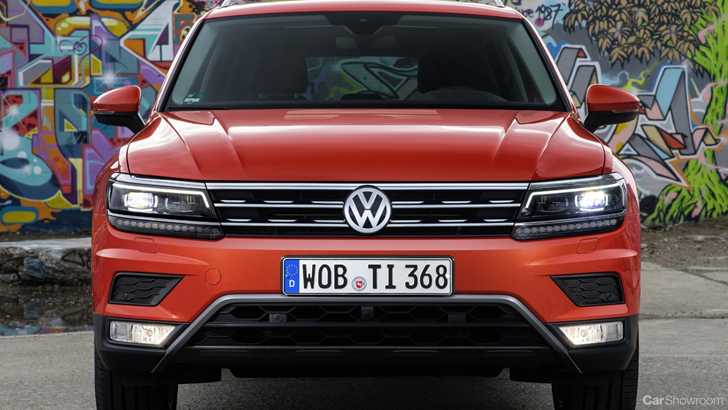
The report indicates that as of mid 2017, Volkswagen will begin initially by fitting their new Volkswagen Tiguan (1.4-litre TSI) and the Audi A5 (2.0-litre TFSI) with these filters, just prior to the new particulate emissions limit being enacted by the European Union.
Currently, regulations stand that allow particulate emissions of up to 10 times higher than what the new limit will be in 2017, leaving automakers with little option but to devise new ways to meet the upcoming standard. Luckily, particulate filters have been in use for years in diesel vehicles and can yield similar emissions level reductions when fitted to petrol engines.
At this point, it’s unclear whether Volkswagen will elect to keep particulate filters as standard for all cars or just those specifically sold within Europe.
For more on Volkswagen vehicles, including pricing and specifications, check out our Showroom.