Will continue their efforts in a “limited way” elsewhere.

Following a tragic accident that saw one of its autonomous cars strike and kill a pedestrian, mobility company Uber will be killing its autonomous vehicle testing program in the state of Arizona. With that decision, the company has laid off some 300 staff (or ‘vehicle operators’) and they aim to realign their efforts to work better in other states.
The incident with the pedestrian took place two months ago, and is still under investigation by the Tempe, Arizona police department as well as the National Transportation Safety Board. Uber reached a settlement with the family of Elaine Herzberg, the victim of the traffic accident, two weeks after the accident itself.
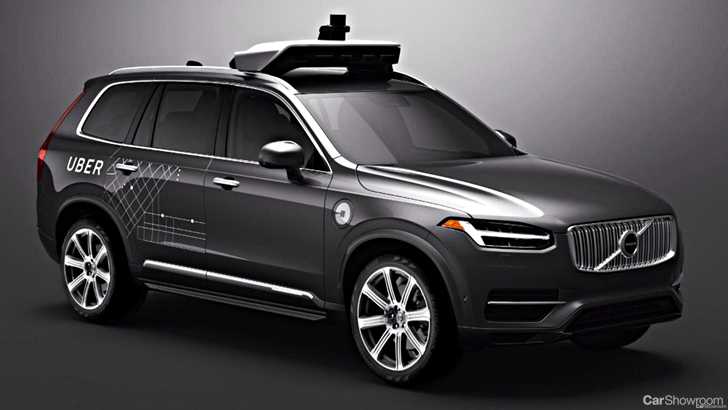
Uber intends to restart its autonomous car testing project in other cities, though those will have to wait until the investigation in Tempe has been concluded. However, Uber says that they will be operating in a “much more limited way” according to an email obtained by ArsTechnica, though it’s unclear exactly what that means.
The company has released a statement to the media that reads:
“We’re committed to self-driving technology and look forward to returning to public roads in the coming months. In the meantime, we remain focused on our top-to-bottom safety review, having brought on former NTSB Chair Christopher Hard to advise us on our overall safety culture.” — Uber
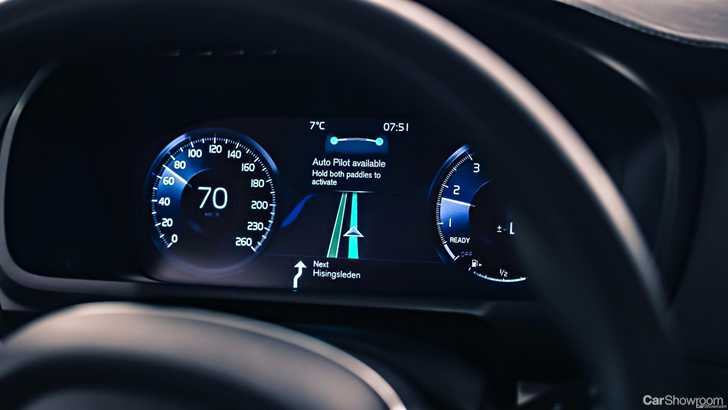
The accident in Tempe has revealed quite a few of Uber’s rather nasty secrets. In order to remain competitive with the industry, which has accelerated its efforts towards vehicular autonomy, Uber cut corners. A reduced number of sensors were fitted to their Volvo XC90 test cars, and they also reduced the number of vehicle operators in the car, from two per car to just one, which undoubtedly increased risks should the car fail to function flawlessly.
There are wider ramifications, too. Following the Tempe accident, trust in autonomous cars and self-driving systems are lower than they have been in the past, with more consumers being more cautious around the idea of such technology. While there’s little question that autonomous mobility is the future of the industry, it’ll be interesting to see how the industry reacts to recent developments and accommodates the newfound distrust that consumers harbour.
Stay tuned to CarShowroom as we bring you more updates as they come.