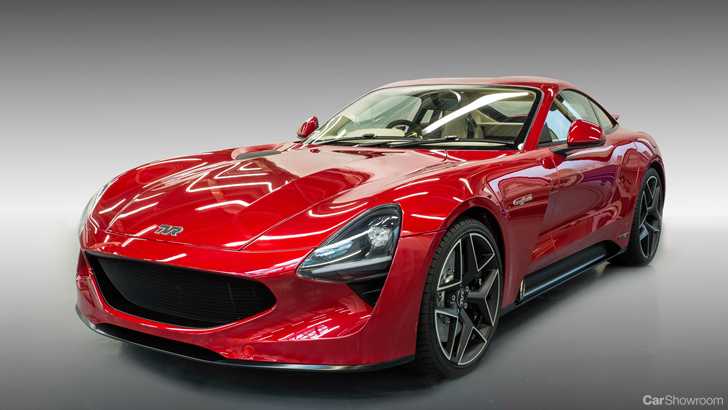
TVR’s modern resurrection, or at least this latest one, hinges on an all-new model that will capture their old school appeal of the raw, loud and enigmatic cars past, but marrying that with present-day technology and comforts. After a protracted period of teasers and sneak peeks, this all-new British sports car has finally stepped into the light of day.
New money has driven the development of this new but old up-and-comer, adopting the front-engine, rear-drive layout with a big engine, compact dimensions, and light weight for a refreshingly unfiltered (but often dangerous) driving experience. And they’ve tapped one of the most important cars in their history to lend this revival model its name: Griffith.


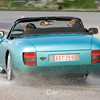
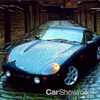
The Greek moniker was most fitting of 1992 machine, though it was originally plastered on a TVR first in 1963. The 90s follow-on was one that went on to father many derivatives within the TVR stable for the decade and a half that followed. Like the model it now seems to succeed, this new Griffith uses a naturally aspirated V8 engine tuned by Cosworth.
Specifically, this motor is sourced from Ford and is the same Coyote unit they slot into the Mustang GT. It’ll output 373kW and likely well above 550Nm which, in a package that weighs approximately 1,250kg, should be quite beastly behind the wheel. That power is shuffled to the rear wheels via a manual transmission, of course, and according to Top Gear, is potent enough to have it reach 160km/h from a standstill in just 6 seconds. Blimey.
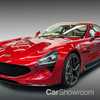
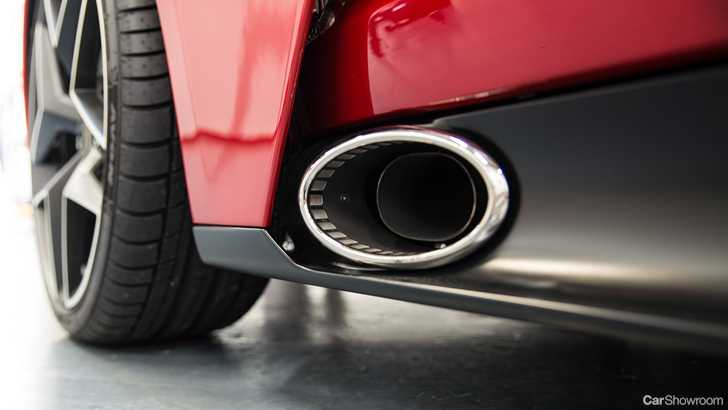
The styling is, well, a couple of notches toned down from the last TVR model to launch before the company went under, the Sagaris. Proportionally, it’s a dead ringer for something British and quite silly. In the deep red seen here, though, it does wear overt styling cues rather gracefully, and we’re reminded of the McLaren 720S integrated air scoop with headlamp by front design used on the Griffith, and the side exhausts are just classic TVR.
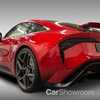
To the rear, the car isn’t subtle by any means but it does remain logical in a way that many TVRs in recent memory just haven’t been. The tail lamps are where we expect them to be and the spoiler is of a common shape and even folds into the body to reduce drag. Rounding it out is an absolutely menacing diffuser.
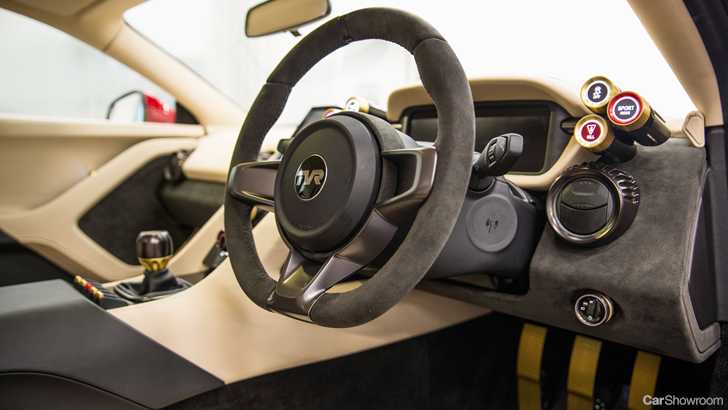
Open the door and the interior is revealed to be predictably cramped, but is quite minimal and wrapped in a pleasant mix of dark grey Alcantara cream leather. The buttons seem to be placed by someone with some sense of ergonomics and cognitive pattern matching, which the older cars wilfully ignored, and it all looks quite promising.
At this stage only one picture showing the cabin has been released, so we can’t comment all that much about the Griffith as a place to sit, but we think we do see some Ford bits being used, such as the air conditioning vents and indicator stalks.
The instrument cluster is digital instead of analogue here, using a wide LCD instead of physical gauges, and there’s what looks to be a decently large infotainment screen at the very top of the centre stack. Hopefully it’ll come with modern amenities too such as a decent sound system and satellite navigation.
Make no mistake, though, TVR is still the same somewhat obscure British sports car maker they used to be, so expect their production output to reflect this. The company says that they’ve allocated the first 500 units as launch editions, which come with exclusive customisation and probably a few equipment upgrades.
Past that point, though, interested buyers will have finer control about what exactly they’ll want to include and, importantly, exclude from their own cars. It’s likely that availability will be as much an issue as before too, with it expected to be confined to the UK and certain European countries before venturing to markets beyond. Production should begin in mid to late 2018 and customer deliveries in early 2019. Prices for those early cars are expected to hover around £90,000, so we’d better start hunting for change.