A few days ago, Tesla’s CEO, Elon Musk, revealed the roadmap to which the EV maker will use to plot it’s philosophical and product course over the next half decade at least (it depends). He posted this for all to see on the Tesla website, calling it ‘Master Plan, Part Deux’.
He began by summarising the first part of the plan that over the course of the past 8 years or so since the public unveiling of their first car, the Roadster in 2008, we have seen play out.
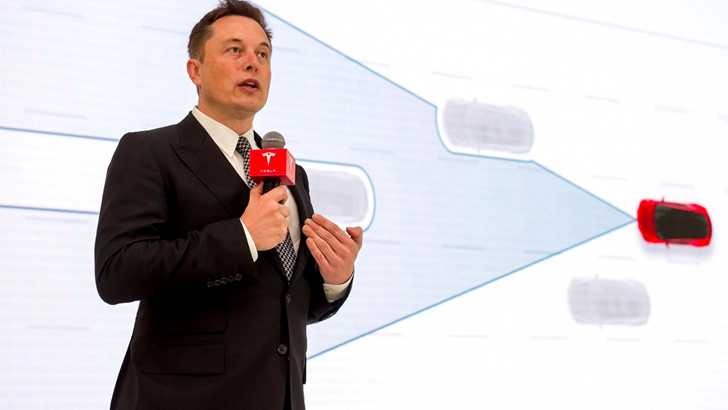
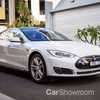
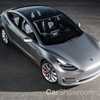
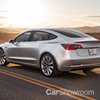
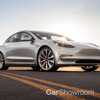
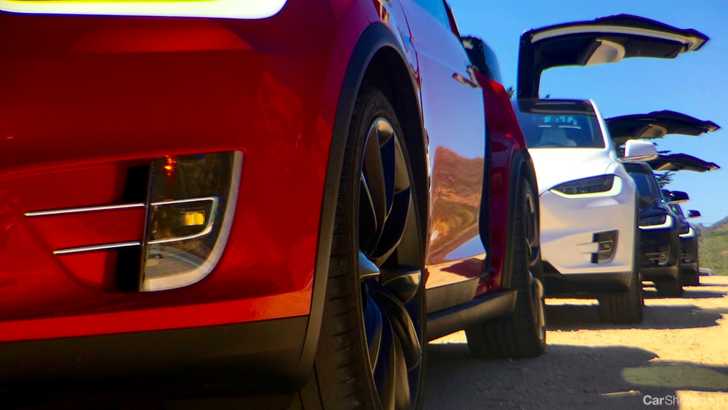
In a nutshell, to first build a low volume expensive car (Roadster), use the money from that to create a less expensive and medium volume car (Model S, Model X), then use the money from that to build a high-volume car that’s more affordable (Model 3).
Those goals seem simple enough, worded in that way, but when Tesla first got it’s start that plan seemed a much tougher sell to potential investors. Now, though, with all but the Model 3 in full-scale production, Musk’s ‘part two’ ambition for Tesla is seems even more far-reaching for us dwelling in 2016.
The new plan surrounds Tesla’s merging of their new acquisition, SolarCity, using the Tesla brand to expand into offering integrated energy solutions, something they’ve dabbled with when they introduced their Powerwall last year, but catering to other vehicles such as trucks and buses and not just passenger cars or even their own future vehicles.
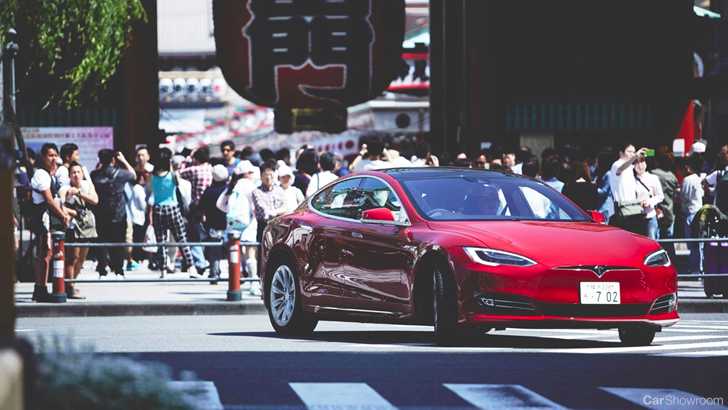
Secondly, Tesla will continue to lean heavily on the development of their autonomous driving technology – dubbed Autopilot – to achieve these ends, improving it steadily though fleet learning. For example, future Tesla owners would presumably be able to share their car with others when not in use.
This self-driving vision also allows for truly intelligent vehicles of the kind that can forgo a driver entirely and be able to be summoned to and from a location with passengers or nobody at all, not even in the driver’s seat. According to Musk: "When true self-driving is approved by regulators, it will mean that you will be able to summon your Tesla from pretty much anywhere.”
The Solar City connection goes deeper still, with Tesla banking on the rapid development and roll out of a new Powerwall-type product that consists of a next-generation battery that hooks into an integrated home solar panel roof array, selling the whole stack to urge more and more people to use renewable energy.


At it’s core, though, the Tesla brand will branch out into a company that encompasses as many facets of the clean electricity lifestyle. It hasn’t forgotten about its car, mind you, and will in the near future reveal a compact SUV, an electric pick-up, and even commercial-type lorries and buses, described as “high passenger-density urban transport”.
Tesla and its CEO, for all it’s ambition and verve, has to focus first and foremost on delivering on the final phase of that first Master Plan when the Model 3 rolls off the production line in the tail end of 2017.
For more on Tesla vehicles, including pricing and specifications, check out our Showroom.