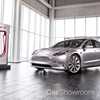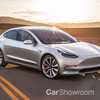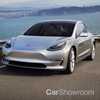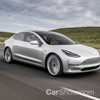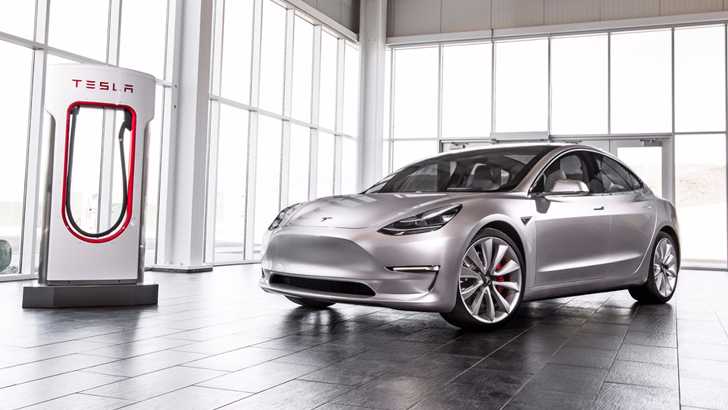
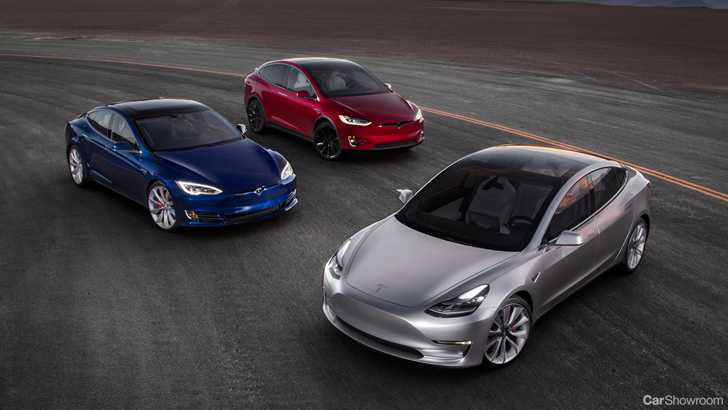
In the Model 3, Tesla’s big play to supply the world with an affordable, desirable electric car is coming to fruition with a flood of pre-orders and consumer interest. Aside from the question of whether or not they can pull it off and meet the early 2018 delivery timeframe, buyers are still in the dark on the car’s exact specifications.
In a recent tweet, though, CEO Elon Musk shed some light on the situation.
The only real questions pertain to what kind of performance can we expect from the smaller Tesla sedan and, corroboratively, what capacity battery will be offered? The unexpected reveal from Musk disclosed that the 3’s battery pack cannot match the 100kWh on its other models.


Currently, they offer a base capacity of 75kWh and a mid-tier 90kWh option for the Model S and Model X.
Simply put, the wheelbase of the Model 3 just doesn't provide the engineers with enough space to squeeze that many cells in between it. Both the S and X have more real estate between axles, allowing the 18650 battery cells to reside, translating to the maximum 100kWh capacity.
Perhaps, then, the largest battery we can expect for the Model 3 is in the region of 90kWh or perhaps a little less than that - at least in the first iteration. Developments in lithium ion tech could mean cells can be further miniaturised for better packaging efficiency.
However, Musk said in another tweet that there are no current plans to take the Model S or X beyond a 100kWh capacity battery. Should Tesla be exploring other means to extend range, they might be investing in making lighter batteries in addition to lighter cars. Software optimisation can also play a large role in conserving energy during a journey and energy retention over a long period.
For more on Tesla vehicles, including pricing and specifications, check out our Showroom.