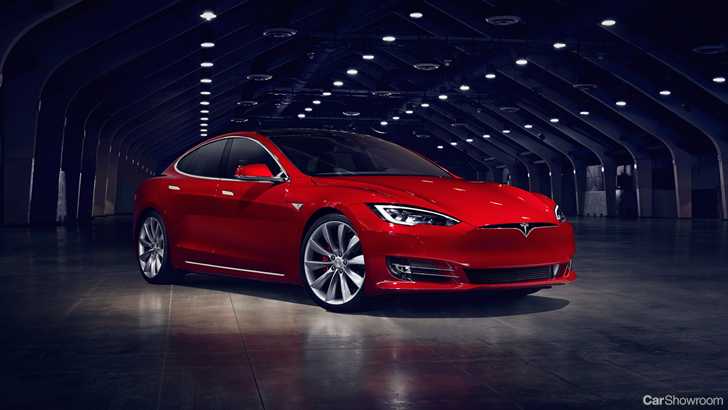
Tesla Motors has launched a new entry level version of their Model S called the 60, denoting its 60kWh battery capacity. It will be on sale in Australia at a starting price of $108,300, but after factoring fuel savings and tax incentives, Tesla boasts it actually costs around $94k.
The rear-wheel drive Model S 60, like any other in the range, will also come with motors as an option that takes the the starting price to $108,000 in becoming a Model S 60D.
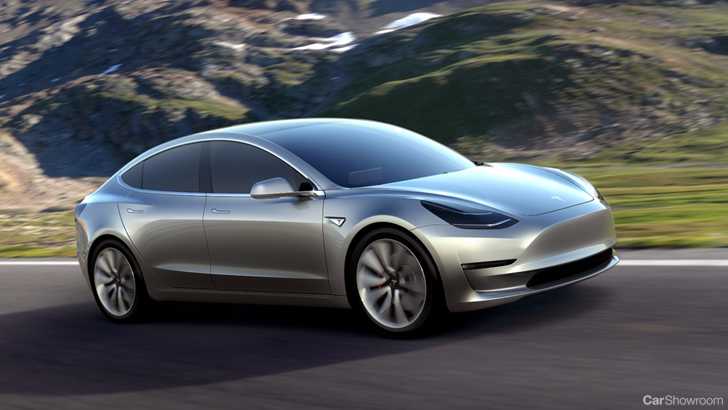
The Model 3’s arrival at the end of 2017 will eventually bring the upfront cost of owning an all-electric Tesla down even further but right now, the Model S 60 is the most affordable car they sell.
Despite that, its performance credentials haven’t been marred by the lower capacity battery. To start, Tesla quotes the Model S 60’s maximum range at 400km (NEDC estimated), which is impressive, but also is able to dispatch a 0-100km/h sprint in 5.8 seconds and tops out at 210km/h.
On that battery, however, Tesla says that owners (either at the point of sale or later) can opt to ‘upgrade’ the battery in their Model S 60 to a 75kWh pack, boosting range and performance. This is all done through software, mind you. This will cost an additional $12,800, or $13,500 after delivery.
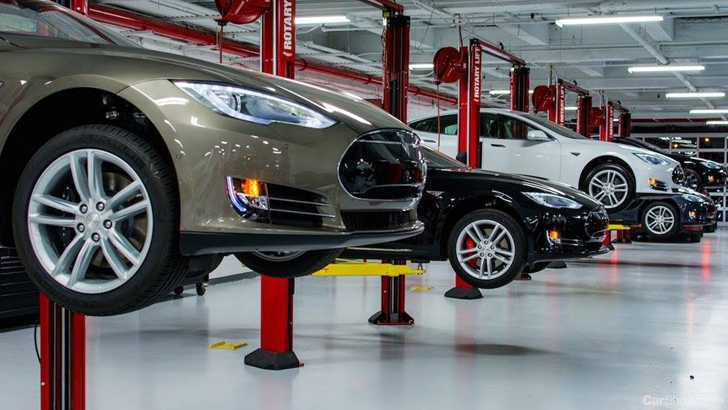
They've done this before.
This means that every Model S 60 already has a 75kWh battery built into it, but is capped to 60kWh and its full capacity made available only once the owner pays Tesla for the upgrade – or ‘unlock’.
It really depends on how you see their practice of intentionally withholding technical capabilities. Some car companies choose to cap your top speed and charge you for removing the limiter, Tesla instead caps battery charge capacity.


