Munich-based mobility provider, Sono Motors, has successfully raised 53 million Euros or 86 million Australian dollars from a crowdfunding initiative during the months of December 2019 and January 2020 for their EV program.
The 53 million Euros raised by Sono is actually some 3 million over the company’s initial target. According to their website, they managed to raise 50 million Euros in 50 days, which is impressive. This feat allows them to start production on their Sion solar-electric vehicle (SEV). But the German EV company will not be building the Sion themselves nor in Germany.

Sono has contracted National Electric Vehicle Sweden (NEVS) to build the SEV at its factory in Trollhättan, once the home to now-defunct manufacturer Saab with production set to get underway in late 2020. Sono plans to produce 260,000 units over an eight-year period and claims to have secured over 13,000 pre-orders.
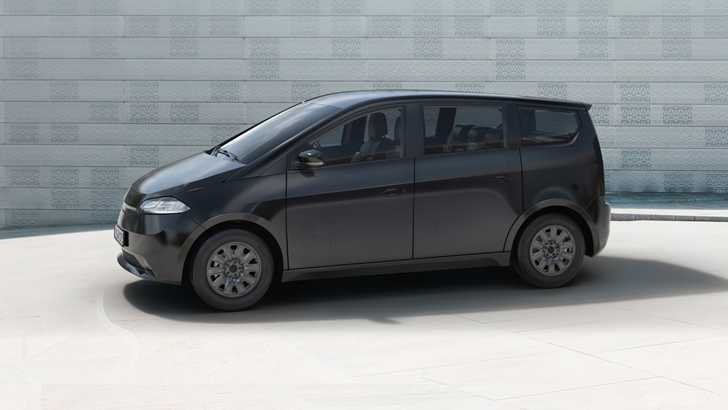
The Sion generates power from a layer of monocrystalline silicon cells which can even produce energy under cloudy skies and or in the shade. The bonnet, fenders, sides, roof and rear of the vehicle have solar panels in them. This means under ideal conditions, the solar cells will add 34 kilometers of additional range. At peak performance, the solar cells can generate up to 1.2 kW. The company says the Sion has a range of 255 kilometers when measured against the WLTP cycle.


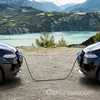
Furthermore, A bidirectional charging function enables the Sion to both receive and supply electricity, power electrical devices independently, and feed energy to other vehicles or into the electricity grid. It’s basically a powerplant on wheels.
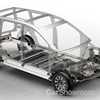
The lithium-ion battery pack has a capacity of 35kWh and features liquid cooling for the battery pack. This then feeds a three-phase synchronous motor which produces 120kW and is mated to a single-speed transmission that drives the front axle. The Sion performs the century sprint from rest in under 9 seconds and will hit a top speed of 140 km/h, claims Sono Motors.
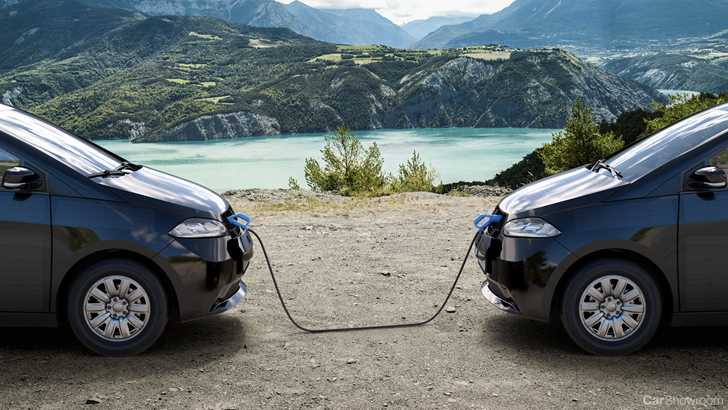
The SEV can be charged up at nearly any charging station in Europe using one of three different charging methods: SchuKo, Type 2 and CCS. The SchuKo or European Household Plug can replenish its battery pack in about 13 hours. The Type 2 gets an 80 percent fill done in 2.5 hours while the CCS rapid charging station will supply the battery pack with 80 percent charge in just 30 mins.
Elsewhere, the Sion comes equipped with ABS, driver and passenger airbags and Electronic Stability Program. The German EV maker also goes to say that their 1,400kg SEV is capable of towing up to 750kg.


For its market launch, the Sion will be rolled out in one single variant costing 25,500 Euros. There are plans afoot to develop other vehicle models based on the vehicle’s platform. Deliveries of the Sion are slated for 2022.
Watch this space for more updates on the Sion SEV. For the best deal on your next brand new car, please visit our Showroom.