But weight reduction is their #1 priority right now.
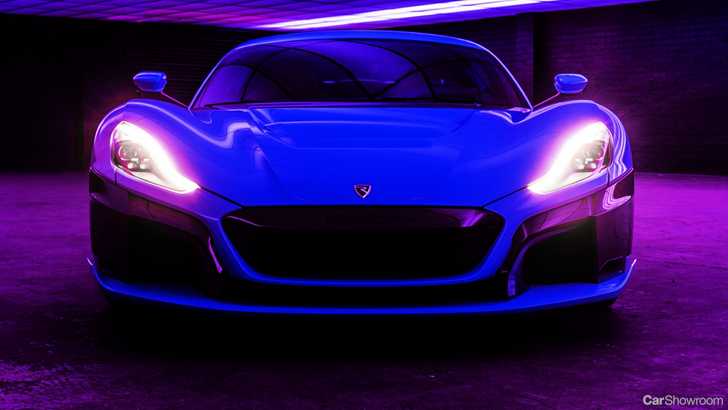
In the last ten years, Croatian firm Rimac has come a very long way. What started out as one guy tinkering on his BMW 3-Series has quickly evolved into a hypercar-producing, cutting-edge firm producing a small number of lightning-quick machines, and it’s all thanks to that one guy and his E30.
Mate Rimac and his eponymous firm exploded onto the scene back in 2011, when they announced their 913kW/1600Nm Concept One, which made it the single fastest electric hypercar on the planet. But with 8 of those made (and one crashed) and another two more stripped-out track-focused Concept S models settled, he’s got his sights set firmly on bringing the C_Two to market.
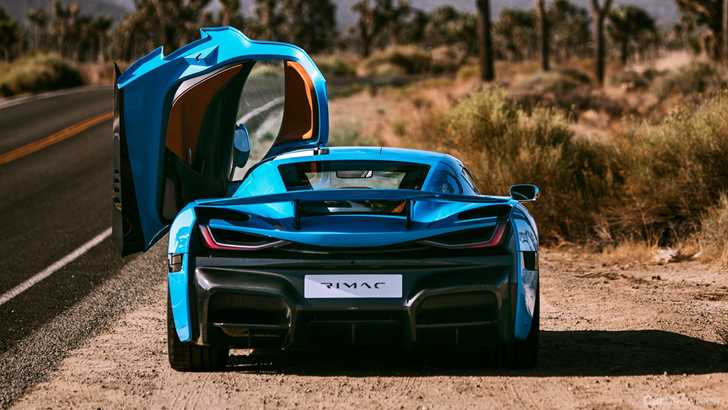
We’ve seen quite a bit of the C_Two already, with the car having already been revealed at last years’ Geneva Motor Show. This time packing 1,408kW and a range just shy of 650km, it’s no wonder that the 150-unit production run was sold out in just under three weeks, despite the price-tag of near-as-dammit €1.8-million.
But it seems that while the C_Two is well on the way into production, there are some hurdles that need to be overcome. For starters, Rimac said in an interview with American rag Road & Track that the current C_Two is “quite above the target weight,” and so they’ll go about replacing 222 milled aluminium chassis inserts with 3D-printed titanium ones to shave a few grams. And while that brings an increment to price on a car that is (allegedly) pretty low-margin, the other issue that exists is that of time, as they have only a couple of months or so before the whole project gets locked in as the first of the 30 prototype models head into crash-testing.
The first major beneficiary of the C_Two project isn’t actually Rimac themselves, but Indian-owned Italian firm Automobili Pininfarina. A US$91-million deal between Pininfarina and Rimac concluded with the former company gaining access to the technology featured in the C_Two, like the chassis & powertrain innovations, allowing Pininfarina to go nuts with the aesthetics. That’s resulted in the jaw-droppingly pretty Battista, as well as a financial lifeline for Rimac to continue their work on their own car at full speed.
About 200 engineers are working full-time on the C_Two, to shave that weight and prepare the crash-testing and homologation prototypes soon. With the current momentum, the C_Two’s tooling should be ready about 18-months ahead of the first customer delivery, ensuring that the new-manufacturer niggles and quirks that existed with the Concept One don’t crop up again in the C_Two.
For the best deals on a new car, check out our Showroom.