Germany has new legislation on the books that, if passed, would require all future autonomous cars be equipped with a steering wheel and an on-board aviation-style ‘black box’ data recorder for analysis after a malfunction or accident.
Not only that, but the new law would make it illegal for drivers to move away from the steering wheel while the autonomous system is engaged, needing to be alert and ready to take control back from the car’s AI should an emergency situation present itself.
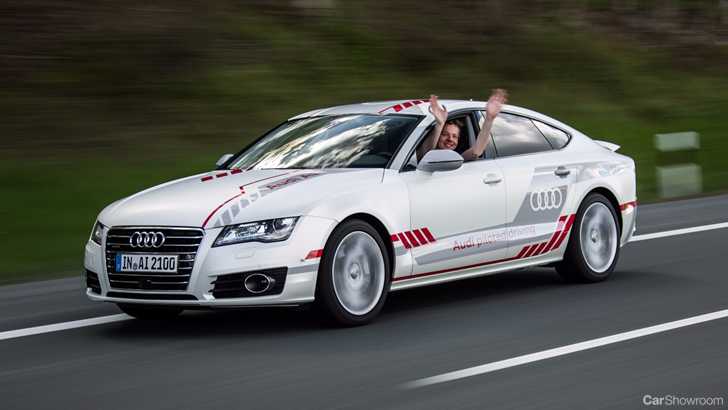
A Reuters report indicates that this would bar vehicle manufacturers from exploring the path of full vehicle autonomy, requiring the driver there at all times in a supervisory role despite an autopilot-like feature engaged.
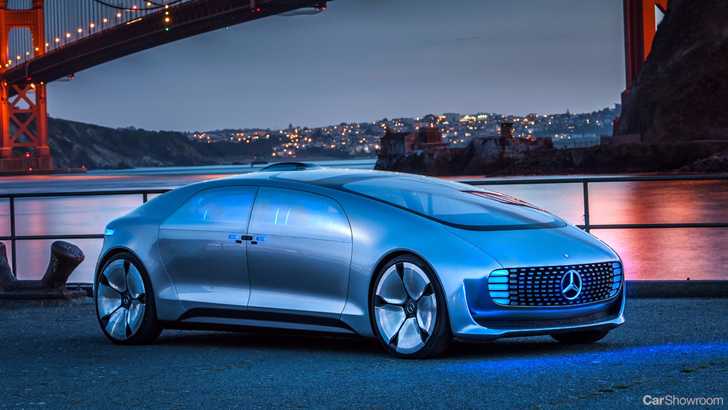
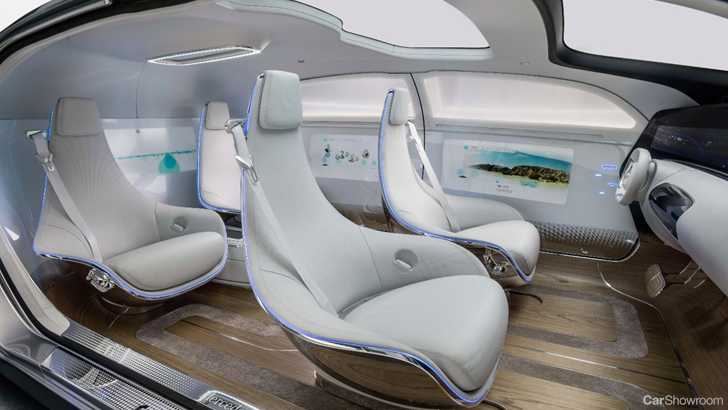
This is an about-face for some automakers and technology companies which envision a future where cars operate independently of a driver, transforming cars into roving lounges and the business of commuting into time for unobstructed social interaction or for productive activities to take place.
The report cites German transport minister Alexander Dobrindt being the source of this new legislation proposal, and follows a similar law brought up for approval in California which immediately drew controversy among both automakers and technology companies, who argued for the deliberate loosening on autonomous vehicle technology to spur on growth in this field which can result, globally, in a dramatic reduction in vehicle-related deaths and injuries, an end to congestion in major cities, and consequently a drop in carbon emissions and air pollution.
Although the ‘black box’ idea carried equal weight in the German transport minister’s proposal, many cars fitted with computer systems advanced enough to carry out autonomous driving will likely already have myriad ways to store location and vehicle parameter data.
The argument now, from a privacy standpoint, lies in where the line is drawn to make that information readily available to vehicle manufacturers or the authorities.
Of all the different takes on the problem of autonomous vehicles, Google and Mercedes-Benz have demonstrated most clearly it’s intent on realising the fully driverless car, with a steering wheel only present as an afterthought or not at all.
Volvo, on the other hand, and its ideas on vehicle autonomy, seem to be more-or-less in-line with the new German proposed legislation – for now, at least, in this period where the technology is still nascent.
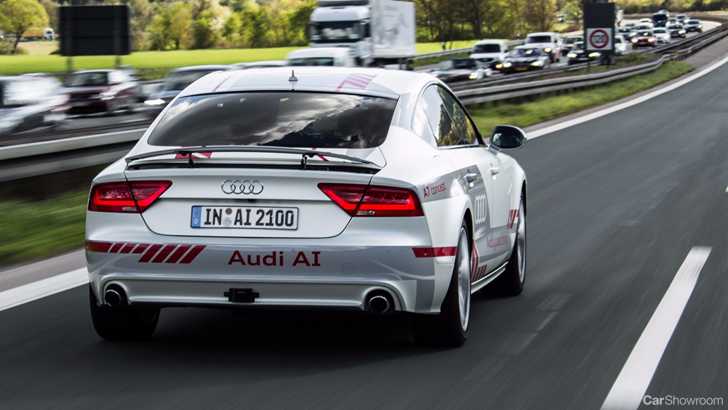
Its system, which is somewhat in alignment with what Audi is planning to offer, requires the driver to be seated in the usual place and is only allowed to engage the car’s autonomous mode in certain situations which do not include densely populated urban areas.