For electric cars to really get into their stride and win over enough buyers to reach critical mass and topple combustion engines, charging systems will have to bridge the gap between the convenience of spending a few minutes at petrol station and the hours and hours of spent plugged into the mains.
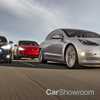
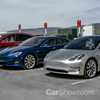
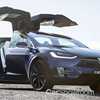
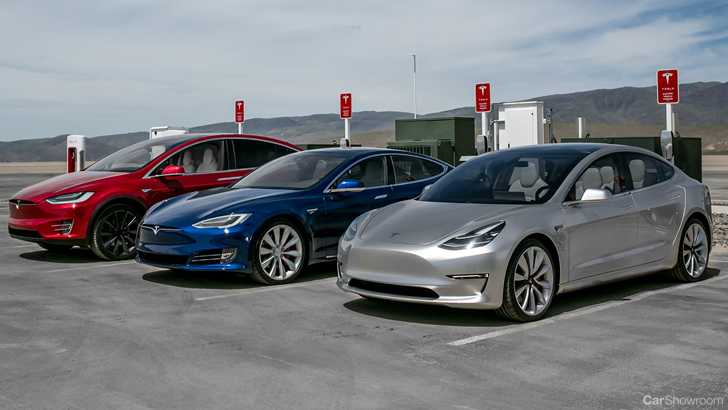
Tesla’s solution of establishing fast ‘Supercharger’ charging stations in urban areas have made progress, but still takes much longer than filling an empty tank with petrol or diesel. For buyers of the Model S or Model X, access to this Supercharger network, which now spans multiple countries, is included in the purchase price. However, for the California EV maker’s cheaper Model 3, buyers will need to cough up more money for the same privilege.
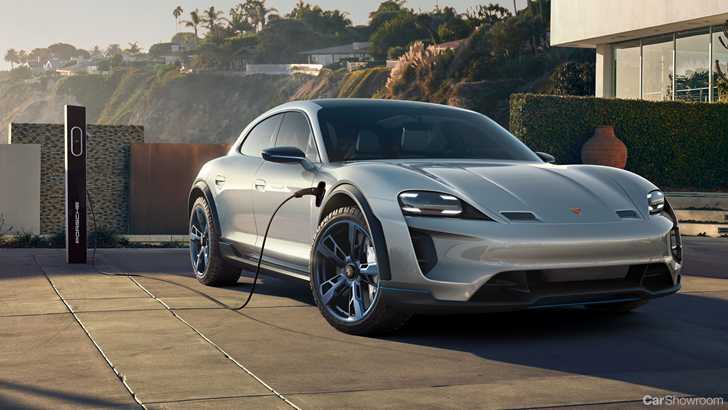
From the get-go, Porsche says that their own network of fast chargers will not be a package deal with their upcoming EV, but rather a subscription service would-be owners will need to renew each month, or annually, according to Electrek.
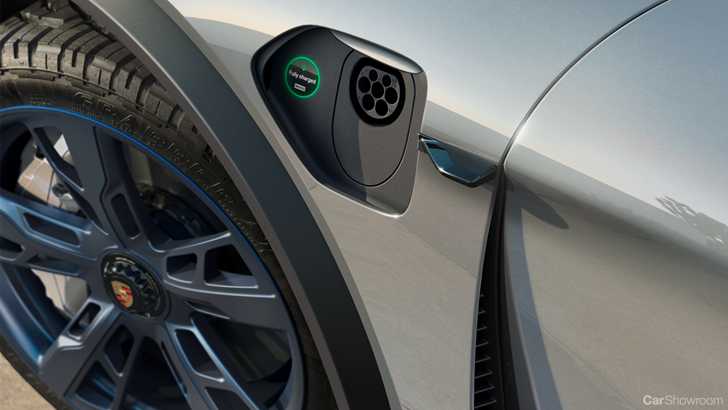
It’s unclear how they intend to roll out these 320kW DC fast chargers to ubiquity, but at least in the short term will be rolled out to every Porsche dealership in North America and Europe within the first few years following their EV’s production debut, taking advantage of the car’s 800-volt electrical architecture.
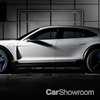
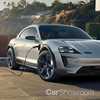
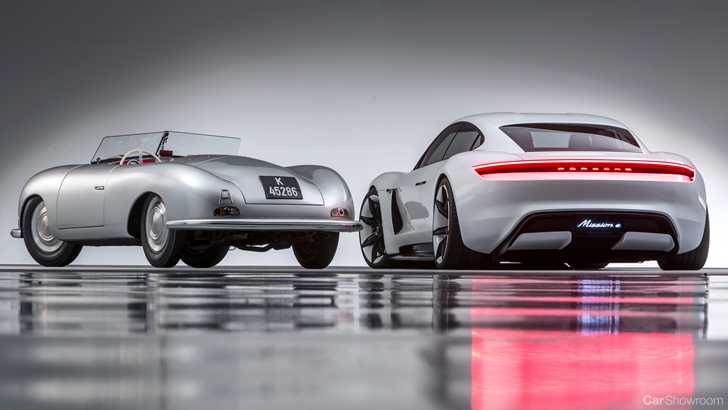
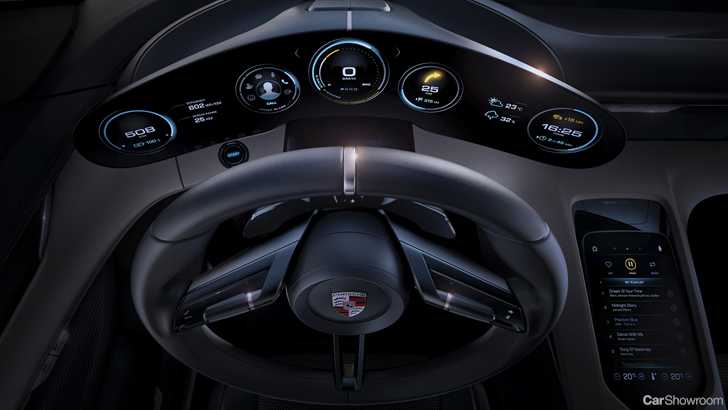
Porsche’s Mission E will be their first fully electric vehicle, following closely in both design and functionality promised by the Mission E concept car from 2015’s Frankfurt Motor Show. Apart from the low four-door coupe looks and predictably eye-bleeding performance, Zuffenhausen also touted it having a potentially revolutionary battery system.
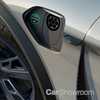
According to their initial spec which so far has not been rolled back, Porsche’s fast charging system will be able to fill the Mission E’s (if that’s even its final production name) battery from depleted to 80 percent fully charged, or about 400km of range, in just 15 minutes.
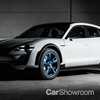
This would made possible either by a wired connection to the fast charge system or from an inductive pad the car could park over. As revealed by the Mission E Cross Turismo concept from this year’s Geneva Motor Show, Porsche will use a long horizontal bank of lithium-ion batteries squeezed between the front and rear axle that’s enough to store enough juice for a combined journey of over 500km.
Porsche believes that, for these fast charging stations to become more widespread, owners will need to pay for the convenience of far superior charging speeds compared to drawing power - slowly - from the mains. Merely with automaker investment, as Porsche plans to engage in during the early phases, only a few charging stations can be feasibly spawned in a given area.
Tesla Supercharger stations, despite being the most widespread internationally, already face congestion problems as only a few individual charge points are available for a growing community of owners, each needing more than a hour to be topped off.
In terms of the motors themselves, each axle will have its own, combined for an output of roughly 440kW. Acceleration times have not been disclosed but should hover around the 3 second mark while top speed could be capped to 250km/h like many German saloons.
For more on Porsche cars, check out our Showroom.