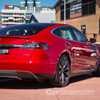
Shots fired.
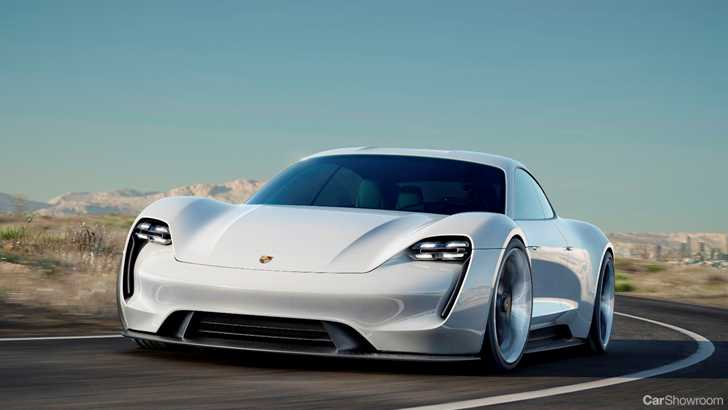
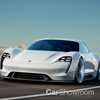
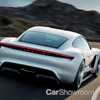
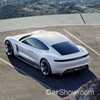
We know Porsche intends to go toe-to-toe with Tesla when it made a statement about their Mission E all-electric sports sedan last year at the Frankfurt Motor Show. The German marque stood by its claim that it can deliver a world-beating EV when it hits roads in 2020.
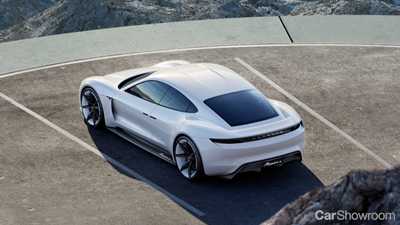
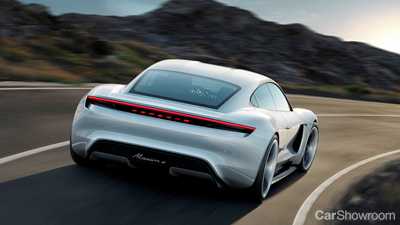
Granted, it certainly has the looks to win us over, but Porsche and parent company Volkswagen will have some big claims to back up on their journey to full production. They say it will have a range of over 450km, propelled by twin electric motors generating around 447kW (at least), and a 0-100km/h sprint time of 3.5 seconds.
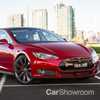
Let’s dwell on that final claim, because the Mission E’s primary target, the Tesla Model S, is already boasting a sprint time of 2.8 seconds in the P90D when ‘Ludicrous Mode’ is engaged. Porsche, however, isn’t willing to concede that as a point of weakness.
According to an engineer at Porsche that Automobile magazine has spoken to, the merits of the Model S’ Ludicrous Mode aren’t as clear cut as some would have believe. He says:
“It’ll be something entirely different than any of its competitors, across the board. The thing about Ludicrous mode is that it’s a façade. Two launches saps the whole battery. That won’t be the case with the Mission E. You’ll be able to run it hard, over and over; the battery will not overheat, the power control module will not overheat, and the seats will not suck.”
Porsche is working to capitalise on electric cars, yes, but apparently without the current weaknesses that current EVs have. In their years-long development of the Mission E, it seems they aren’t shy about talking smack about the competition.
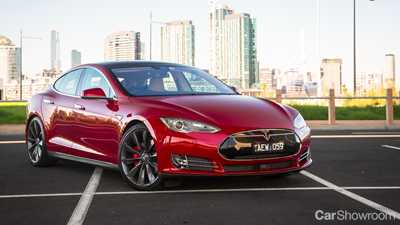
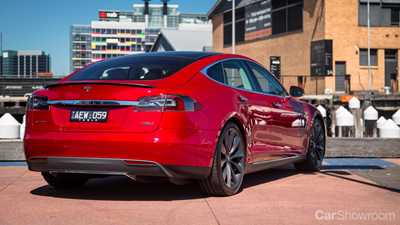
The Mission E’s 3.5-second century sprint time, we presume, will be able to be replicated for more than just a couple of fast launches before the batteries either overheat or have no remaining charge for things like actual driving. Charging too is something that Porsche intends to make a lot more convenient through the use of inductive pads on the ground.
And as a Porsche, we can be quite sure that the Mission E’s build quality and cabin will be in a league of its own as well.
It’ll be interesting to see how Porsche chooses to approach the public interest that currently surrounds and will eventually swarm around their first all-electric car, especially since it would mark a turning point for Porsche and the Volkswagen Group.
The engineer also said that the Mission E, despite its powertrain, will “be a Porsche through and through” – a definite challenge to innately different the Mission E is. Then again, a similar criticism was levelled against their excellent 918 Spyder hybrid supercar.
For more on Porsche vehicles, including pricing and specifications, check out our Showroom.