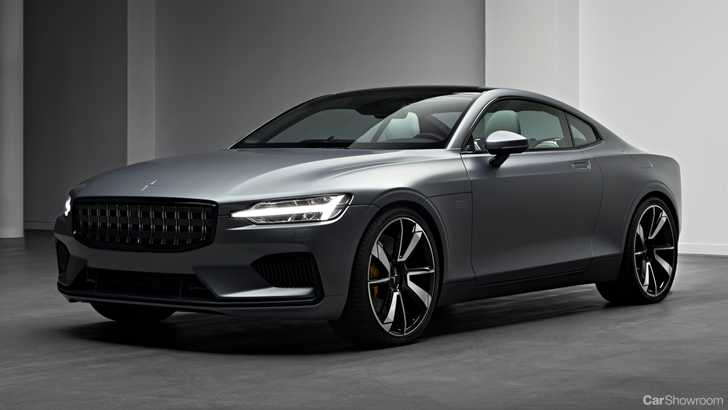
New performance marque Polestar has finally, finally put a sticker price on its highly-anticipated, blisteringly fast, beguiling debut model, the Polestar 1. The 441kW grand tourer has up until this point been talked about in tandem with the company’s subscription-based ownership scheme, with company executives dodging questions and answering merely with estimates and ballpark figures.
Now we know that the 2+2 high-performance plug-in hybrid grand tourer will cost RMB1.45-million in China. Or €155,000 in Europe. Or US$155,000 in the States. Or roughly $204.5k in our money.
“We have seen a strong initial response from our first customers. This gives us confidence that our brand has a bright future.” — Thomas Ingenlath, CEO, Polestar
As of March, Polestar took aboard 7,000 pre-orders for the Polestar 1 in some 18-countries, which were then designated as launch markets for the brand. Once the Polestar 1 is rolling steadily out of the production plant in Chengdu, the company will then move to get the Polestar 2 mid-size electric saloon to market next year (the company says the car is “well-developed in its engineering phase”), followed by the Polestar 3 electric SUV (“already advanced in its design phase”).
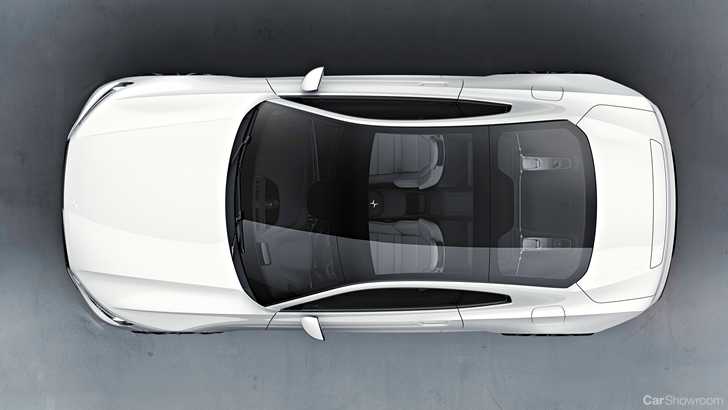
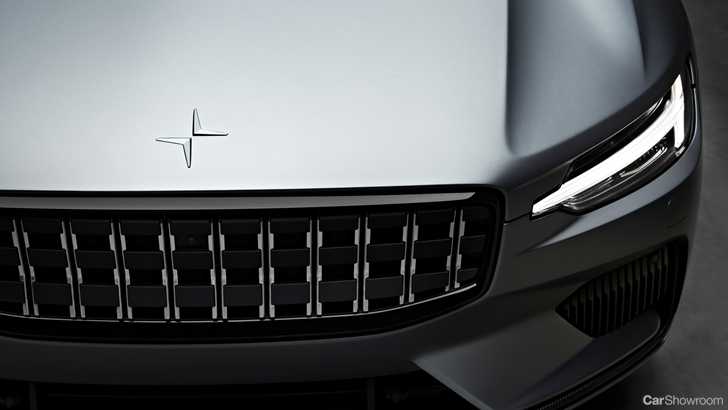
The Polestar 1 not only sets the pace for the company going forward, but it also serves as a platform to highlight the synergy between itself and its parent company, as this car’s DNA is plain to see. Its design is heavily-influenced by the Volvo Concept Coupe that we first clapped eyes on way back in 2013 (which subsequently led the design revolution for Volvo), and retains characteristic design traits from the parent company while adding its own distinct signatures to the mix. This is the first Polestar product that is entirely bereft of Volvo ‘Iron Mark’ badging, and retains just 50% of the Scalable Product Architecture that underpins Volvo’s latest crop of cars.
The drivetrain beneath the Polestar 1 is a heavily-reworked version of the T8 TwinEngine setup currently found in the Volvo S90 and XC90, though it’s been uptuned in this application. As mentioned earlier, the petrol-electric hybrid drivetrain has been engineered further and now produces an astonishing 441kW of power and 1000Nm of twist, which Polestar promises will rocket the car from rest to 96km/h (60mph) in less than 4-seconds.


The potency of the Polestar 1 is hampered somewhat by its 2-tonne weight, a penalty of packing a 34kWh battery (split into two positions in the car for better weight distribution) and two electric motors at the rear, but is offset by the carbon-fibre construction that is a first for the Volvo Group. Amazingly, this hybrid rocket ship will also pander to the environmentally-conscious motorist too, as its relatively-lightweight construction and efficient use of power means that it can travel on battery power alone for as far as 150km on a single charge, the greatest range of any combustion-electric hybrid vehicle in the world.
Because of the extensive use of carbon-fibre, Polestar sought the expertise of fellow Swedish carmaker Koenigsegg in the early stages of the project. The composite top-half is then bound to the platform beneath both adhesively and mechanically to the steel frame of the Polestar 1, which improved structural rigidity by some 45% and reduced weight by 230kg, aided further by the shortening of the S90’s SPA wheelbase by 650mm. The strict adherence to perfect weight distribution means that the mass of the car is split 48:52 front-rear, which should make for a truly engaging drive.
While Volvo maintains existing production facilities in Sweden, Malaysia, and China (the former two the only locations that presently manufacture the complex T8 petrol-electric drivetrain), a brand-new facility will be built to produce the Polestar 1 in Chengdu. Polestar is aiming for an annual production figure between 500 to 1000 cars (limited by the time-intensive carbon-fibre construction), with sales expected to come from new ‘Polestar Space’ retail facilities (that, they underline, will be stand-alone locations that have no relation to existing Volvo dealerships). Sales themselves will be fulfilled 100% online, though the Polestar Spaces will act as a medium with which customers can engage with the products and the brand before committing to purchase.
Stay tuned to CarShowroom for more updates as they come.