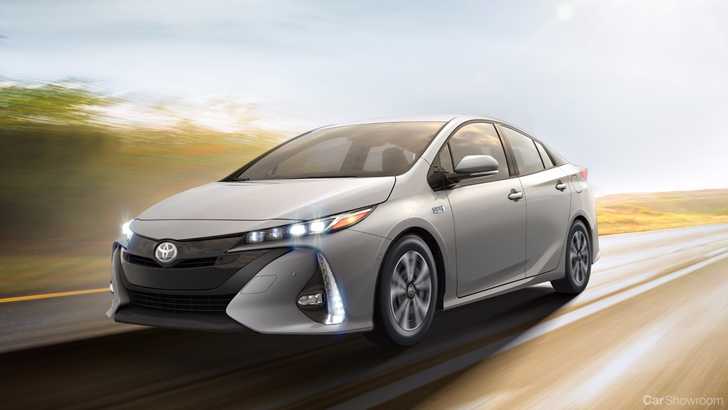
Toyota has revealed an updated Prius as a plug-in hybrid that now has a special roof that integrates a solar panel that’s used for passive recharging of the car’s batteries. Typically, the car would be charged through braking energy regeneration and recouping of the internal combustion engine’s locomotion.
This time, however, the Prius’ eco credentials are even higher with the ability to harness the sun. The Japanese automaker said that it should improve overall fuel efficiency by as much as 10 percent by allowing longer pure electric range of up to 55km at a top speed of 135km/h.
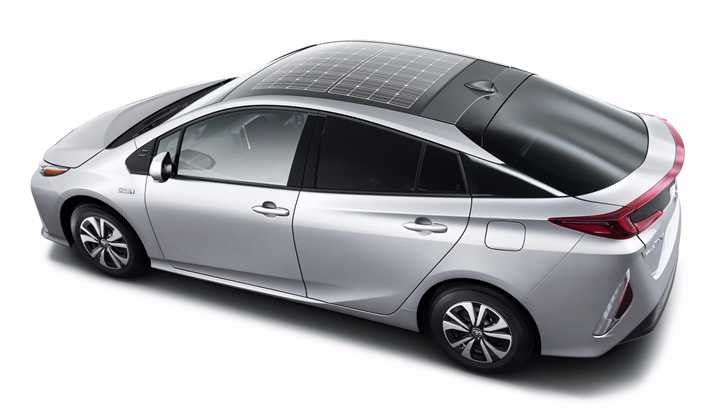
The Prius doesn’t even have to be moving along or turned on for the solar panels to function as it will be able to charge even when parked. While driving, should conditions be favourable to generate enough energy, the car would let functions such as air conditioning, infotainment, and windows be powered by the solar panel.
However, there is a safety concern involved with lining the car’s roof with solar panels and the accompanying glass and circuitry. The panels Toyota plans to roll out initially uses a construction method that lays the photovoltaic material atop reinforced glass sheeting, a method that doesn’t sit well with the United States’ rollover crash tests as they have a possibility of shattering in such an event.
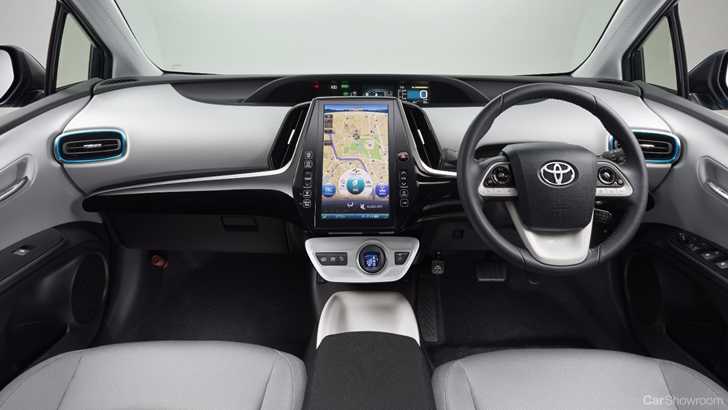
As a result, and for the time being, Toyota will only be offering the solar panelled roof for Prius’ sold in Europe and its home market of Japan. In the meantime, to be granted certification in the US, Toyota will work on ways to laminate the roof with some sort of shatterproof resin.
Toyota Australia has chosen to not import the plug-in hybrid variants of the Camry, Prius, Corolla, or others, and therefore we won’t be expecting a partially solar-powered Prius any time soon Down Under.
For more on Toyota vehicles, including pricing and specifications, check out our Showroom.