The ute is something uniquely Australian, and we still seem to be the most ardent proponents of this type of vehicle. Even in the case of the Holden Ute, handing even a normal car like the Commodore a large uninterrupted open rear space is enough to justify it being slotted into the utility category.
The days of the V8-powered Maloo might be gone but the concept of the performance ute is far from dead, and locally might be about to experience a resurgence. For years we’ve been looking in envy at the vehicles like the F-150 Raptor, and now with the imminent arrival of the Ranger Raptor, at least most of the boxes are ticked.
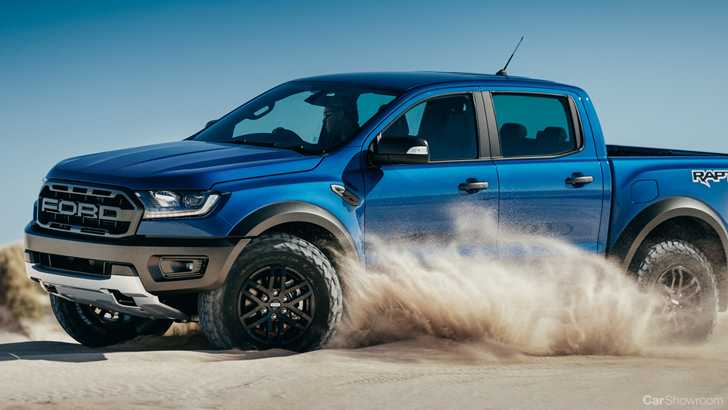
While turning a modest dual-cab into something worthy of the ‘Ford Performance’ badge requires a lot of elements to be finely tuned and tough decisions be made, one can’t ignore that there was some eyebrows raised when it was revealed a somewhat modest 2.0-litre four-cylinder (twin-) turbodiesel would be sitting under its bonnet. There is little doubt, however, that the Ranger Raptor’s suspension upgrades would be able to handle the fast Baja-style punishment with aplomb.
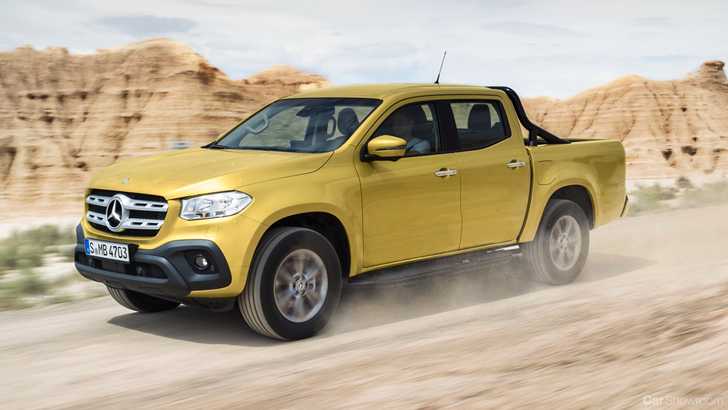
Perhaps that’s why detractors of the new high-performance Ranger turn immediately to that engine, citing such alternatives as the Volkswagen Amarok and newly introduced Mercedes-Benz X-Class. Both of these German pickups have 3.0-litre V6 turbodiesels and, on paper, a similar output to both themselves and that newest Ford.
Gracefully or otherwise, let’s look to the arguments for a contender in this category from the folks from Munich. What exactly is the appeal of a BMW ute and why does it keep coming up? Does it stem from just being a neat idea? Do we crave German design and quality here, or just more of it? Are some hoping that it would start us down a path to a hot ute from their M division?
Recently, Marc Werner of BMW Australia told the media in attendance for the domestic launch of the new X2 that the customer trends toward a pickups/utes “cannot be neglected”. It’s far from the first time that the local arm has hinted at their interest in selling such a vehicle here. It’s true that the statement could have just been highly contextual as it was fresh off the Mercedes-Benz X350d being announced.
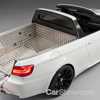
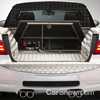
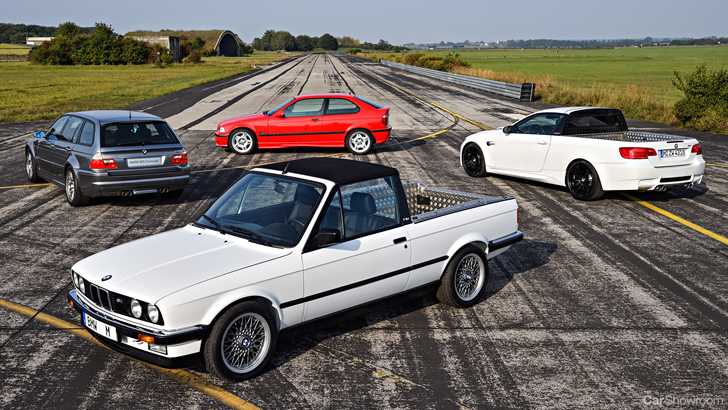
Although, hype surrounding a possible ute really picked up steam when BMW M unveiled an an E90 M3 (the one with a V8) with a Maloo-style tray instead of pair of rear seats and a boot. It was just a concept, of course, and one that was conveniently revealed on April Fool’s day 2011, but remained on record as a public admission of intent along with the original E30 M3 pickup prototype from 1986.


Creating a traditional dual-cab with a ladder frame chassis and heavy duty components to fashion a true workhorse is something BMW has little experience with. And unlike the Mercedes-Benz X-Class, which would be its nearest competitor, BMW can’t lean on someone like Nissan to borrow their own ute to take them a good way up the development.…ladder.
Even with that approach, there are trade-offs. We’re sure Benz, for example, would have preferred to have greater freedom to lavish the range-topping X-Classes with an interior much like their other vehicles, but instead resemble the Navara’s cabin in more ways than none.
Developing a completely new architecture and chassis type in the hopes that such a large pouring of time, energy, and finances would be warranted by a sudden legion of customers worldwide eager to open their wallets is only on the upper reaches of the possible. It isn’t a sure thing like saying the next 3 Series will sell well. Here, there is a risk that BMW’s from-scratch effort would prove laborious, wasteful, even embarrassing in the long run.
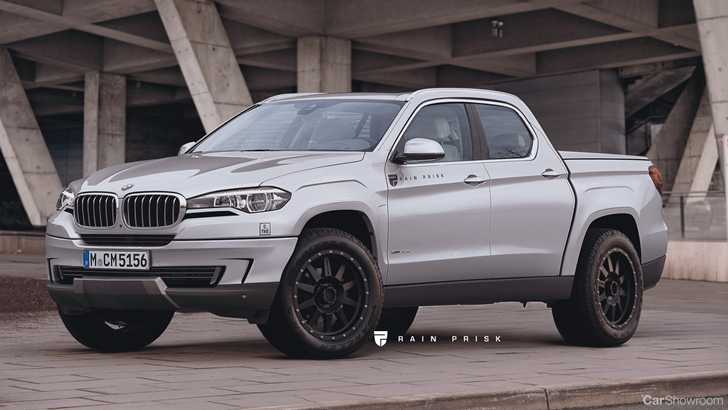
Going further, because it costed them more to develop, Bimmer might need to sell it for a higher price, higher even than the expected premium that’s attached to the brand. Higher variants might be able to find buyers thanks to the sheer novelty of a BMW pickup and on account of it including all the best options and equipment. At the lower end of the scale, the average numbers-based tradie won’t necessarily be swayed by such trivialities.
To help shoulder this, there is one partner that comes to mind who might be able to make all of their engineering issues magically disappear, while possibly imparting more knowledge to the German automaker than anyone else could on the matter. In the same way Daimler and Renault-Nissan’s cooperative relationship resulted, among others, in the Mercedes-Benz X-Class, BMW could tap Toyota.
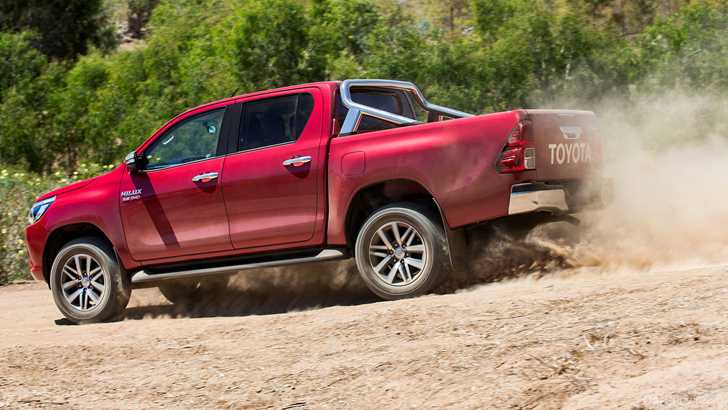
Both companies are currently co-developing a sports car that will be the next Z4 Roadster and resurrected Supra, as well as jointly exploring avenues into hydrogen fuel cell and electrification tech. After all, with the HiLux has consistently been among the top two best selling vehicles in Australia month after month, who better to help guide BMW into this new and strange territory.
However, for the same reason that Toyota has found tremendous success locally, they would understandably be hesitant to aid BMW with more than words of encouragement, much less access to their HiLux. Any success a possible BMW pickup might find could pose a threat, directly or indirectly, to the sales crest the HiLux has reached.
This is to not even mention the likelihood that sub-brand Lexus’ product planners are also toying with the idea of a premium pickup, which we’d peg at near equal to that of BMW’s level of keenness. If the ‘luxury’ end of the ute market is ripe for the picking, Toyota would no doubt be among the first to pounce.
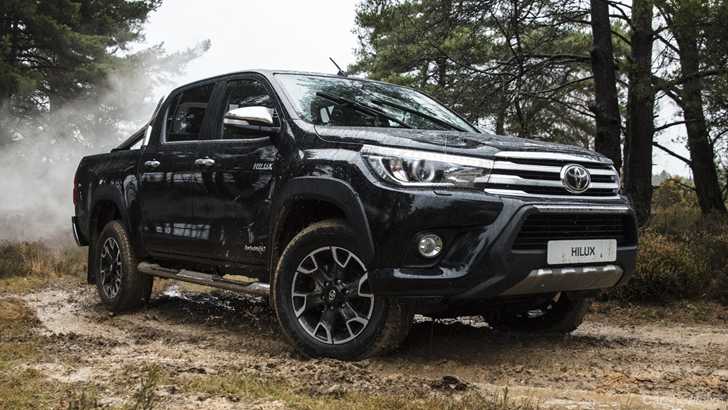
As a thought experiment, let’s say Toyota does relent and a HiLux-based BMW does go into production. How would the brand’s faithful react? BMW prides themselves with producing cars that are driver-focused and fun, so can their marketing division spin a pickup to be as much an Ultimate Driving Machine as an X5? It’s a tall order.
Going back to the X-Class momentarily, Mercedes-Benz did have an easier time transitioning into a the pickup category. The brand’s three-pointed star emblem has been worn on many commercial vehicles for decades, from trucks to vans to buses, making a one-tonne ute almost seem a no brainer.
BMW has thus far only focused on passenger cars, and as a Group, expanded into more compact offerings with MINI and the ultra-luxurious with Rolls Royce. We reckon only some precise and uncommonly clever corporate contortions would make an explanation to how a pickup would neatly fit into their near term portfolio sufficiently palatable.
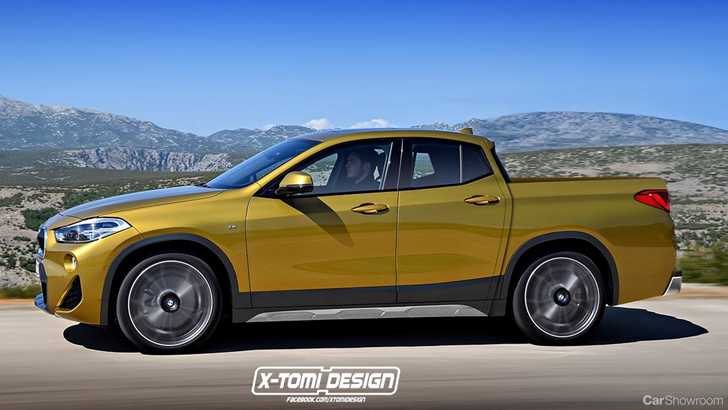
In the long run, such a move could do more harm than good to the BMW brand, especially if their initial product is found to be lacklustre. To avoid this, they might need to develop the vehicle from scratch, demanding more control over every aspect of its execution, thus requiring significant resources be spent and consequently might result in too high a price tag for it to be sold in sufficient volume. This hypothetical pickup would also need to find success in other regions to make their efforts worthwhile, but so far only one market is making enough noise for BMW to listen.
BMW Australia might say that it cannot neglect the ute segment, but in our opinion they absolutely can. That said, we’d also go out on a limb and say that there’s a very obvious automaker that stands to benefit more than anyone from this heightened interest in utes: Hyundai.