Volvo Cars is working with Powercell Sweden AB to develop a fuel cell which could massively extend the range of electric-only vehicles without carbon dioxide emissions.
The technology could extend an electric vehicle’s range between battery recharges by as much as 250kms – in addition to the range available by the battery pack. If successful, this breakthrough would provide electric-only vehicles with the day-to-day convenience of conventional petrol-engined vehicles.
Called ‘Range Extenders’, the technology consists of a fuel cell with a reformer which breaks down a liquid fuel – such as petrol – to create hydrogen gas which is then converted into electrical energy to power the vehicle’s electric motor. The companies claim the technology is also suitable for renewable fuels.
The beauty of this system is it will potentially enable vehicle manufacturers to use smaller batteries in electric-only vehicles, providing the interior space and cargo carrying volume demanded by customers. Current electric-only vehicles are forced to fill valuable passenger space and boots with batteries and ancillary components.
While the technology being developed by Volvo is currently very expensive, the fuel cell industry predicts cost efficiency will improve through refined technology and large-scale production.
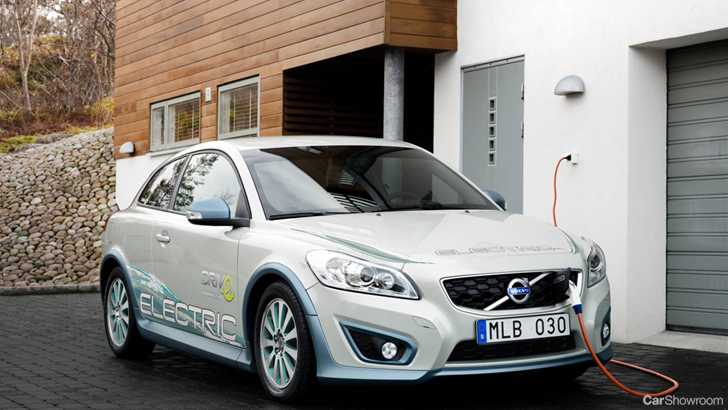
Volvo plans to have two prototypes – based on the Volvo C30 DRIVe Electric ready for testing early in 2012.
“We have just taken the first steps and it is naturally too early to talk about market introduction of electric cars with range Extenders. The industrial decision will come after we have learned more about fuel cells and the opportunities they offer,” explained Volvo Cars President, Stefan Jacoby.


