With the all-electric Mitsubishi i-MiEV already sold in Australia and Nissan’s all-electric LEAF being tested in Victoria, some thought-provoking information has been published from BMW’s public testing of the MINI E in the UK.
MINI has had 40 MINI Es under test with a variety of UK public and commercial drivers and they covered over 250,000 miles.
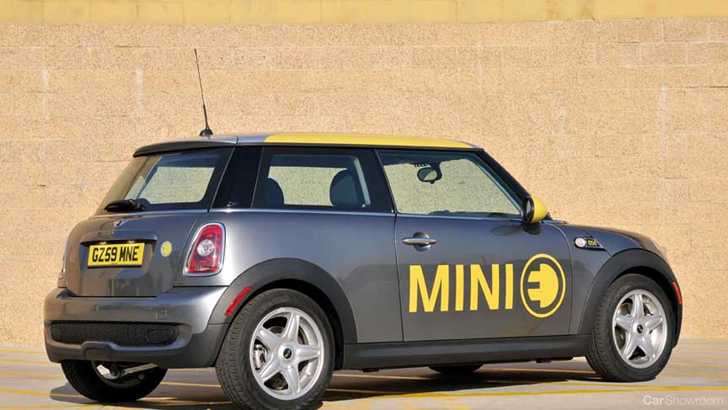
Using the cars as they would for their normal activities, most covered less than 60kms per day and four out five found 80 per cent of their driving could be done exclusively in the MINI E (meaning they only needed their regular internal-combustion-engine cars for 20 per cent of their driving).
Some 84 per cent of the drivers reported a decrease in distance between battery re-charges occurred in the severe UK winter, although one driver reported regular trips of more than 140kms between recharges even in the cold.
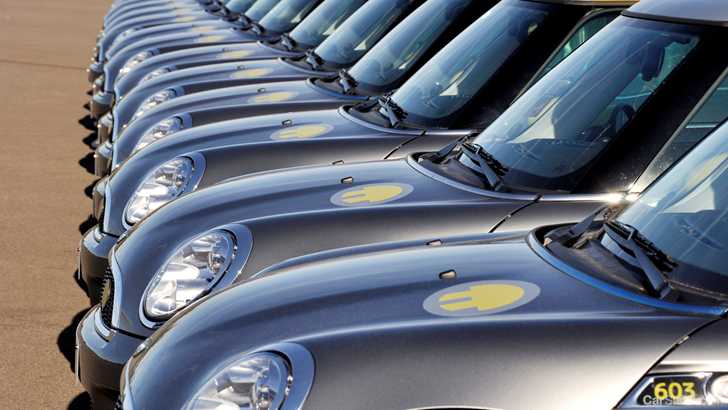
Given the daily distances covered, many found they did not need to re-charge their MINI E every day (2.9 times per week was the average) and 82 per cent took advantage of reduced off-peak electricity tariffs to re-charge their MINI E at home at night. Many said they appreciated the convenience of re-charging at home as opposed to the usual service station experience.
At the end of the six-month trial, the average re-charging cost was about $150 per car – that’s incredibly cheap motoring (under 10c per kilometer).
Commercial fleet operators were also impressed, despite the extra length of their journeys. Around 70 per cent of them reported the MINI E was perfectly suitable for their working needs.
One finding of the commercial operators was the need for companies with pool vehicles to instigate a re-charging procedure – it’s not good form to return the car with batteries low on charge if the next user is in a rush and struggling to find the time to re-charge prior to departure.
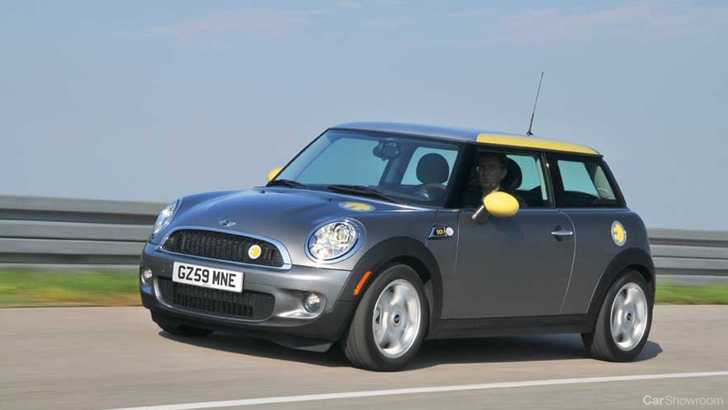
Interestingly, 74 per cent of the drivers found using the regenerative braking to provide charge for the batteries while driving meant they were able to end many daily journeys with the batteries in their MINI still fully charged.
The silence of the MINI Es raised both positive and negative feedback. While every driver appreciated the quietness of electric propulsion, 28 per cent agreed an artificial noise was need at low city speeds to alert pedestrians that the MINI E was approaching.
With both Mitsubishi and Nissan trailing their electric vehicles in Australia it will be interesting to compare Australian findings with this UK test.


