Torque vectoring to take the load off drivers and allow for a more comfortable ride.
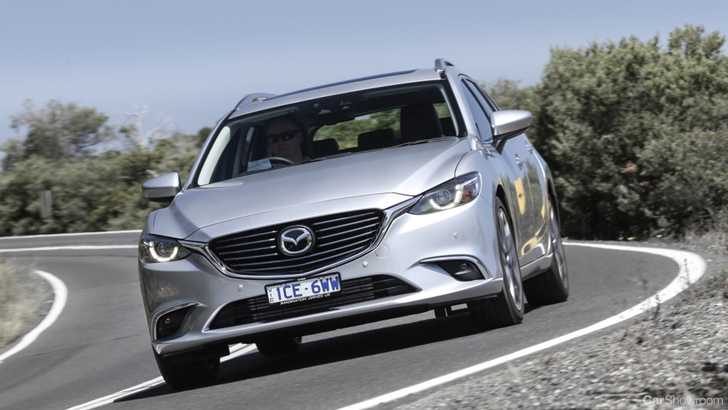
Mazda has a renewed focus on further improving their cars’ dynamic abilities through technology, but instead of out and out sportiness, the Japanese automaker is trying to expand their “Jinba Ittai” philosophy to include comfort as an important factor in driving satisfaction.
The fruit of their effort hasn’t yet gotten a full and permanent name, but can be initially referred to as ‘G-Vectoring Control’ (GVC), as reported by Autocar UK. Interestingly, torque vectoring is a racing-derived idea, and used typically in high-performance passenger cars to improve grip, direction change, and cornering speed.
If you’re wondering where the comfort bit comes in, Mazda believes that, if properly executed, it can play a role in creating a driving experience that is less fatiguing for the driver, and thereby becoming a more comfortable experience.
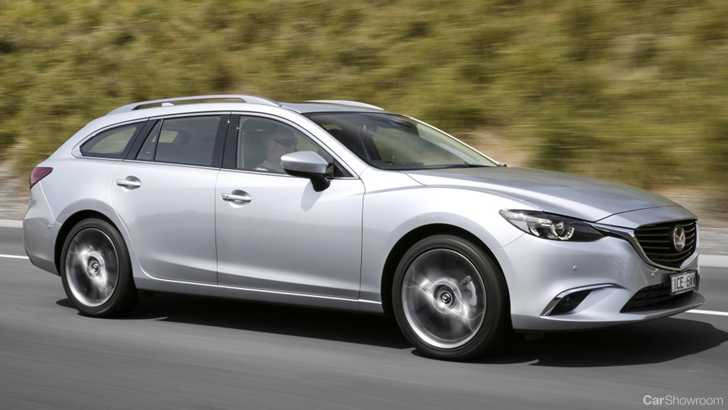
The system uses small variations in torque delivery to allow the car to more easily maintain cornering speeds and reducing the car’s lateral movement and also eases the burden on the driver the maintain their desired line by making small steering and throttle adjustments themselves to keep understeer at bay. As a result, Mazda will have more wiggle room to reduce the car’s suspension firmness. Voila! Comfort.
To the driver, Mazda engineers say that this will reduce muscle strain and will also help reduce lateral forces on passengers while driving over uneven surfaces.
Mazda is quite serious on the future of this technology and making it a standard feature on all future models. They reportedly will also gain larger, more supportive front seats that are designed to better spread the weight of the occupant and reduce uncomfortable pressure points.
An engineer told Autocar: "We cannot optimise our vehicles for what is a small customer base [which wants sportier chassis tuning]. A more relaxed driving experience frees the driver’s mind, and will make the drive more fun."
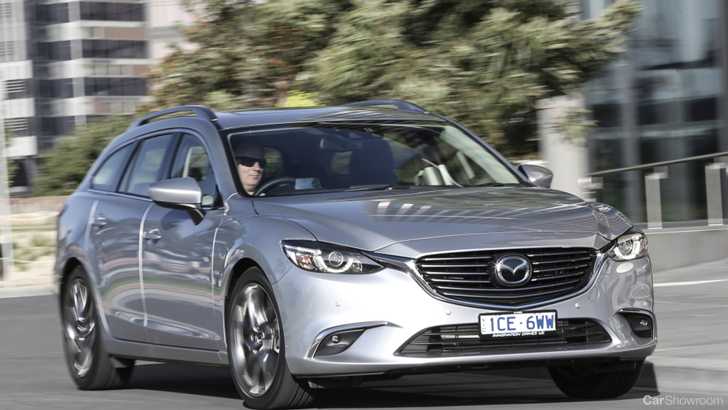
The torque variances to each wheel under this specialised torque vectoring system has a maximum of 30Nm, equating to roughly 5kg of load on each tyre, but is enough to have the vehicle track a lot more accurately due to a more effective use of the available contact patch.
This plays nicely into the characteristics of Mazda’s SkyActiv engines, which they say has a particularly accurate combustion process to allow these minor changes in torque output.
Time will tell whether Mazda’s big bet on vehicle comfort and reduced driver burden will have an impact significant enough for most buyers to take notice. Mazda sources insist that it aligns with shifting global tastes toward a more effortless driving experience.
For more on Mazda vehicles, including pricing and specifications, check out our Showroom.