Things went a little quiet there, and it seemed like the troubles befalling the ride-sharing company was riding a plateau - a new CEO was installed, business chugged along like it was meant to. But that ended recently with the city of London announcing that it will not be renewing their licence to operate, claiming them not being “fit and proper” to do so, which expires on September 30th.
Transport for London, according to CNBC, cites multiple offences as the basis for this move. Primarily, they pertain to the company’s aggressive approach without regard for local regulation or due process as well as their neglect in reporting serious crimes witnessed or committed by their driver partners. Further, their app is said to purposefully make it difficult for regulators and law enforcement to hold them accountable more granularly.
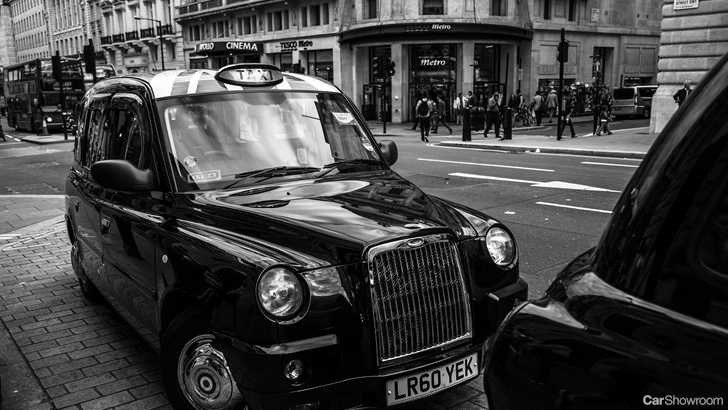
London’s mayor, Sadiq Khan, said on this most recent matter: "All companies in London must play by the rules and adhere to the high standards we expect -- particularly when it comes to the safety of customers. Providing an innovative service must not be at the expense of customer safety and security.”
The UK’s capital city is distinct among its European neighbours in that it has a particular affinity with taxis, and drivers for London’s “Black Cab” fleet understandably been very vocal about their dissatisfaction, refuting Uber’s arguments and campaigning against the seemingly decline in passenger safety.
Either way, Uber’s regular London customers will be left to find alternatives after the September 30th license expiry takes effect. However, it would appear that through some legal loophole, they should still be allowed to operate while they appeal to decision.
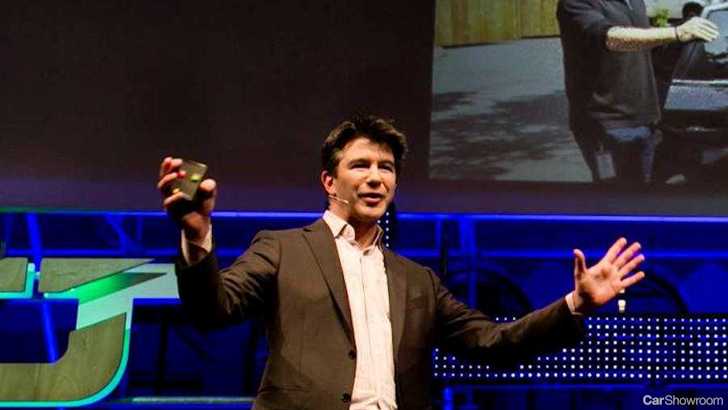
Tensions were high in past months over Uber building in mechanisms within certain builds of their driver-facing app to help avoid law enforcement in American cities where the service is not allowed, such as Portland, Oregon.
Prior to that, Tim Cook threatened to remove their app from the Apple App Store after it was discovered that Uber’s co-founder and then-CEO Travis Kalanick had instructed developers to break the platform’s privacy rules, covertly collecting unique hardware data on the iPhones the app was installed on without the user’s permission. This behaviour, reckless and unethical, wasn’t incongruent with Uber as a company.
Rather, the latest in a string of occurrences that have culminated in a one of the sharpest public image declines in the tech industry, involving intellectual property theft, a culture of workplace sexual harassment, and rampant gender discrimination that eventually led to said CEO’s resignation. Around that time, Uber was forcibly ejected from being allowed to operate Italy.
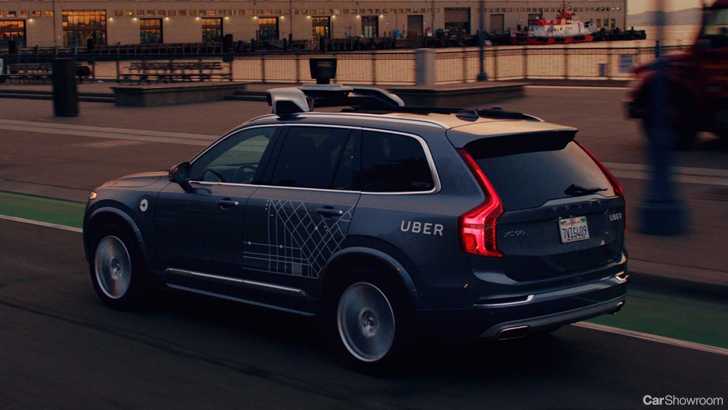
Uber’s new CEO, Dara Khosrowshahi, who prior was Expedia’s CEO since 2005, said in a company-wide memo: “…it’s worth examining how we got here. The truth is that there is a high cost to a bad reputation,” taking a more considered approach than previously seen from Uber’s leadership. “…it really matters what people think of us, especially in a global business like ours, where actions in one part of the world can have serious consequences in another,” he continued.