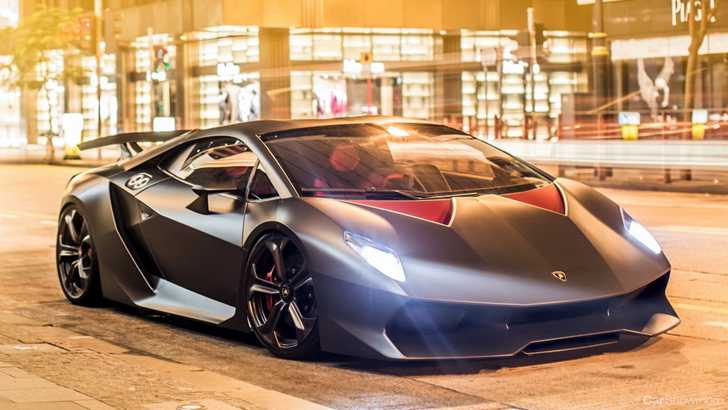
The Raging Bull is known for its naturally aspirated engines. Lamborghinis can usually be heard (and accurately identified) before it’s even seen. Though, when it does eventually come into view, the sight of it is often louder than the exhaust note.
When Sant’Agata’s top brass voiced their reluctance at embracing new engine technology, their concerns are absolutely justified. The typical Lamborghini buyer isn’t really after a car that’s the fastest of the fast around the Nurburgring, for example, but for an experience that’s uniquely visceral. In short, it’s the naturally aspirated engines themselves and the sensations they arouse that are selling points.
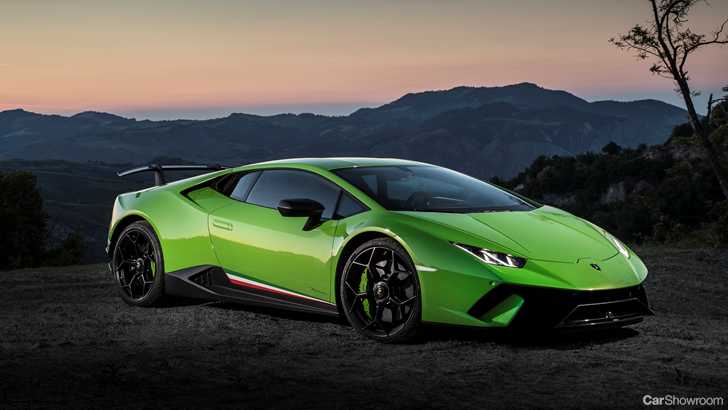
That said, there’s no stopping the relentless march of progress. Eventually all good things, like screaming atmospheric engines, must end. However, Lamborghini is banking on the development of “next-generation” battery technologies to grant their naturally aspirated motors a stay of execution for at least another decade or two, according to a new Autocar report.
A way to stay true to their cars’ sonic signatures while keeping the enviro-warriors at bay is to embrace a hybrid approach - marrying an electric motor and battery to work in tandem with a traditional combustion engine, both to improve fuel efficiency (especially during low speed and stop-start situations) as well as reduce emissions. They can drastically improve acceleration, which is a nice bonus, and should fit in nicely with Lambos fondness of all-wheel drive.
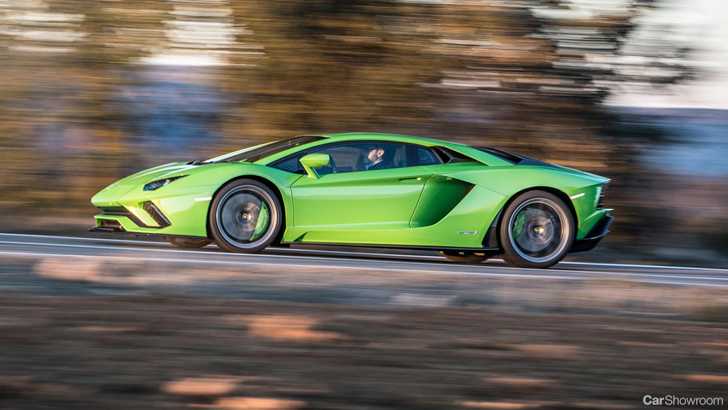
However, as well all know, hybrid cars aren’t a fringe category anymore - au contraire, they’re now everywhere. This begs the argument of why Lamborghini is so late to the party, but their rebut is that the technology isn’t yet advanced or mature enough to meet the needs of the super sports car, in which weight and proper weight distribution are paramount.
Maurizio Reggiani, their man in charge of research and development, said: “The issue today is the storage of energy. If I go to a track, I need to run all the laps that I want. But today, the problem is that if you go, you are only able to run one and a half laps [flat out]. Imagine if you went to the Nordschleife with a hybrid. It will be faster on the 0-100km/h time [than non-hybrid cars] but it will not be faster over a lap – or at least won’t be able to do more laps.”
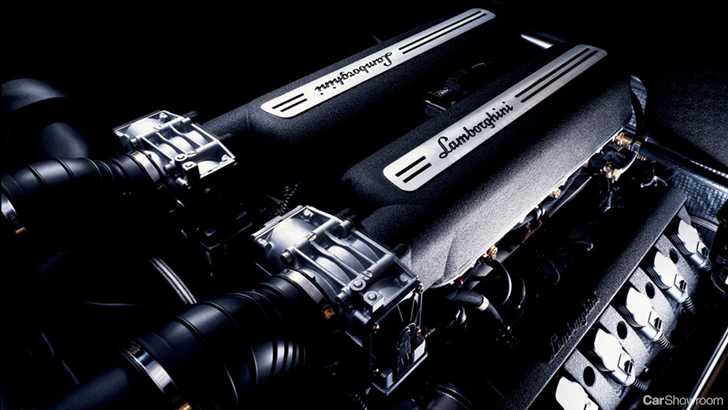
This has led them to pursue the next evolution of batteries, working with a number of industry experts, including MIT, to develop a denser, solid state, lightweight power cell that can better suit their car’s needs. Parent company Audi and other automakers under the Volkswagen Group umbrella, such as Porsche, are also working on similar technology. With a several eggs in multiple baskets, Lamborghini seem bullish of the potential returns over the next “four to five years”, expecting a breakthrough in time for the introduction of their planned successor to the current Huracan in 2022.
This would leave their flagship supercar, the Aventador (or its follow-up, more like) as the brand’s only holdout to use a non-electrified, proudly old school powertrain. That’s also quite intentional, as Federico Foschini previously explained to Autocar: “When they come to Lamborghini, they are asking for the power and performance of our naturally aspirated engines. That’s why we have already decided that the next-generation V12 will stay naturally aspirated and it is one reason why the [Aventador] remains unique.”
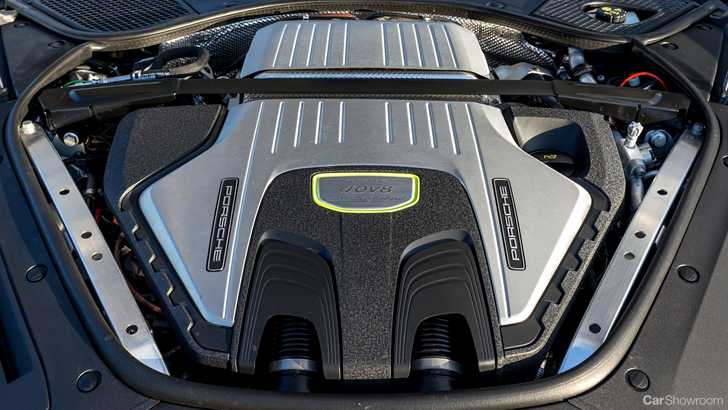
Once this as-yet unnamed car arrives to replace the Huracan, however, it will do so as Lamborghini’s second hybrid following the Urus SUV which uses much the same engine and transmission combination as the Porsche Panamera and Bentley Bentayga: a 4.0-litre bi-turbo V8 that has been confirmed to come in an electrified flavour. It will also be Lamborghini’s first-ever turbocharged car once it debuts in December.
This foray into forced induction and hybridisation is a much easier one to undertake as the Urus borrows heavily from other performance SUVs and saloons within the Volkswagen Group family such as the Porsche Cayenne, making integration much more straightforward because there aren’t nearly as many constraints in terms of packaging and weight compared to the specific needs of a supercar.
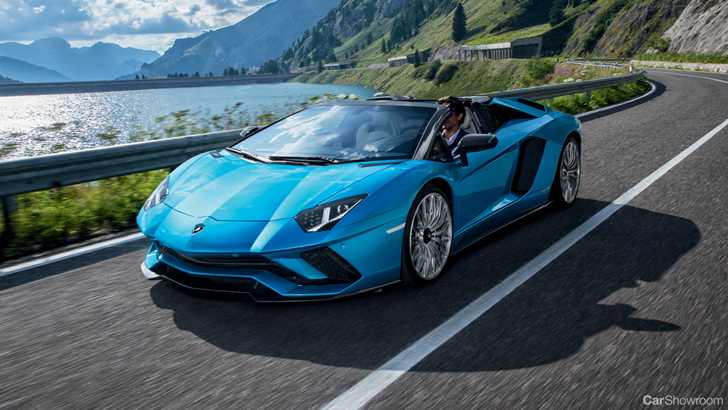
The end result, if done properly, is likely a V10 Lamborghini that can be as frugal to drive in town as an Audi. No matter what your stance is on the matter of an increasingly censored automotive landscape, particularly with regard to the sports car, a more versatile Lamborghini that’s cheaper to run is indeed a future with some blue skies.
For more on Lamborghini cars, check out our Showroom.