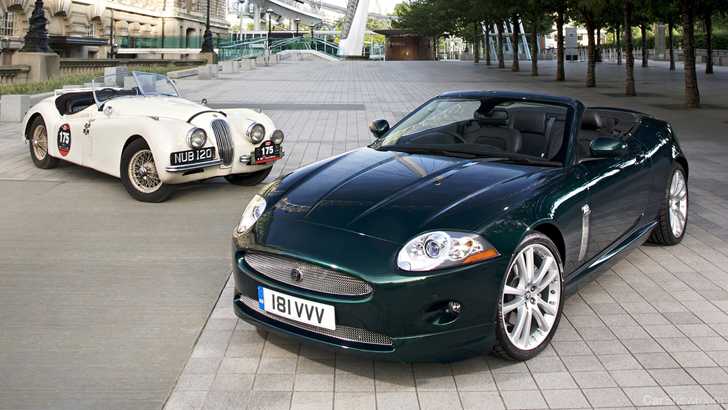
Jaguar ceased production of their sporting grand tourer, the XK, in 2014 due to slow sales. Further, the F-Type rising popularity left little room for bigger and slightly aged GT. Despite Jag’s mild insistence that their current and only sports car should be thought of as a successor to that flagship, especially in V8 guise, the consensus was that it fell short.
But with Jaguar-Land Rover finding new feet with a solid competitor in the SUV space as well as introducing a contender to the compact executive saloon scene, the stage is now better set to accommodate the XK’s return, continuing what is one of the marque’s most recognisable model lines and one of their oldest nameplates, existing since 1949.
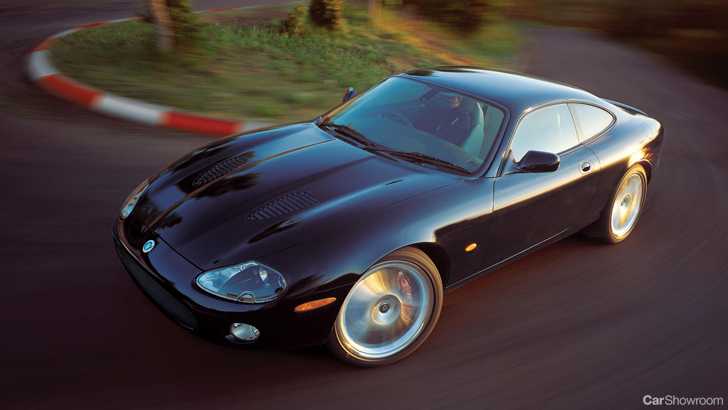
Whether it will actually become a production car is still down to many factors, but we do know that a project to materialise a true successor to the X150 XK is already underway, as confirmed to Autocar by Jaguar design director Ian Callum, a man who was not at all happy upon the previous car’s canning and seems to have been quietly advocating its reinstatement ever since.
Callum said at the 2017 Pebble Beach Concours d’Elegance: “I want a two-seater [the F-Type] and a 2+2. We’re working on something now. There’s nothing approved, but we instigate in design – that’s what we do.”
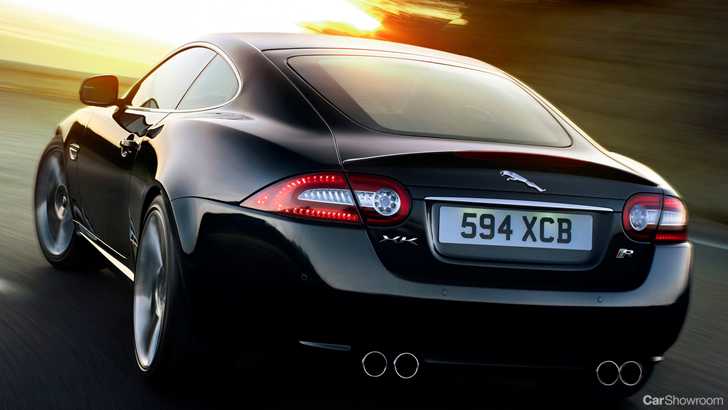
More recently, he also revealed that the XK’s approach wasn’t the only string Jaguar’s design team is pulling at, and that there was more than a few ways to “carry four people quickly around the world, with their luggage.” This would leave them open to exploring a sleek, high-performance four-door coupe instead of a 2+2 GT. Still, there’s no real reason why both cars can’t be developed. After all, it’s now confirmed Mercedes-AMG’s flagship vehicle, the two-door AMG GT, will be receiving a four-door sibling.
Should Jaguar see fit to pursue an all-new generation XK very much following in the spirit of the previous car to bear that name, it would certainly have a wider selection of engines and technology at its disposal. As before, their main competition would be the equally British offerings of Aston Martin, particularly their similarly sized DB11.


Speculatively, unless Jaguar undertakes an ambitious platform design and development project, it would likely need to be constructed upon an elongated version of the F-Type’s underpinnings, which ironically is itself an updated (but shortened) iteration of the previous XK’s.
A two-pronged strategy to the sports car market would broaden Jaguar’s arsenal in that arena as currently their F-Type has had to pull double duty by taking care of the lower and high end of the customers who come to Jaguar for a sporty machine. From 2018, the range would begins with a 221kW 2.0-litre turbocharged four-cylinder from their new Ingenium line and ends with a supercharged 5.0-litre V8 pumping out 423kW.
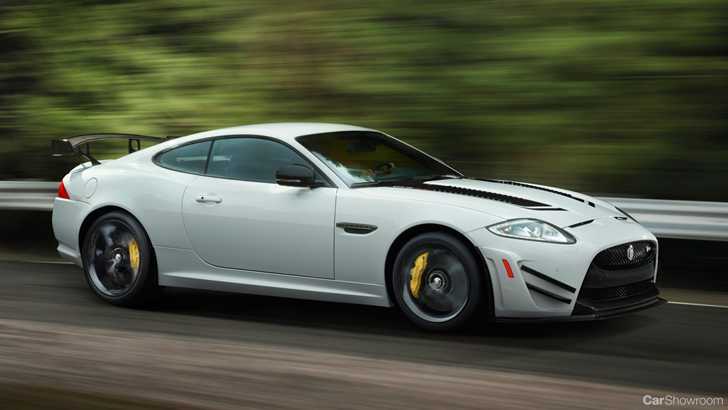
Splitting the roles where the XK would be the company’s top shelf offering in terms of high performance and/or comfort would free the F-Type to become the car it was meant to be in the first place, a lithe and compact front-engine blade that can cut through corners with astounding precision.
For more on Jaguar cars, check out our Showroom.