As new car sales continued to be strong in the month of February, Korean importer Hyundai eclipsed Ford to become Australia’s third best-selling automotive brand.
Toyota remains number one with a February market share of 20.5 per cent from sales of 16,814 vehicles (2,540 up on February 2009). Holden retained its second place with 13.6 per cent of the market from sales of 11,213 (2,184 more than February last year).
But Hyundai is the talk of the industry with its third position thanks to sales of 7,208 vehicles (3057 more than February 2009) which placed it ahead of Ford with sales of 7,148 (248 fewer than February last year).
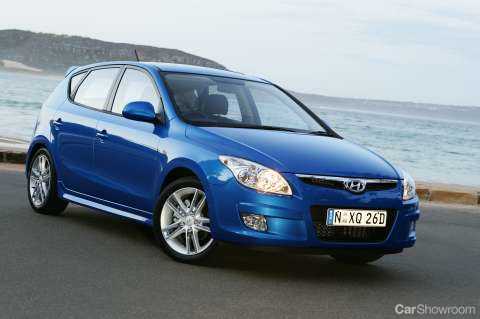
Star performers for Hyundai were the i30 (2,926), the ILOAD and iMAX van/people-mover (657 and 202), the Santa Fe and new ix35 SUVs (424 and 231) and even the venerable Getz chipped-in with 1,927 sales (344 more than February last year).
Mazda sales continue to be strong – the leading Japanese importer in fifth place with 7,003 sales, ahead of Mitsubishi (sixth with 5,026 sales) and Nissan (seventh with 4,596 sales).
In total, February Australian new cars sales totaled 82,219 – that’s 17.1 per cent or 11,978 up on the corresponding month in ’09.
Encouragingly, private buyers returned to the market last month – non-fleet sales up by 9.3 per cent over February last year.
And in a sure sign of improving economic conditions, sales of new cars to car rental companies last month were 175 per greater than February ’09.
The industry’s peak body, the Federal Chamber of Automotive Industries (FCAI) remains cautious about the outlook for the rest of 2010, with the end of the tax breaks and rising interest rates likely to impact shortly.
“Deliveries of vehicles purchased under the business tax break are gradually phasing down and we need to examine how the market will look without the impact of economic stimulus,” explained FCAI Chief Executive Andrew McKellar. “Looking ahead, sustaining the confidence of private buyers is the key challenge for the economy. For that reason we continue to be cautious about the impact of interest rate increases.”


