That’s refreshingly sensible.
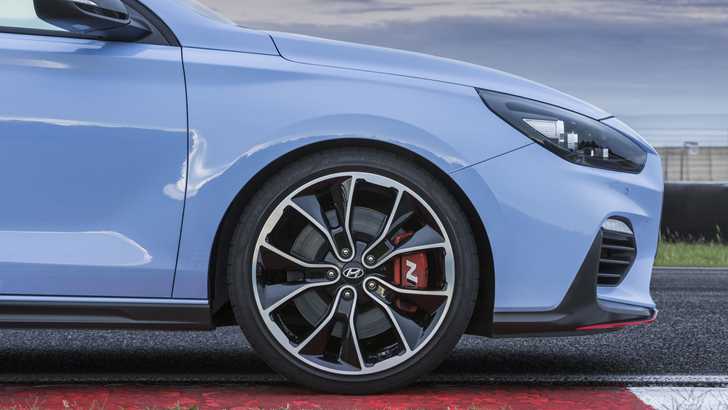
It’s more than common to hear manufacturers to bleat till they’re blue about how their models are subjected to rigorous track-testing ahead of launch, though not many actually permit owners to put their words to the test. New cars tend to be limited by their warranty coverage, stopping them from being put through their paces on a closed, controlled circuit where the true characteristics of a car can be sussed out.
However, Hyundai is looking into the possibility of extending their warranty coverage for their most track-focused car, the i30N, to cover jaunts out onto the racetrack where owners can exploit the hot-hatch’s full potential. This will be the first for a mass-market brand, with the only marques offering comparable coverage being from the likes of McLaren and Ferrari (and even then with a myriad of restrictions and limitations).
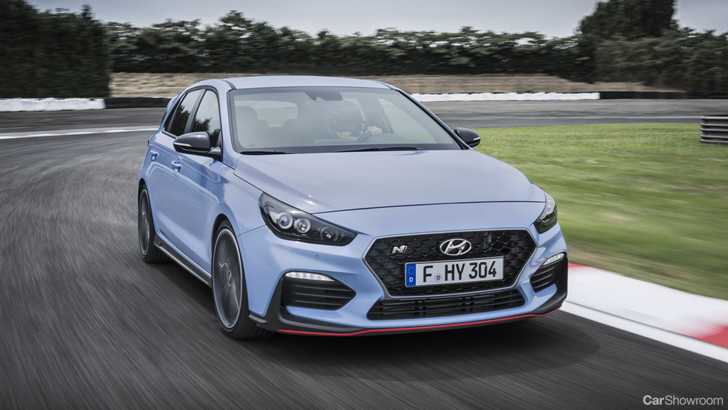
“We’re looking into [racetrack warranty] right now and we’ve been seeking legal council on that, particularly in our back-to-back agreement with [our parent company] HMC (Hyundai Motors Corporation) because it refers to certain usage requirements. So that’s something we’re looking at really carefully and closely. We recognise that it’s a key component of the car and a key to the offering. We don’t have a position on it at the moment, but we’re looking at it.” — Scott Grant, Chief Operations Officer, Hyundai Australia
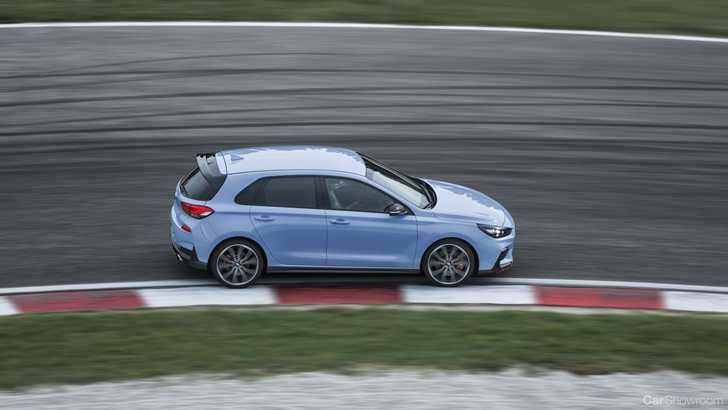
With a great amount of time spent on racetracks throughout the development of the i30N, culminating in two entries in the Nurburgring 24-hour endurance race (to test its endurance), it’s hardly surprising that Hyundai’s looking into extending the warranty coverage to the racetrack. In fact, when taken into consideration that Hyundai’s intent on creating driver focused machines that it’s set up an R&D centre near the Nurburgring, it’s surprisingly sensible for them to do so.
With the i30N being the first N car from the brand, as well as their first offering of a performance-oriented model, there are plans being drawn for Hyundai Australia to help form an i30N owners club. Having an organisation like that would not only link owners together, but it would also give Hyundai themselves access to feedback, data, and an audience that the company can then use to further awareness of the brand, or for marketing purposes, or even for influencing the development of future cars from the N badge.
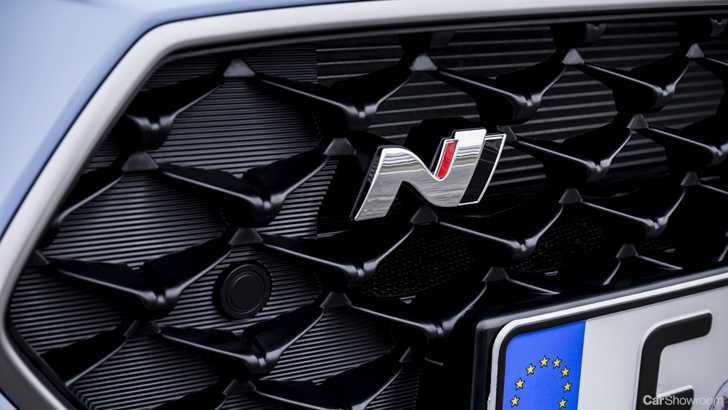
Under the bonnet of the i30N you’ll find a 2.0-litre turbocharged mill, producing a maximum of 202kW and 353Nm, with a detuned version with 184kW available instead. A six-speed manual transmission sends power to the front wheels, with grip maximised with the use of an electronic limited slip differential.
The Hyundai i30N will go on sale on our shores in March, and so Hyundai has until then to sort out this malarkey of a racetrack warranty ahead of the sales commencement. Should be fun though, no?
For more information on Hyundai, check out our Showroom.


