A Holden Calais is the heart the Queensland University of Technology’s (QUT) new $1.5-million driving simulator.
Based at QUT’s Centre for Accident Research & Road Safety – Queensland (CARRS-Q), the simulator is one of the most advanced in Australia and will allow researchers an insight into driver reactions and responses. Studying driver behaviour under challenging conditions is a pathway to reducing road trauma.
“If we can recreate common – yet potentially dangerous driving environments – using simulation technology, then we can study how different people respond,” explained CARRS-Q director, Professor Barry Watson. “This will give us a greater understanding of driver behaviour under difficult conditions which allows us to develop improved prevention strategies, thereby making our roads safer.”
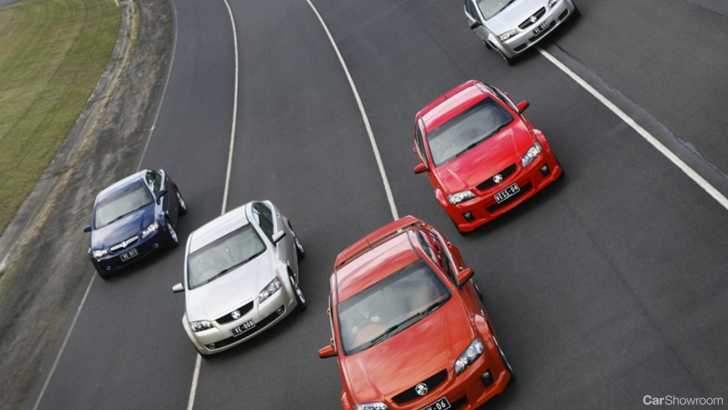
Using the Holden Calais as its centerpiece, the new simulator works by using eight computers, projectors and a platform capable of moving in three dimensions to recreate realistic traffic situations.
While the simulator has been initially earmarked for research into understanding the impact of whiplash and improving the safety of railway crossings, future work is likely to include measuring the impairing affect of drugs and alcohol, triggers which may prompt driver aggression and the effects of driver distraction/inattention
The latter is especially significant in the light of a recent study in North America. Despite Governments throughout Australia enjoying the income stream provided by speed camera and radar fines, research by the acclaimed NHTSA (National Highway Transport Safety Authority) into the cause of U.S. crashes has proved driver inattention/lack of concentration – not excessive speed –is the main cause in the majority of cases


