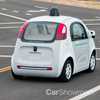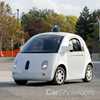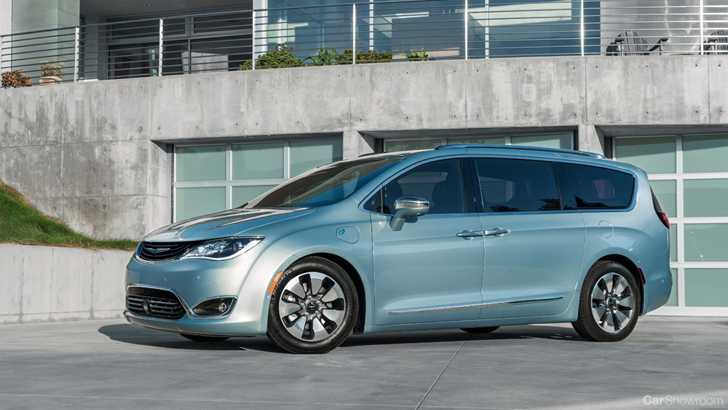
Following some talk about a deal between Fiat Chrysler Automobiles and Google, both companies have jointly announced that they are indeed putting their heads and considerable bank balances together in the pursuit of self-driving vehicles.
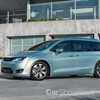
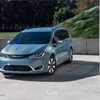
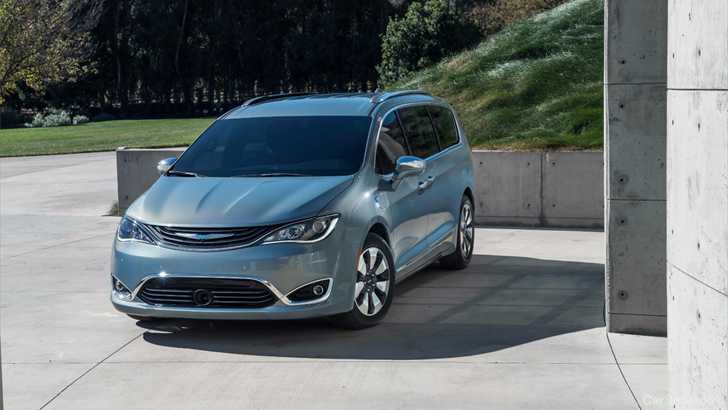
Up to 100 plug-in hybrid 2017 Chrysler Pacifica vans will be installed with autonomous tech developed by the internet search giant and used as test vehicles in a fleet that’s currently fielded by Google’s own experimental – but cutely designed – autonomous cars as well as more common marques in four American cities so far.


This is the first time that Google has inked a collaborative effort with an established automaker and the first time it will use their self-driving hardware on a people carrier such as with the Pacifica’s 8-passenger capacity.
In more practical terms, what the collaborative effort means is that FCA will design and engineer 100 vehicles built specifically to house Google’s autonomous driving sensors and computing power, cars that are derived from Chrysler’s Pacifica MPV. With these cars on the road, driving themselves, it will nearly double Google’s current fleet of test vehicles.
Also, to accelerate the whole process, both companies have committed to co-locate part of their engineering teams to a research facility near Michigan.
“FCA has a nimble and experienced engineering team and the Chrysler Pacifica Hybrid minivan is well-suited for Google’s self-driving technology,” said John Krafcik, Chief Executive Officer, Google Self-Driving Car Project. “The opportunity to work closely with FCA engineers will accelerate our efforts to develop a fully self-driving car that will make our roads safer and bring everyday destinations within reach for those who cannot drive.”
“Working with Google provides an opportunity for FCA to partner with one of the world’s leading technology companies to accelerate the pace of innovation in the automotive industry,” said Sergio Marchionne, Chief Executive Officer, FCA. “The experience both companies gain will be fundamental to delivering automotive technology solutions that ultimately have far-reaching consumer benefits.”