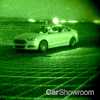
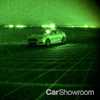
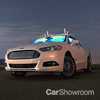
Not content with testing their autonomous vehicles in the bright security of sunlight, Ford's research has led it to create a Fusion that can drive itself without headlamps or even street lamps.
We’re very much used to seeing self-driving cars either operating or being tested in quite comfortable conditions, typically with bright sunny days so that the car will photograph well. It’s good for PR.
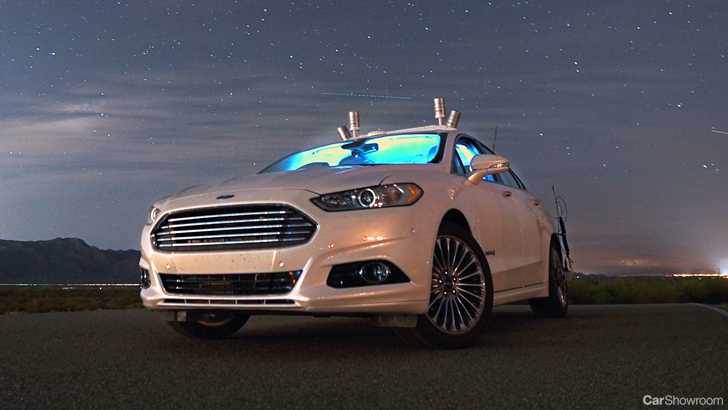
But Ford isn’t relying on any of those tropes for its most recent autonomous driving tech test. This time, Ford is testing their specially outfitted Fusion sedan (a Mondeo by any other name) in the black of night, without a single streetlamp or headlamps for illumination.
Typically, a self-driving car would use a series of cameras to detect its surroundings and adapt accordingly, but because the complete absence of proper illumination, something else had to be used.
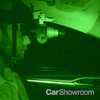
At Ford’s proving ground in Arizona, the personnel involved in the test had to wear night vision equipment to compensate, whereas the Fusion uses a combination of Lidar (Light Detection And Ranging, using laser target illumination) and a database of 3D maps to guide it through the bends.


These maps have to be detailed and information dense, and indeed are, being able to include topography readings and road markings along with sign posts, buildings and even trees.