Still one of the prettiest things on the road.


When the Jaguar E-Type was unveiled to the world at the 1961 Geneva motor show, the word stood still. Enzo Ferrari proclaimed it to be “the most beautiful car ever made,” and everyone generally agreed. To this day, E-Types offer a driving experience like no other, with the growl of a beautiful straight-6 engine egging you on.
However, like all classic British sports cars, the E-Type is beset with mechanical and electrical gremlins that are typical in cars of this vintage. A small motoring company in England, calling themselves Eagle, take original E-Types and restore them extensively, and then modify them to meet the sort of performance and reliability standards we expect today.
While Eagle has enjoyed critical success with its Low Drag Coupe and Speedster models, the fixed-top look of the former and the no-top compromise of the latter meant that a lot of Eagle sports cars were infrequently used. The Spyder GT addresses that, offering a light convertible top that can be raised and lowered manually depending on the weather.
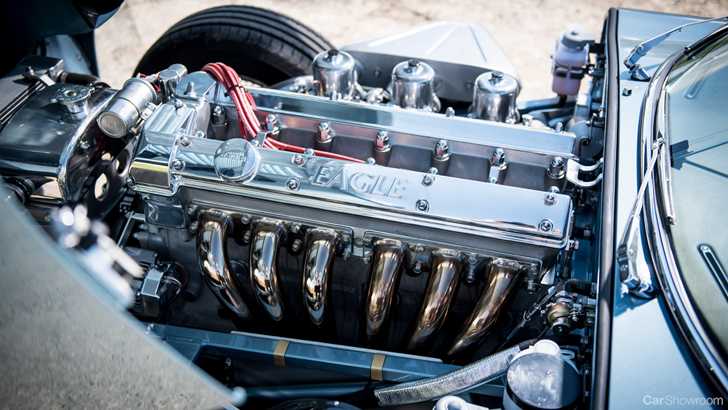
The Spyder GT starts out life as a normal E-Type, that then gets upgraded and restored where needed before being fitted with a lightweight five-speed gearbox. The engine under the bonnet is the choice of the owner, with the original 3.8-litre and 4.2-litre straight six engines featured, but more prefer the 4.7-litre engine that Eagle can supply, which is a fettled variation of the bigger original unit.
The Spyder GT “combines the style and dynamics of the celebrated Eagle Speedster with the high-performance touring capability of the Low Drag GT.” It also pairs the “poise & performance” of the Low Drag GT and the “exquisite styling” of the Speedster. They’re not wrong, because this car looks stunning. There are six Spyder GTs geared for production, and “each of the very few produced will have an entirely bespoke specification, dependent of the specific desires of each client.”


The very first Spyder GT went home with its lucky owner today, some 250 after it was first committed to production. We’re guessing that the drive home was a glorious one, indeed. And after having put down £834,000 (or just under $1.4-million), it had better be.


