On the trial of diesel, CEO of Jaguar Land Rover (JLR) Ralf Speth sides on its defence, arguing that modern oil burners are far from deserving of the negative treatment it has received, especially in the last year and a half or so.
Diesel play a big role in JLR’s new Ingenium range of engines as the Tata-owned UK automotive group believes its benefits outweigh the deficiencies, the most pressing of which are quickly being remedied through modern internal combustion technology.
Furthermore, the continued demonisation of diesel and the engines that they power only stifles the market adoption and resulting innovation that is needed for it to meet ever stricter emissions regulations going forward.
“The latest diesel technology is really such a step in emissions, performance, particulates; it’s better for the environment when compared to [an equivalent] petrol. Diesel has to – needs to – have a future,” said Speth in an interview with Autocar.
He continued by highlighting the need to distinguish between older diesel-powered cars and newer ones, with the latter being in order of magnitudes less polluting with the former being the culprit in its declining reputation, “Anyone can see the black smoke coming out of old diesels is bad. We need to replace them with newer ones.”
Worldwide public and institutional opinion on diesel engines and the pollution they emit versus their petrol counterparts have fell off a cliff following the Dieselgate scandal that broke in September 2015, one that enveloped Volkswagen and their subsidiaries and still has day-to-day ramifications for them many months later.
While the VW Group continues to mend wounds and distance themselves away from their TDIs while closer and closer to an ambitious push toward electrification, a future that the JLR CEO agrees is inevitable, Speth believes that both cleaner, more efficient petrol and diesel engines play a crucial role in that transition.
“ICE to ACE – internal combustion engine cars to autonomous, connected, electrified ones – will happen in parallel. There’s no switch. You can’t say diesel will go in 2020. We need to develop both, internal combustion diesel and petrol engines, in addition to battery electric vehicles.”
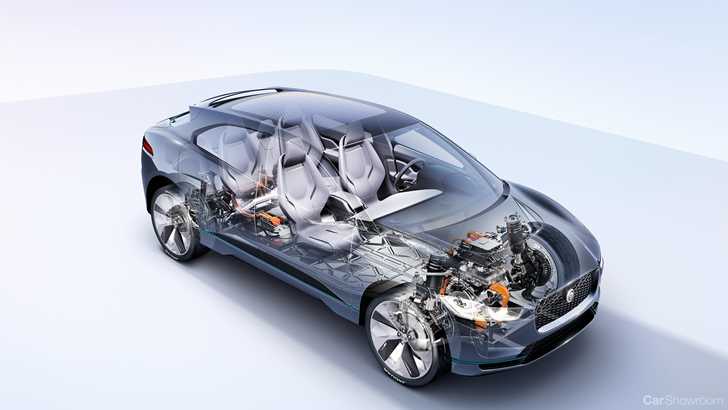
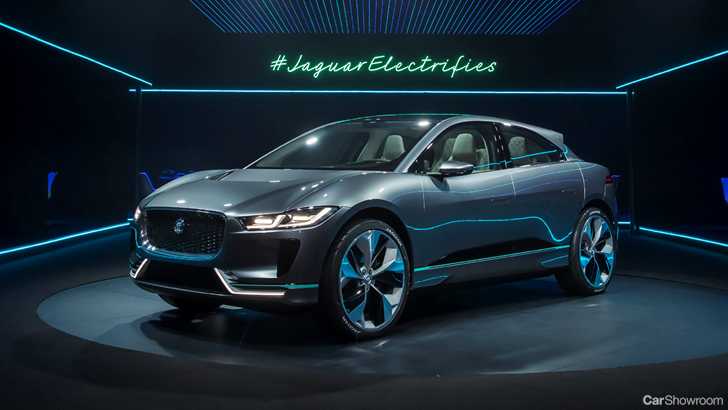
Jaguar is planning to introduce its first fully electric vehicle, the I-PACE, somewhere in the next year, and surely envisions fully electric versions of their current cars filling streets in the UK and beyond. The JLR boss, though, remains unimpressed by scarcity of experienced supply chain locally and slow pace of battery technology, calling for a more unified approach.
“The UK needs a manufacturer. It has missed an opportunity to be ahead in modern mobility. We have the best universities, we know the future is battery electric vehicles, why not use their skills? We’d buy batteries from here tomorrow.”
For more on Jaguar and Land Rover vehicles, including pricing and specifications, check out our Showroom.