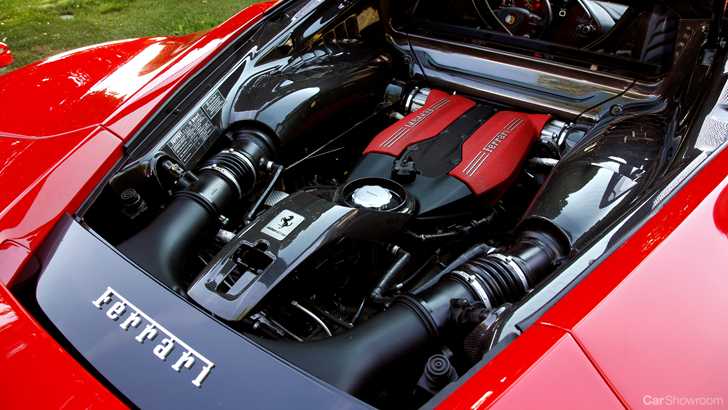
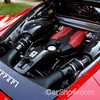
Ferrari’s 3.9-litre bi-turbo V8, the same one that powers their 488 GTB before trickling to their California T and GTC4Lusso T, has taken the overall top spot as at 2017’s International Engine of Year Awards held in London by Engine Technology International Magazine.
It’s an accolade that surely Maranello is proud of, especially as their engines usually only get as far as being in the running (usually winning) for the Best Performance Engine, something it also won this year. Meanwhile, the Porsche4.0-litre flat-six (GT3 RS, 911 R) took the silver medal, ahead of the Mercedes-AMG 4.0-litre bi-turbo V8 (AMG GT) in 3rd.


There are 13 categories in total with the newest slot being Best Electric Powertrain (of the year), in which the ‘Tesla Electric Powertrain’ took a welcome but slightly unsurprising win in two categories, the other being Best Green Engine.
Wait, shouldn’t ‘green engines’ only be limited to hybrids or those running natural gas or bio-ethanol? After all, they’re actually engines, not (just) electric motors.
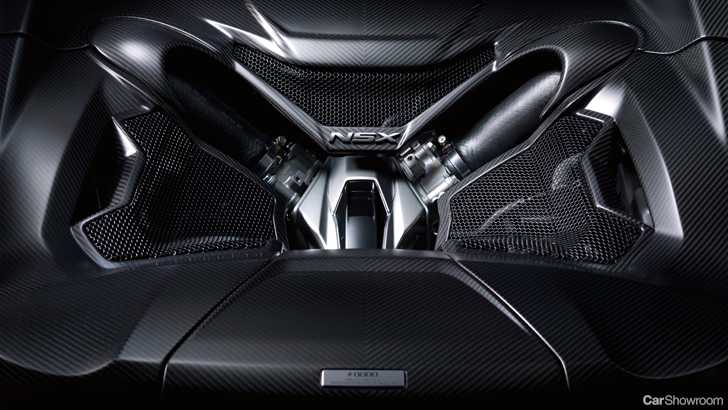
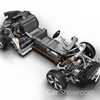
A cinderella win for this year’s list of finalists was Honda with their 3.5-litre twin-turbo V6 hybrid that they slotted into the midsection of their new NSX, and we’re glad Alfa Romeo also had their slice of the spotlight with the Giulia Quadrifoglio’s 2.9-litre bi-turbo V6 in this year’s Best Performance Engine (5th) and the Best New Engine (3rd) category.
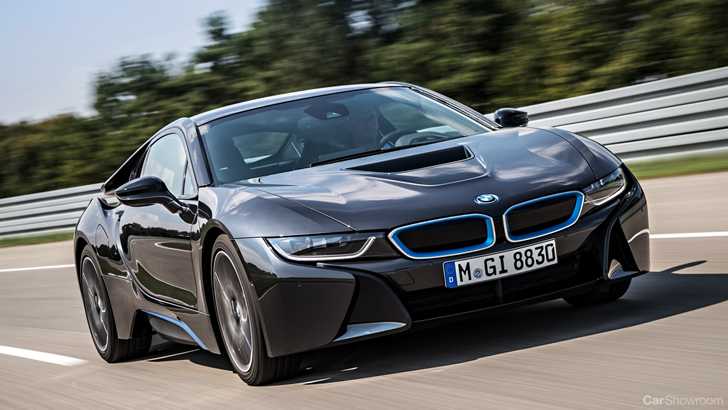
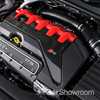
The interesting thing is that the Ferrari F154 engine also won the overall spot at last year’s awards, while other categories also have long-recurring winners such as Audi’s 2.5-litre turbo five-pot winning the ‘2-Litre to 2.5-Litre’ category (2010 to 2017 so far), Ford’s 999cc EcoBoost 3-cylinder winning the ‘Sub 1-Litre’ category (2012 to 2017 so far), and the BMW i8’s 1.5-litre petrol hybrid along with the PSA 1.2-litre three-cylinder both dominant for 3 years in a row now.
This is in contrast to most Car of the Year awards, which select a winner based on a car that was only introduced in that specific year, meaning no repeats can occur. The upside is that the winners stay fresh and interesting while the downside is that the pool of entrants is much smaller and often not representative of the best in context to the entire automotive industry.


Our opinion is that the Engine of the Year Awards have the better format than some (most?) Car of the Year Awards as they can quickly inform the consumer macrocosmically and incentivise manufacturers to try their hardest to innovate in order to topple a winner, especially if they’re a dominantly recurring one.