What’s wrong with the traditional motorcar?
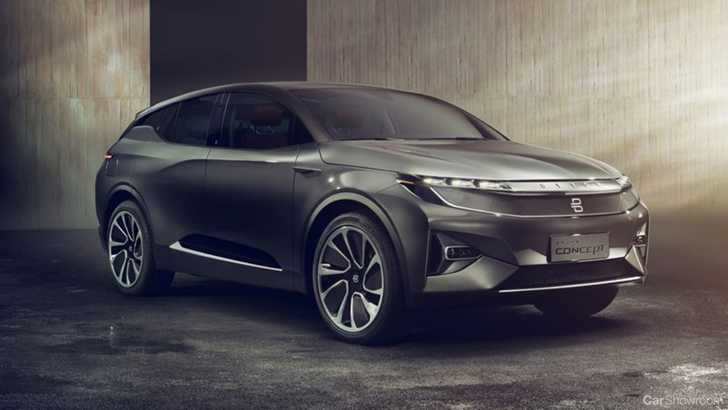
Another day, another EV carmaker. This week’s debutante is called ‘Byton,’ and is born from outgoing staff from BMW’s ‘i’ division as well as staff from the mysterious/infuriating EV company Faraday Future. Byton has taken to the Consumer Electronics Show (CES) in Las Vegas, Nevada to show off its new concept car, which they say will hit the streets in 2019.
So, the headlines. First, it’s an electric vehicle (because a new internal combustion car would be so faux pas). Second, it’s funded by China. And third, it seems to have already forgotten that it is, primarily, a car.
It wasn’t all that long ago that cars were touted to the world for what they were, a box on four wheels, powered by a thing that goes bang (usually up front, but not always), allowing you to cover more miles than you would on a bicycle. It was acceptable, though not really required, to talk about how quickly it would go, and it was almost demanded that it looked pretty. That was really all was needed for a motorcar to do well. The prettier it was, the faster it went, the quicker they’d sell.
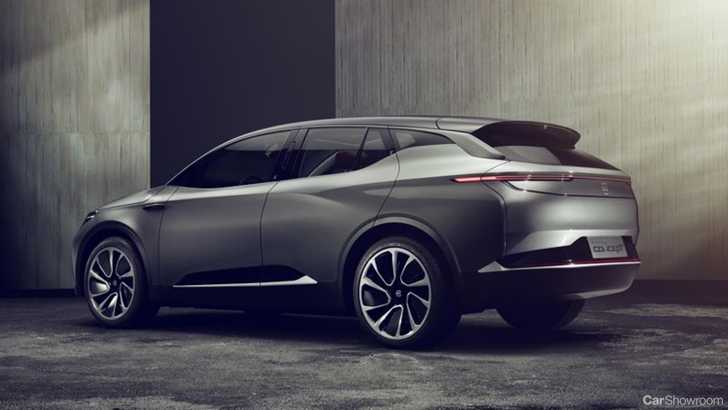
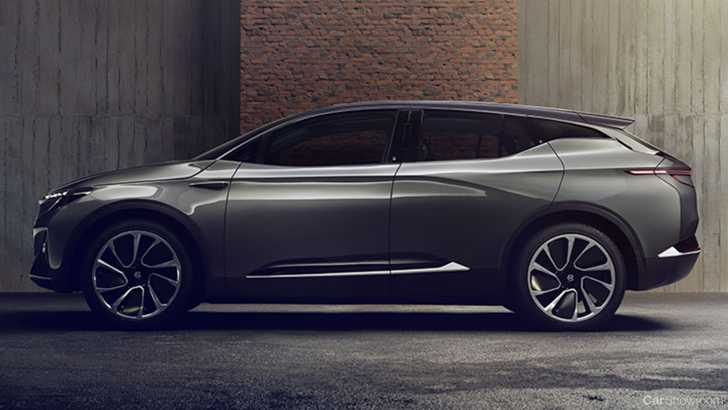
However, Byton has hit the ground and already failed, somewhat, to garner any applause for its aesthetics. The exterior of the Byton concept looks like something someone would sketch as an example of a crossover-type vehicle, rather than a retina-searing concept car that gets everyone at the edge of their seat. It’s rather dull and drab, and The Verge went as far as to compare the camouflaged version to the Mutt Cutts van from Dumb & Dumber.
The company continues to buck the trend insofar as performance laurels go, too. Most new EV companies will fall over themselves to tell how how quickly their cars can hit 100km/h from rest, but Byton hasn’t bothered. It’s more concerned with telling you that it’ll do 400km on a single charge, and packs about 200kW from a single rear-mounted motor. A dual-motor version will come along in time with 523km of range and 355kW of grunt, but that’s a matter for later.
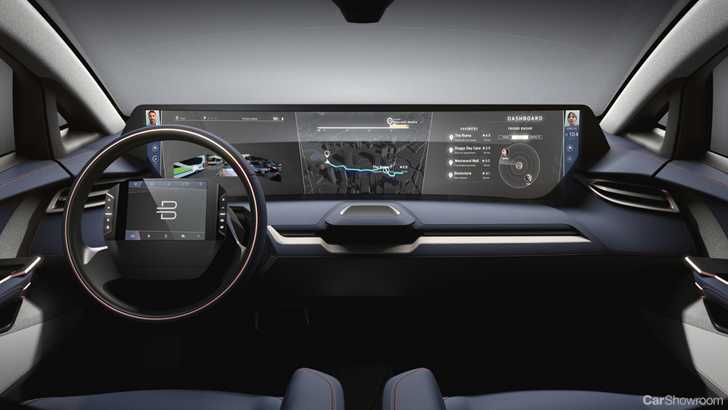
The one truly attention-grabbing part of the Byton concept is its infotainment/instrument display. You know how the Tesla Model 3 puts its related driver instrumentation on the central screen? Byton’s sort of done that too, except it’s stretched the screen across the entire width of the car. We’re not kidding.
The enormous infotainment screen can be controlled by touch, gesture, and voice control, and will offer an enormous range of connectivity and intelligent features. And as if the screen wasn’t enough, there’s even a tablet that mounts into the centre of the steering wheel, which will offer further functionality (though what exactly remains unclear). Rather than bamboozle customers with the million and one features that the Byton will have, the company says that it will be “initially be as lightly-loaded as possible, allowing users to become accustomed to it, and comfortable.” Byton’s customers will then be tapped for input on the operating interface, and that feedback will then shape the interface experience.
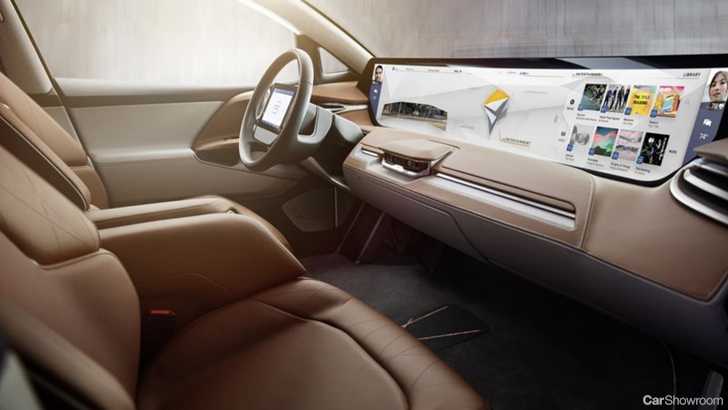
Right. But where it starts to go wrong is when the company talks about ‘Byton Life,’ a “smart & open digital cloud platform that seamlessly connects all your applications, data, and devices.” Okay, but we think Bluetooth connectivity would be enough, at this point. Even more annoyingly, there’s a component in Byton Life that monitors your health, using your wearable health devices (like FitBits and MiBands), as well as iHealth devices “integrated in side pods” that will monitor your “heart rate, weight, oxygen saturation or blood pressure, and give you meaningful advice.”
Further blurring the line between car and personal-physician is the Byton ID system, which will carry all of the driver information (which may include frequency of naps and quality of bowel movements), allowing you to move from one Byton to another seamlessly, so you’re never rid of that creepy sensation that your car is watching you.
Weirdly for an electric car of tomorrow, the Byton doesn’t even bother telling you that you can relinquish control of the vehicle and let it drive itself. The Byton concept will arrive in production form with only Level 3 autonomy (which is basically intelligent cruise control and lane-keep assist working together, but only as long as you’re paying attention). This level of driver involvement means that you will likely not use the swivelling front seats or any of the screens for non-driving purposes anytime soon, which then begs the question, why are they there?
Normally we’d shrug off Byton and its ambitions, because it seems that there’s a new electric vehicle company coming out of China whenever we’re not looking. Byton does at least have talent aboard, with its CEO being an BMW alumnus, and the former supply chain manager for Faraday Future having recently joined the crew. In fact, a bunch of ‘Faradaians’ are now on the Byton bandwagon, which will follow the mould of other Chinese-funded US-based EV companies, with management & design facilities in Silicon Valley and production based in China. Whether or not it’ll make it to market remains a huge question, and whether it’ll do so for the US$45,000 base price it claims ($57k thereabouts) remains to be seen.
Stay tuned to CarShowroom for more updates as they come.