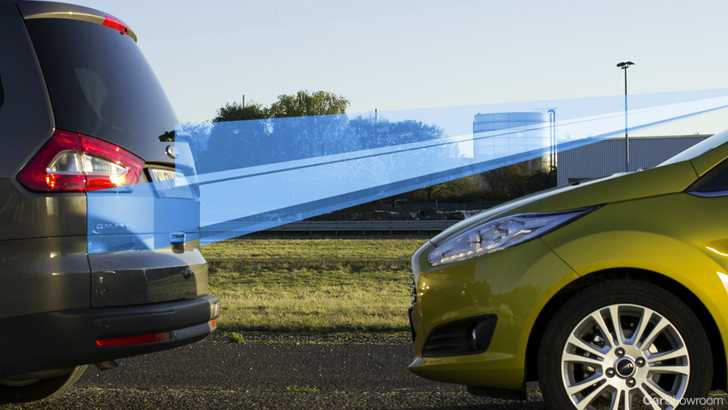
It was only a matter of time until a country institutionalised (give or take) a safety feature such as Automatic Emergency Braking (AEB) that has been appearing in many cars over the past couple of years – usually as an option - especially one that has as much practical and theoretical proof to it having an impact on road safety and a reduction injury/mortality.
Its something that your car may already have built-in, but unlike Airbags (another feature that was made a industry standard) Automatic Emergency Braking has been marketed under different and often confusing names depending on the manufacturer: Mazda Smart City Brake, Ford Active City Stop, or Merdeces’ PRE-SAFE system.
This feature’s stadardisation is taking form in the United States, with the National Highway Traffic Safety Administration (NHTSA) and Insurance Institute for Highway Safety (IIHS) having announced that they have the backing of 20 automakers, all of them committed to making AEB a standard on all of their new cars by September 2022.
These manufacturers include: Audi, BMW, Chrysler, Fiat, Ford, General Motors, Hyundai, Honda, Jaguar, Land-Rover, Kia, Mercedes-Benz, Maserati, Mazda, Mitsubishi, Nissan, Porsche, Subaru, Tesla, Toyota, Volkswagen, and Volvo.
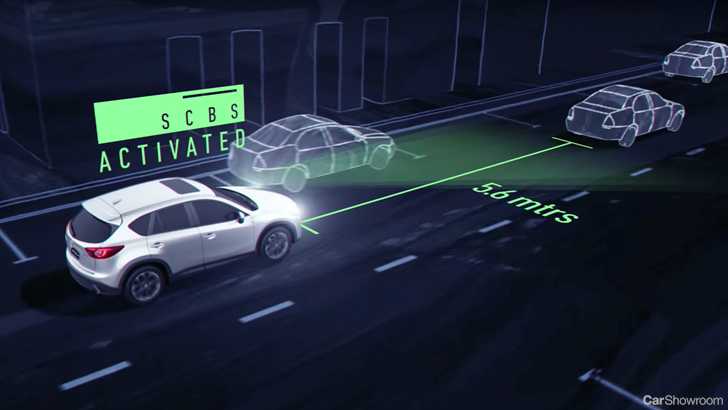
In case you need a recap, what Automatic Emergency Braking does is stop the car abruptly when the car (with an array of visual, proximity, radar, laser sensors that constantly monitor the car’s surroundings) detects an impending collision – either with another car or pedestrian. Prior to applying the brakes itself, the car will first warn the driver and if he or she fails to react in time, will step in to stop the car.
The mutual understanding between these 20 manufacturers will fasttrack the implementation of AEB, which the NHTSA say will deliver the feature to the majority of cars on American roads approximately 3 years quicker than if left to individual regulatory processes. In that span, they estimate that up to 28,000 crashes and 12,000 road-related injuries.


