With both industries always striving for fewer human injuries or casualties during transit, the automotive and aviation overlap could yield significant collaborative breakthroughs.
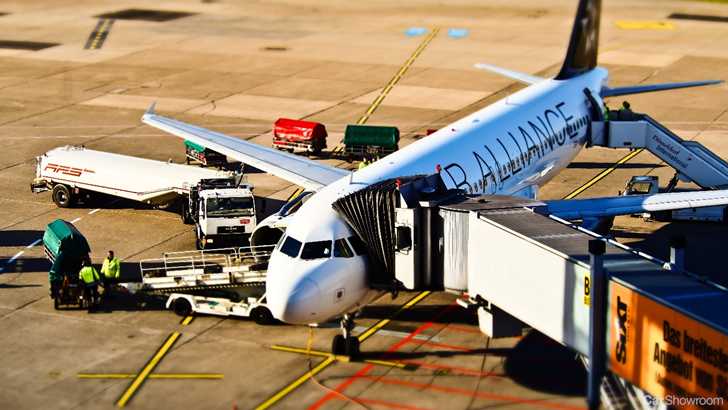
Safety is a universally important consideration for both the automotive and aviation industries, so naturally there should be some overlap between the two that has the potential (given the right collaborative spirit) to spawn some truly revolutionary innovations.
According to a recent report by Automotive News, that’s exactly what a meeting between the two major American regulatory bodies, the NHTSA (National Highway Transportation Safety Administration) and the FAA (Federal Aviation Administration), is hoping to flesh out.
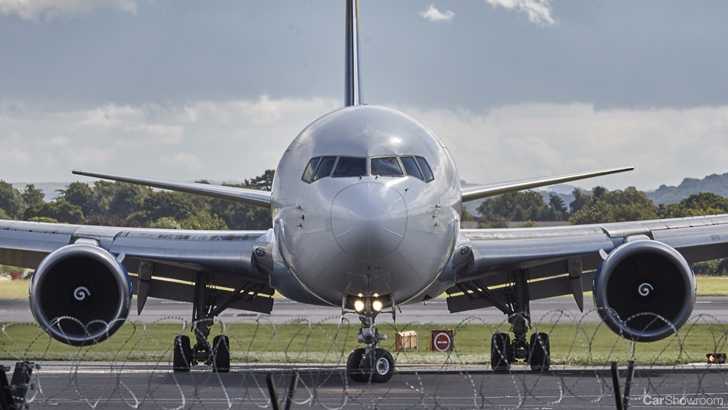
In the United States, administrators for both these organisations are responsible for the bulk of safety regulation that govern the country’s air and ground travel, and has a significant trickle-down effect on the rest of the world.
Mark Rosalind, NHTSA administrator, says the goal is of this meeting is to share best practices from both industries and develop new ideas to improve safety across the board, preferably ones that would be easy to implement without requiring major infrastructure or technological changes, at least in the short term.
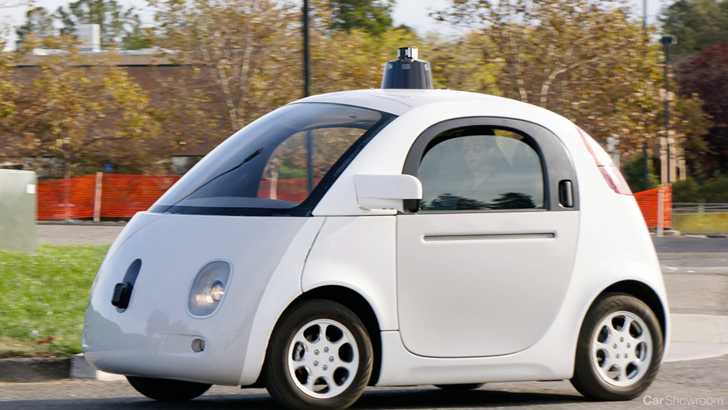
Data exchange between the aviation industry and the government in order to gain more specific insights are a key area where the automotive industry could look to emulate.
It will be a closed-door event, but it's be safe to assume that a talking point are data recorder technology such as the ones used to pinpoint specific flaws after a plane crash and how they could somehow be adapted for use in passenger cars.
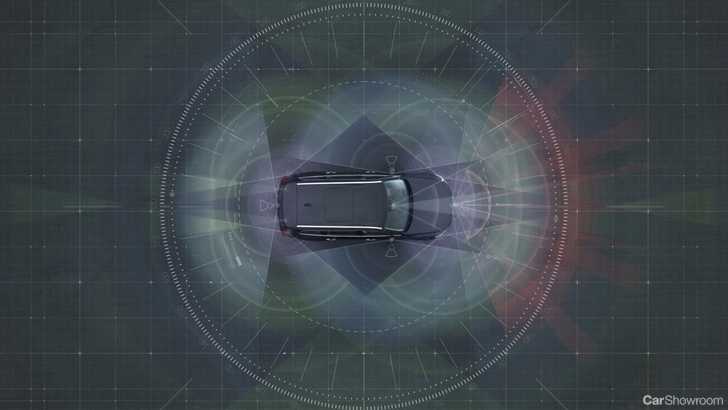
Then again, there are very specific concerns surrounding privacy between a single-destination flight and a person’s private automobile. And where the entire life of a commercial airliner is constantly and rigidly monitored and regulated, a car’s life can vary wildly.
It’s certainly a step in the right direction. After all, safety of passengers is a paramount concern in both cars and planes, often with injuries that are similar when something does go wrong.
Legislation has forced airlines and aviation companies like Boeing and Airbus to work very closely together to meet ever stricter standards. Standards that are driven by the growing body of data collected and analysed by data recorders in the planes themselves (such as black boxes) as well as by satellites, terrestrial radar operated by individual nations, and air traffic control regulators.
There is yet to be a similar system keeping track of vehicles on the roads, particularly privates ones. But with cars continuing to be pushed towards being autonomously operatable and with the advent of ride sharing services like Uber, perhaps cars can learn a thing or two from aviation.


